

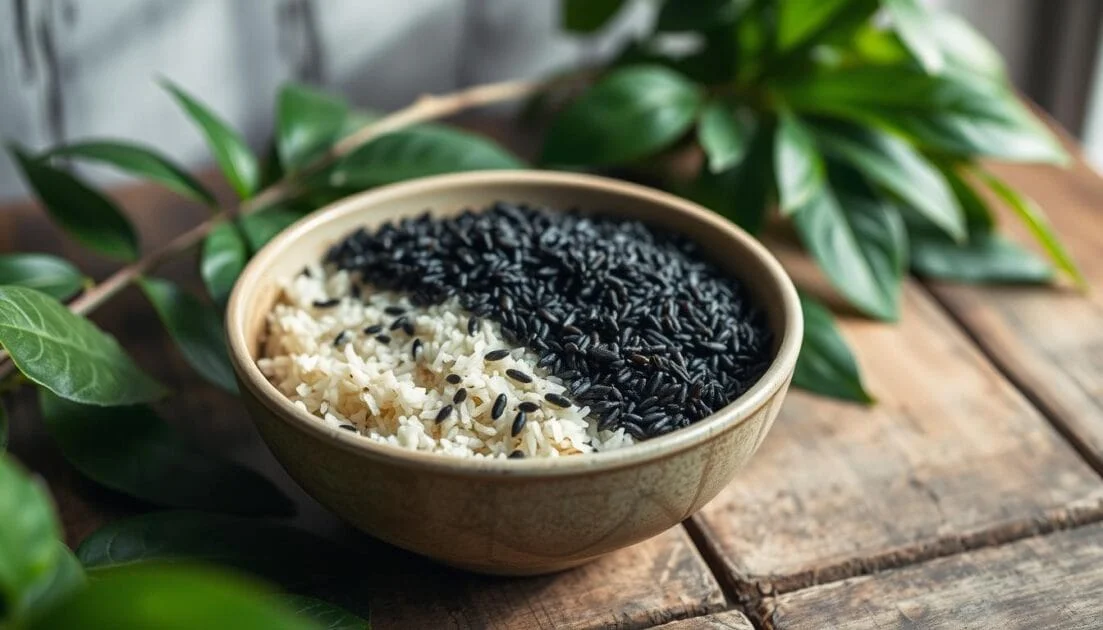

Kalanamak rice, also known as ‘black aromatic rice’ or ‘Buddha rice,’ is a prized variety grown in Uttar Pradesh’s Siddharthnagar district. Cultivated since around 600 BC, this rice has historical significance, with grains discovered in ancient Kapilvastu, the birthplace of Buddha, and Aligarhwa near the Nepal border. Revered for its aroma, flavour, and health benefits, Kalanamak rice is considered one of India’s oldest and most nutritious rice varieties.
Nutritional Benefits
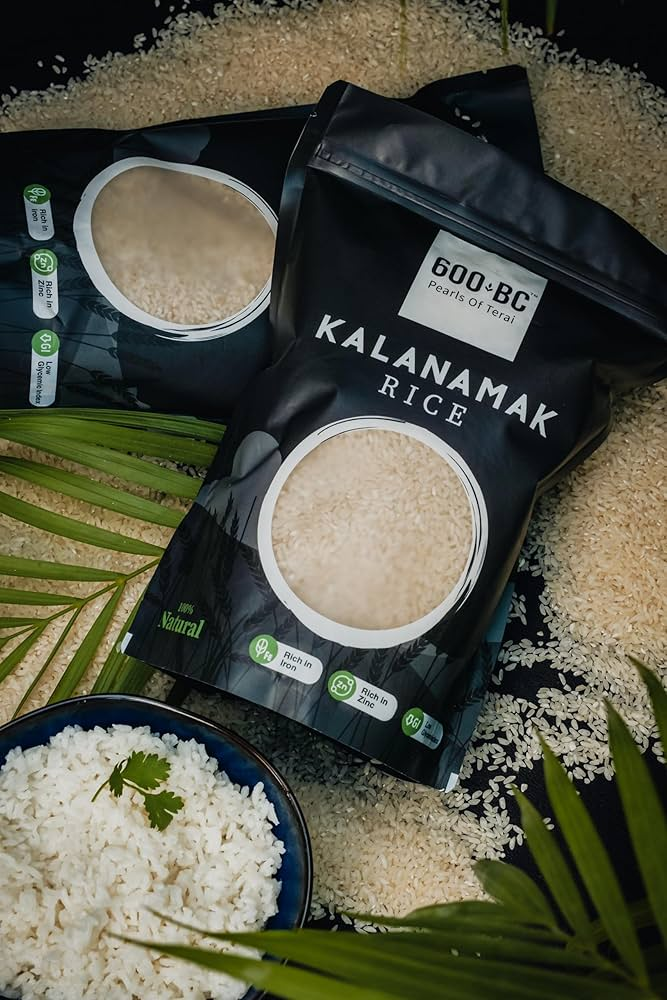
Nutritionist Dr Meghana Pasi highlights that Kalanamak rice is rich in iron, zinc, protein, and antioxidants like anthocyanins, which can support heart health and improve skin. Vitamin B content aids metabolism and brain function, while minerals such as potassium help regulate blood pressure and boost immunity. Its lower glycemic index of 49–52 makes it particularly suitable for diabetics.
Digestive Health
The rice is high in fibre, promoting gut health and supporting regular bowel movements. Its fibre content also helps with weight management by keeping you full for longer. Unlike other carb-heavy foods, Kalanamak rice is gentle on digestion, making it an easy addition to a balanced diet.
Taste and Aroma
Kalanamak rice is famed for its nutty, earthy aroma and fluffy texture when cooked. Its distinctive flavour enhances a variety of dishes, pairing well with vegetables, lentils, and meats, turning everyday meals into a culinary delight.
Organic and Sustainable
Most Kalanamak rice is grown organically, without chemical fertilisers or pesticides, making it a healthy and eco-friendly choice. Supporting this rice helps promote sustainable farming while preserving its nutritional value.
With its unique history, rich flavour, and exceptional nutritional profile, Kalanamak rice is truly a superfood that combines taste, health, and heritage.