

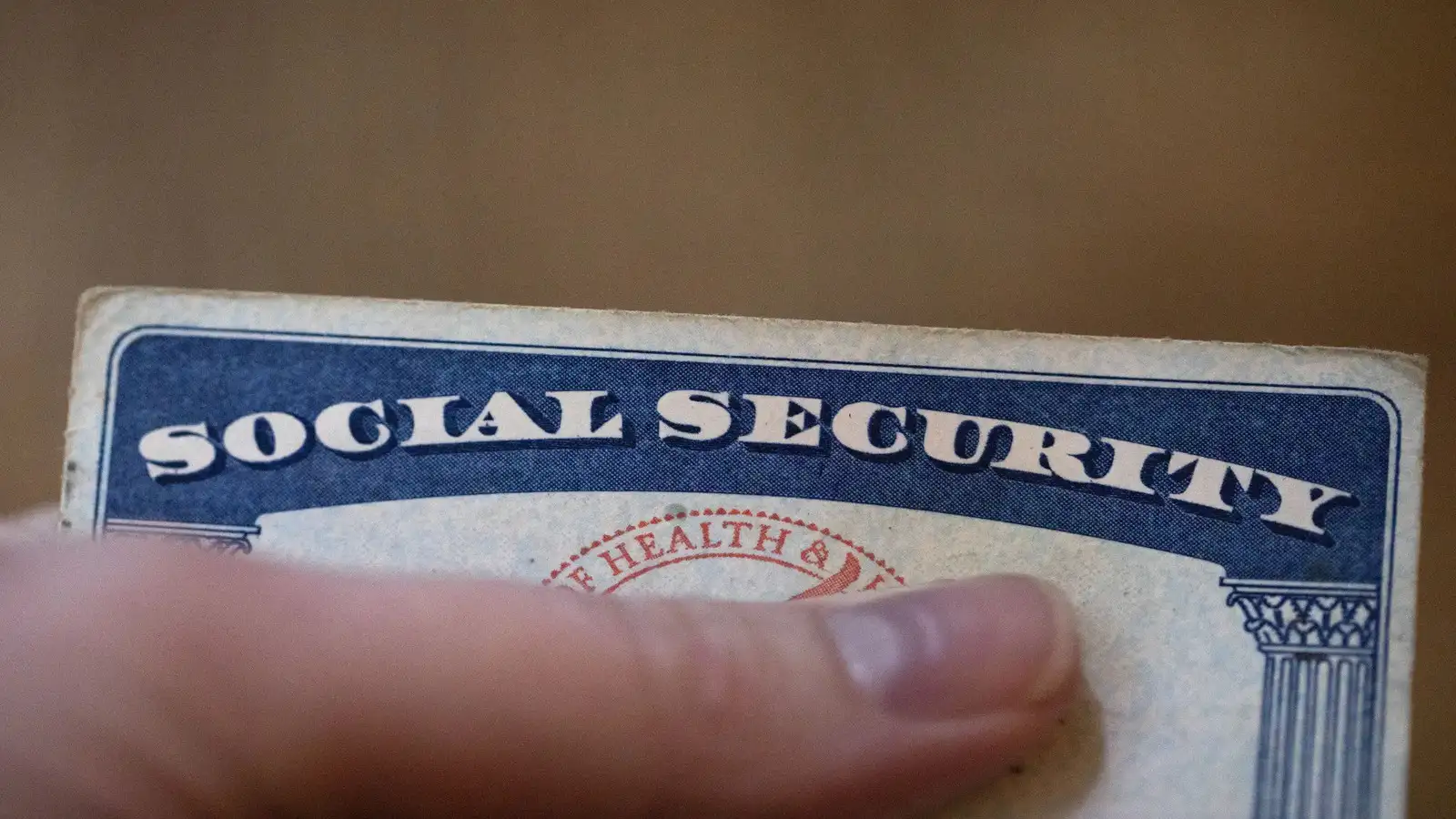

Starting July 24, 2025, millions of Americans who have received Social Security overpayments will see a sharp reduction in their monthly benefits, following a policy change announced by the Social Security Administration (SSA) in April 2025.
Under the revised policy, the SSA will withhold 50% of benefit payments from affected recipients—a fivefold increase from the previous 10% withholding rate used in 2023.
🔍 Why Is This Happening?
According to Newsweek, this decision affects nearly two million recipients who were overpaid, largely due to:
- Beneficiaries failing to report income changes.
- Calculation errors on the SSA’s part.
Between fiscal years 2015 and 2022, about $72 billion in improper payments were made, although this represents less than 1% of all benefits issued in that period.
Initially, the SSA proposed a 100% withholding policy until full repayment was made. However, after facing public backlash, it scaled back the plan to the current 50% rate.
📅 Who Will Be Affected in July 2025?
- Those who received overpayment notices on or after April 25, 2025, will have their benefits reduced starting July 24, 2025.
- The SSA has maintained a 90-day notice period before deductions begin.
- Regular payments for non-affected beneficiaries will continue as scheduled:
- 2nd Wednesday for birthdays on the 1st–10th.
- 3rd Wednesday for birthdays on the 11th–20th.
- 4th Wednesday for birthdays on the 21st–31st.
💬 Impact on Households
A 50% deduction can be devastating, especially for households where Social Security is the main or only income source. Advocates have warned that such a steep reduction could increase financial hardship for vulnerable populations, including seniors and people with disabilities.
📊 Fast Facts:
- Total SSA recipients: ~73.9 million as of April 2025 (Pew Research Center).
- Withholding rate: Raised from 10% to 50%.
- Affected group: ~2 million people with prior overpayment notices.
This policy shift underscores the SSA’s renewed effort to tighten benefit accountability but has also sparked debate about its fairness and human impact, especially for low-income seniors and disabled Americans who may struggle to recover from such deductions.