

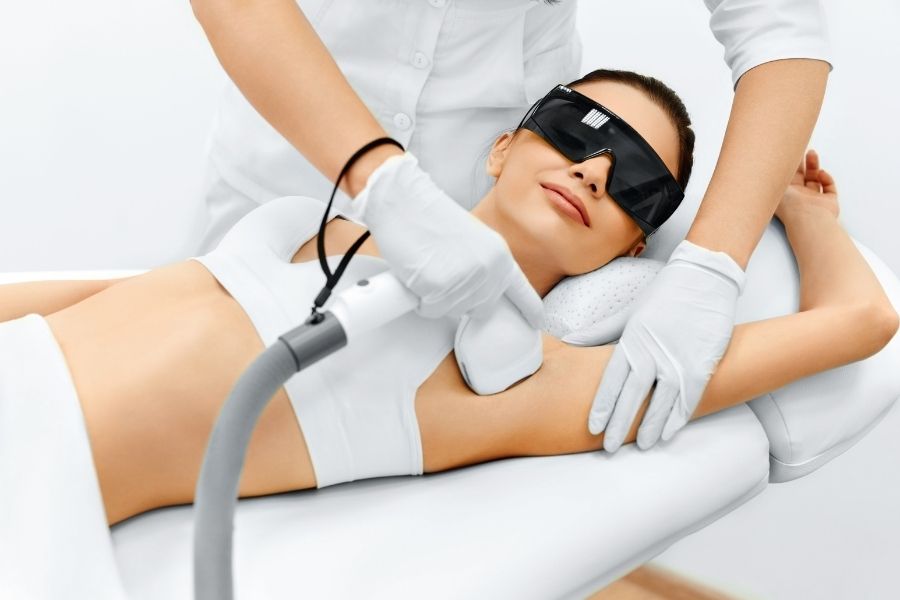

With more people turning to laser facial hair removal as a permanent alternative to threading, waxing, and shaving, the cosmetic treatment has become one of the most sought-after procedures today. Laser therapy works by directing concentrated light onto hair follicles to reduce regrowth over time.
However, experts caution that while it can offer smooth, hair-free skin, it’s not without potential risks. Some individuals experience temporary redness, swelling, or irritation, and in rare cases, pigmentation issues, especially on sensitive or recently tanned skin.
🩺 Dermatologist Gurveen Waraich’s Advice
In a recent Instagram video, Dr. Gurveen Waraich, a well-known dermatologist, shared valuable insights and precautions for anyone considering laser facial hair removal.
She explained that many people don’t actually need full-face laser treatments and may even experience unwanted side effects if they’re not the right candidates.
“The treatment to which I say this most often is face hair laser hair removal,” Dr. Waraich said.
“What we have learned over a decade of experience is that most people do not actually need it — and often it leads to side effects like acne and paradoxical hair growth.”
Paradoxical hair growth is a lesser-known condition where fine hair becomes thicker or denser in untreated nearby areas after laser sessions — often due to incorrect targeting or outdated technology.
⚠️ Things To Remember Before Your Laser Hair Removal Session
Dr. Waraich shared key dos and don’ts to help patients get the safest and most effective results from laser facial hair reduction (LHR).
✅ 1. Target Only Coarse Hair
Only treat areas with thick, coarse hair such as the chin or sideburns. Avoid full-face treatments if your hair growth is limited to smaller regions.
✅ 2. Mark the Treatment Area Properly
During your session, ensure the technician accurately marks the treatment zones and covers other parts of the face to avoid paradoxical hair growth.
✅ 3. Choose the Right Technology and Experts
Always opt for clinics that use the latest laser technology and have trained dermatologists or certified technicians performing the treatment.
✅ 4. Address Underlying Health Conditions
For those with Polycystic Ovary Disorder (PCOD), it’s important to follow lifestyle modifications as hormonal imbalances can affect laser treatment outcomes.
✅ 5. Follow the Ideal Treatment Cycle
Dr. Waraich recommends an average of 8–10 sittings spaced 4–6 weeks apart for optimal results.
✅ 6. Expect Individual Maintenance
The need for maintenance sessions varies from person to person, depending on skin type, hair density, and hormonal balance.
💬 The Takeaway
Laser facial hair removal can be life-changing when done correctly — but it’s not a one-size-fits-all solution. Consulting a certified dermatologist before starting is essential to minimize risks and maximize results.
As Dr. Waraich concludes, “With the right precautions, laser treatment can be safe and effective, but understanding your skin and hair type is the key.”
Disclaimer:
This article provides general information and should not replace professional medical advice. Always consult a qualified dermatologist before undergoing any cosmetic or laser procedures.