


NEW DELHI — Congress MP Sonia Gandhi has once again raised a strong objection to the Centre’s ambitious Great Nicobar Project, describing it as a “planned misadventure” that endangers a fragile ecosystem and the ancestral rights of indigenous tribes. In a column published in The Hindu on Monday, Gandhi expressed her concern that the project makes a “mockery of legal and deliberative processes” and threatens to permanently displace communities like the Nicobarese.
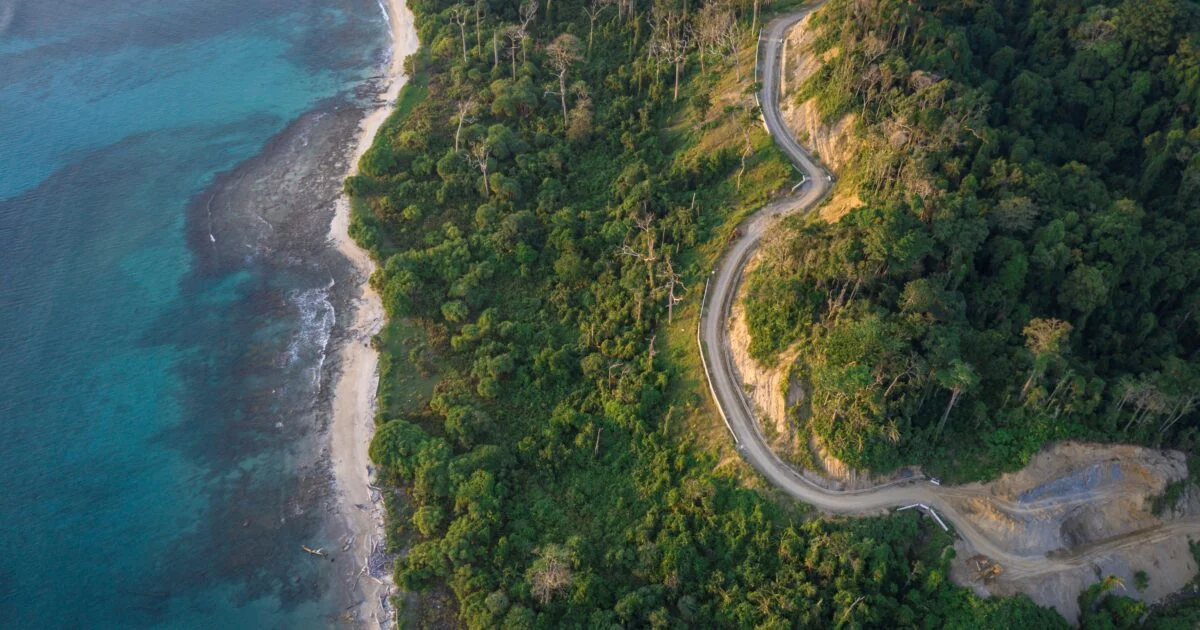
Gandhi’s criticism focuses on both the ecological and human costs of the multi-billion-dollar project. She highlighted what she called a “staggering scale of deforestation,” noting that official estimates suggest the loss of at least 850,000 trees, while independent estimates place the number as high as 5.8 million. She also dismissed the government’s compensatory afforestation plan as “grossly inadequate,” arguing that it cannot replace the complex ecological value of a natural rainforest.
“The collective conscience cannot and must not stay silent when the very survival of the Shompen and Nicobarese tribes is at risk,” Gandhi wrote. She pointed out that the Nicobarese, who were displaced by the 2004 tsunami and had hoped to return to their ancestral villages, are now facing permanent displacement. The Shompen, a Particularly Vulnerable Tribal Group (PVTG), are also at risk of losing their forest-based livelihoods and cultural integrity.
The opposition’s criticism of the project has been consistent. Jairam Ramesh, another Congress MP and former environment minister, has previously called the project a “recipe for ecological and humanitarian disaster.” The criticisms also extend to procedural issues, with opposition leaders alleging that crucial constitutional and statutory safeguards, such as the Forest Rights Act (FRA), have been bypassed. Last week, Congress MP Rahul Gandhi wrote to Tribal Affairs Minister Jual Oram to express concern over alleged violations of the FRA in the clearance process.
The Great Nicobar Project, a flagship initiative of the Narendra Modi government, is a strategic plan led by NITI Aayog to transform Great Nicobar Island into a major maritime and economic hub. The estimated ₹81,000-crore project includes the development of a deep-sea container transshipment terminal at Galathea Bay, a greenfield international airport, a township, and a power plant. The government has consistently defended the project’s importance for national security, arguing that its location near the Malacca Strait will enhance India’s ability to monitor global shipping lanes, counter China’s growing presence in the Indian Ocean, and improve military and naval capabilities.
The project received environmental and forest clearances in 2022, but the process has been mired in controversy. Critics have raised concerns about the impact on endangered species like the Nicobar megapode and leatherback turtles, as well as the potential for geological instability in a region highly susceptible to earthquakes and tsunamis, as evidenced by the 2004 disaster. The ongoing debate highlights a fundamental clash between India’s strategic and economic ambitions and its commitment to environmental conservation and tribal rights.