

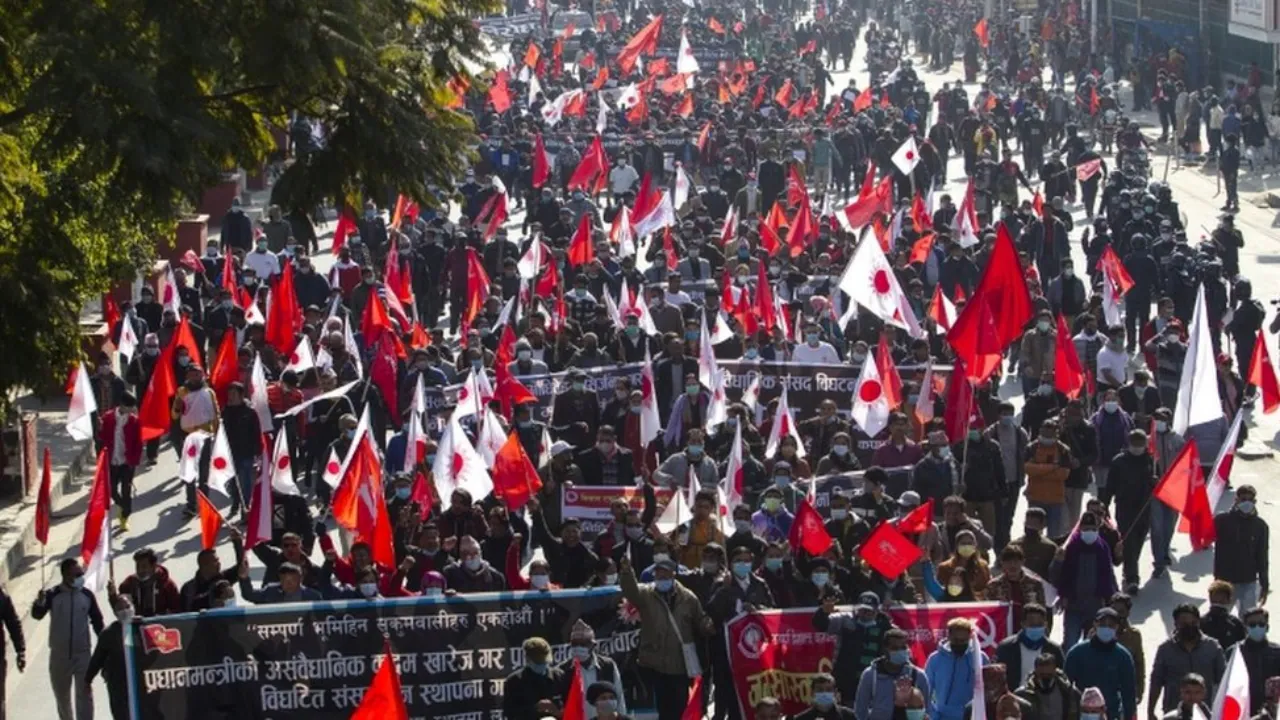

Kathmandu, Nepal — The violent protests that have rocked Nepal’s capital, resulting in a rising death toll, were sparked by the government’s recent decision to block access to a number of major social media platforms. On Monday, thousands of “Gen Z” protestors took to the streets of Kathmandu after popular sites like Facebook, YouTube, and X went dark last week due to their failure to comply with new local registration rules.
The ban, which came into effect on Thursday, September 4, 2025, was initiated by Nepal’s Ministry of Communication and Information Technology. The ministry instructed internet service providers to restrict access to 26 platforms, including Facebook, Instagram, Messenger, YouTube, X, and Snapchat, after they failed to meet a seven-day deadline to register their operations in the country and appoint a local contact person.
The government’s move followed a Supreme Court ruling that upheld the need for platforms to register and be held accountable. While the court did not explicitly order a ban, it directed the government to create the necessary legal framework. Communications and IT Minister Prithvi Subba Gurung defended the decision, stating that the platforms had been given ample time to comply but had ignored repeated requests. He added that services would be restored once the companies complete the registration process.
However, the ban has drawn strong condemnation from various groups, including human rights and press freedom organizations. The Committee to Protect Journalists (CPJ) stated that the decision would hinder the ability of news media to report, thereby limiting democratic access to information. The Federation of Nepali Journalists also described the measure as an undermining of citizens’ rights.
The ban has a significant impact on daily life in Nepal, where over 90% of the population has internet access. Facebook, in particular, is a dominant platform with an 87% market share, followed by X with 6% and YouTube. The platforms are vital not only for social connection but also for businesses, journalists, and migrant workers who rely on them to communicate with families abroad.
The protests, initially peaceful, escalated into violent clashes with security forces, resulting in multiple casualties. In videos that have surfaced online, protestors can be seen clashing with police and storming the Parliament building. This unrest is a culmination of growing frustration among Nepal’s youth, who are using the ban as a rallying point to also protest against what they see as systemic corruption and authoritarianism in the government.
While some platforms, such as TikTok and Viber, remain operational after complying with the registration requirements, the future of the banned sites remains uncertain. The government has a proposed social media bill in debate, which could introduce fines and imprisonment for content deemed “against national interest,” further fueling concerns about freedom of speech and expression.