

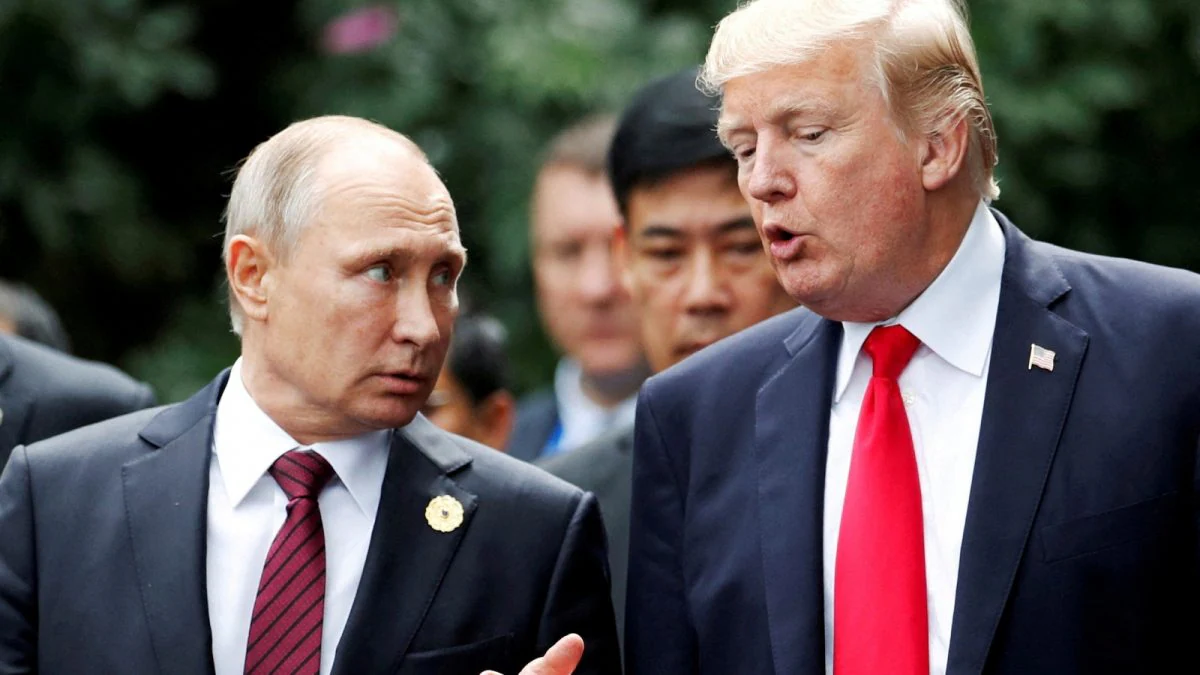

WASHINGTON — The US has given India a strong warning that it could raise its secondary tariffs on Indian goods even further if negotiations between President Trump and Russian President Putin don’t go well. On August 15, the two leaders will meet in Alaska to try to resolve the war in Ukraine.
Scott Bessent, the U.S. Treasury Secretary, told Bloomberg TV, “We’ve put secondary tariffs on Indians who buy Russian oil.” And if things don’t go well, I could see sanctions or secondary tariffs going up. His comments come after the Trump administration decided to levy a 25% duty on Indian exports, making the total tariff 50%. This action, which went into effect on August 7, was a direct response to India’s ongoing purchase of Russian crude oil.
Trump has openly blasted India for buying Russian oil, saying that it “fuels the war machine.” latest Delhi has strongly condemned the latest tariffs, which the US has said are a reaction to concerns about national security and foreign policy. India’s Ministry of External Affairs has branded the action “unfair, unjustified, and unreasonable,” and Prime Minister Narendra Modi has made it clear that India will not give up its national interests.
In a recent phone discussion with Ukrainian President Volodymyr Zelensky, Prime Minister Modi said again that India wants a peaceful end to the war and is willing to help with peace efforts. India, on the other hand, says that its energy imports are dependent on market forces and are necessary for the energy security of its 1.4 billion people.
Bessent also said that European countries should join the US in imposing tighter sanctions on Russia. This suggests that Europe’s involvement is important for giving the US more power in the peace talks. Reports say that the Trump administration wants to work together with other countries to stop Russia’s actions in Ukraine. The pressure on India is seen as part of this larger plan to cut off Moscow.
The world is keeping a careful eye on the summit between Trump and Putin in Alaska that is coming up. The results of these discussions will not only decide the future of the war in Ukraine, but they will also have big effects on nations like India that are stuck in the middle of a geopolitical conflict.