

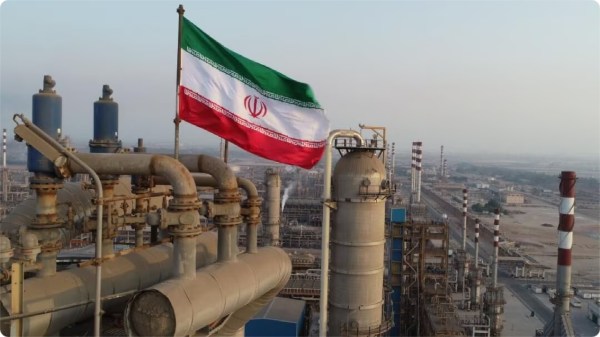

D.C. – At least six Indian companies have been hit with US sanctions because they are accused of doing big business with Iranian oil and petrochemicals, which goes against US sanctions against Iran. The US Department of State announced this action on Wednesday, July 30, 2025. It is part of a larger effort to target 20 groups around the world.
The US says that these Indian companies deliberately took part in “significant transactions” to buy and sell Iranian oil products. The “maximum pressure” campaign against Iran is in charge of the sanctions. Its goal is to cut off Iran’s sources of income that Washington says it uses to finance terrorist groups and “destabilizing activities” in the Middle East.
The Indian companies that were punished and the amounts of their transactions are as follows:
Alchemical Solutions Private Limited: Allegedly brought in Iranian petrochemical goods worth more than USD 84 million between January and December 2024.
Global Industrial Chemicals Limited is accused of buying Iranian petrochemicals, namely methanol, worth more than $51 million between July 2024 and January 2025.
Jupiter Dye Chem Private Limited is said to have brought in Iranian goods valued more than $49 million during the same time period.
Ramniklal S Gosalia and Company is accused of buying more than $22 million worth of Iranian petrochemicals, including methanol and toluene, between January 2024 and January 2025.
According to reports, Persistent Petrochem Private Limited brought in almost $14 million worth of Iranian petrochemicals, mostly methanol, between October and December 2024.
Kanchan Polymers reportedly purchased more than $1.3 million worth of Iranian polyethylene goods between February and July 2024.
These sanctions mean that all of these companies’ assets in the US or owned by US citizens are now frozen. Individuals and businesses in the United States are not allowed to do business with these sanctioned groups. The action also includes any business that is at least 50% controlled by the firms who are being punished.
The Office of Foreign Assets Control (OFAC) at the US Treasury Department is in charge of enforcing these sanctions. Companies that want to challenge their designation can ask to be taken off the Specially Designated Nationals (SDN) list. The US government says that the “ultimate goal of sanctions is not to punish, but to bring about a positive change in behavior.”
India has always traded with Iran, especially in the oil sector. But in 2019, when the US imposed more sanctions, it cut back on its oil imports from Iran by a lot and asked for exceptions to keep some trade going. The US is still focused on imposing its limits on Iran’s energy sector, as seen by this current round of sanctions.
The sanctions also affected companies in Turkey, the UAE, China, and Indonesia, which US officials say are part of a global network that helps Iran trade oil and petrochemicals illegally, often using a “shadow fleet” of ships and middlemen to hide where the goods come from.
This new event makes the trade relationship between the US and India much more complicated. It happened on the same day that President Trump announced increased taxes and fines on Indian goods and a trade pact with Pakistan.