


WASHINGTON / ISLAMABAD — In a major diplomatic breakthrough reported by media, the United States has allegedly shared a comprehensive 15-point peace proposal with Iran to halt the spiraling conflict in West Asia. Delivered through Pakistani intermediaries, the plan represents the most concrete attempt at de-escalation since the war began on February 28, 2026.
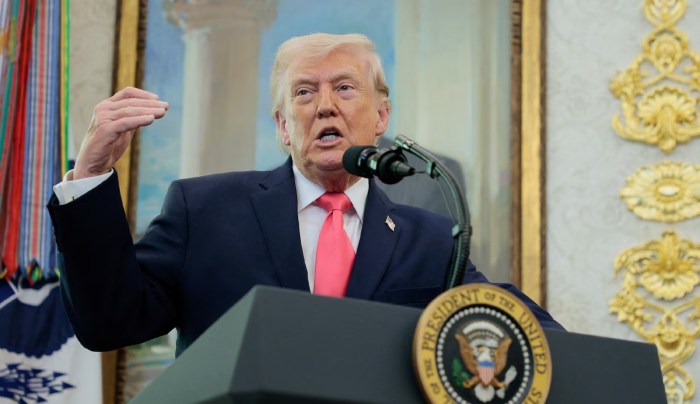
Speaking from the Oval Office, President Donald Trump confirmed that high-level negotiations are active, stating, “We’re in negotiations right now… we’re dealing with the right people.”
1. The 15-Point Framework
While the full text of the document remains classified, reports from AFP and Israel’s Channel 12 suggest the proposal hinges on several “non-negotiable” pillars:
- Nuclear Constraints: Strict new limits on Iran’s nuclear enrichment program and international oversight.
- Maritime Security: The immediate and permanent reopening of the Strait of Hormuz to all international commercial shipping.
- Ceasefire Window: The U.S. is reportedly seeking an initial month-long ceasefire to allow both nations to hammer out the technical details of the deal.
2. Trump’s “Mystery Present” from Tehran
In a characteristic move that has sparked intense speculation in global energy markets, President Trump claimed on Tuesday that Iran has already sent a “very big present” to the U.S.
- The Claim: “They gave us a present and the present arrived today… worth a tremendous amount of money,” Trump told reporters.
- The Context: While vague, the President hinted that the gift is related to oil, gas, and the Strait of Hormuz. Analysts suggest this could refer to a back-channel assurance regarding fuel prices or a temporary easing of the naval blockade.
3. The “A-Team” Negotiators
Trump identified a small, high-powered circle tasked with navigating these sensitive talks:
- VP JD Vance: Leading the diplomatic outreach.
- Marco Rubio: Secretary of State.
- Steve Witkoff: Special Presidential Envoy.
- Jared Kushner: Former Senior Advisor and key liaison for Middle Eastern affairs.
4. Denials from Tehran
Despite Trump’s optimistic tone, the Iranian leadership has publicly distanced itself from the claims. Official state media and figures like Parliament Speaker Mohammad Bagher Qalibaf have dismissed the reports of direct talks as “fake news” and “psychological warfare.” However, regional experts believe the denial is a tactical maneuver while the “15-point plan” is vetted by the Supreme National Security Council in Tehran.
The news has already had a calming effect on global markets, with Brent crude futures retreating from recent highs as traders bet on a diplomatic resolution before the new Friday strike deadline.
Status of US-Iran Diplomacy (March 25, 2026)
| Metric | Details |
| Proposed Plan | 15-Point Comprehensive Peace Framework |
| Intermediary | Pakistan (Channel confirmed by Channel 12) |
| US Lead Negotiators | JD Vance, Jared Kushner, Marco Rubio, Steve Witkoff |
| Key Demand | Reopening of Strait of Hormuz & Nuclear Caps |
| Market Reaction | Oil Prices: Falling; Global Stocks: Stable |