

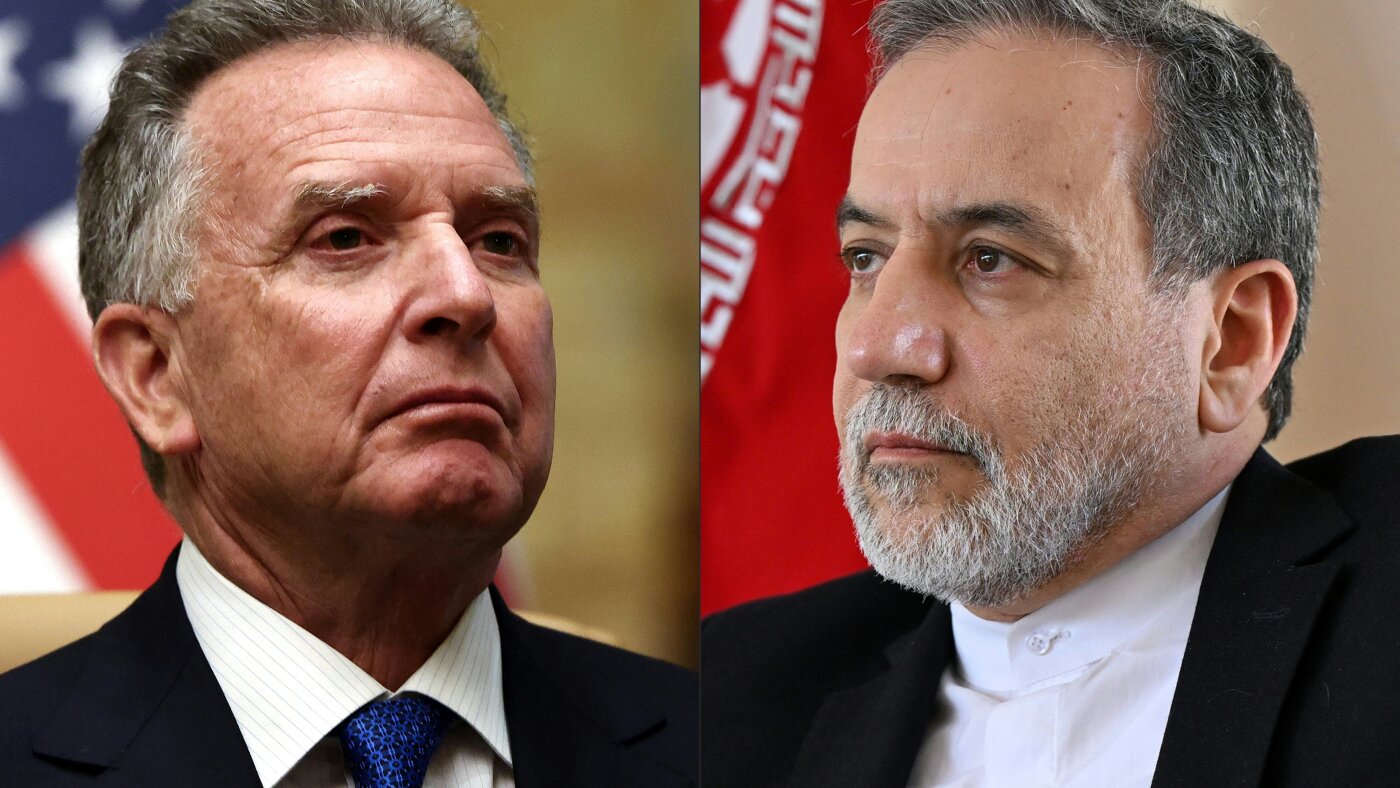

Amid ongoing tensions between Washington and Tehran and fears of possible military escalation, Iran has signalled readiness to make “compromises” to revive a nuclear agreement with the United States. Iranian officials indicated the proposed deal could include economic cooperation benefiting both countries.
Hamid Ghanbari, a senior official in Iran’s foreign ministry handling economic diplomacy, said discussions now cover shared interests in oil and gas fields, mining investments and even aircraft purchases. He argued that any long-lasting agreement must also deliver quick economic returns to the United States, suggesting a broader framework than the 2015 nuclear pact.
Diplomatic activity is set to intensify as a US delegation, including envoys Steve Witkoff and Jared Kushner, is expected to meet Iranian representatives in Geneva, with Oman acting as mediator. Iran’s deputy foreign minister Majid Takht-Ravanchi said Tehran is open to limiting aspects of its nuclear programme, but insisted that Washington must first ease sanctions, adding the “ball is in America’s court.”
While the conciliatory tone hinted at a slight easing of tensions, political pressure on Iran’s leadership increased abroad. Exiled crown prince Reza Pahlavi called for demonstrations worldwide against the government of Supreme Leader Ayatollah Ali Khamenei.
In Munich, around 250,000 people gathered for a large protest rally, chanting slogans calling for regime change and waving pre-1979 Iranian flags associated with the former monarchy. Pahlavi described the demonstrations as a “global day of action” and urged democratic nations to support protesters inside Iran, warning that further violence could occur if the international community remained passive.
The developments come as both diplomatic engagement and public opposition movements unfold simultaneously, leaving the future of US-Iran relations uncertain.