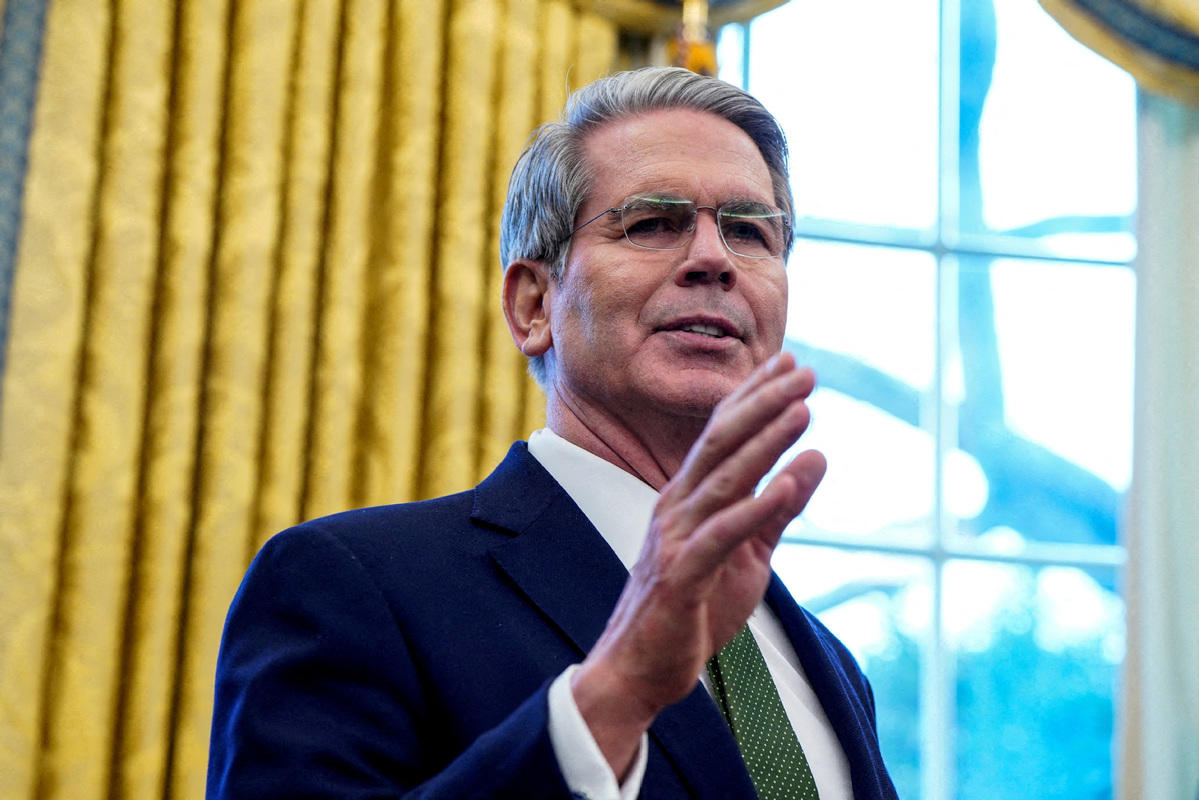
Washington: The United States is prepared to impose tariffs on China for purchasing Russian oil, but such measures will only be effective if European allies participate, US Treasury Secretary Scott Bessent said at a press conference on Wednesday.
“It is the purchase of Russian oil by China that fuels the Russian war machine. China buys 60% of Russian energy. They buy 90% of Iranian energy,”
Bessent stated, highlighting Washington’s frustration with Beijing’s continued trade with Moscow and Tehran despite Western sanctions.
A US Treasury spokesperson told Reuters that Washington also plans to present photographic evidence from the Ukrainian government showing Chinese-made components being used in Russian drones operating in Ukraine.
Escalating US-China Tensions
The comments come amid growing tensions between the US and China. On Wednesday, former President Donald Trump criticized China for allegedly holding back purchases of American soybeans during the trade war, threatening to terminate cooking oil imports and other trade elements as “retribution.”
“I believe that China purposefully not buying our soybeans, and causing difficulty for our soybean farmers, is an economically hostile act,” Trump posted on Truth Social.
Earlier on Tuesday, China announced sanctions on five US subsidiaries of South Korea’s Hanwha Ocean, citing national security concerns. This followed Trump’s threat to impose an additional 100% tariff on Chinese imports, although he later softened his stance, stating,
“Don’t worry about China, it will all be fine.”
Sanctions, Oil Purchases, and Strategic Goods
The US has already imposed sweeping export controls and sanctions, targeting Moscow’s energy revenues and defence supply chains. However, Beijing’s continued purchase of discounted Russian oil and supply of dual-use goods has undermined these measures.
Last week, China introduced broad new curbs on rare earth exports and other critical materials, requiring overseas exporters of items containing certain rare earths to obtain an export licence. These moves add to concerns about global supply chain disruptions amid geopolitical tensions.
US Considers Tariffs On China Over Russian Oil Purchases; European Support Seen As Key