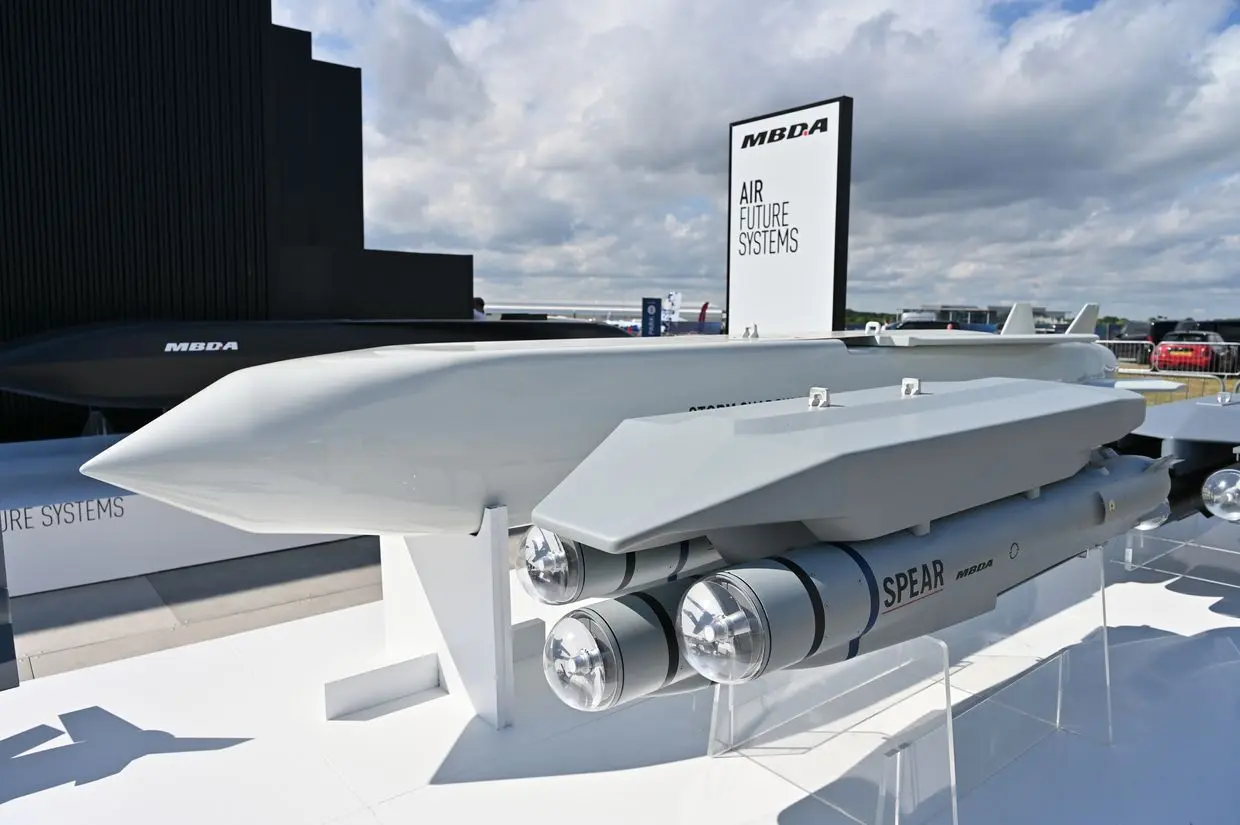
The Ukrainian military said it struck a chemical plant in Russia’s Bryansk region using British-made Storm Shadow cruise missiles, a notable escalation that came as Russia launched waves of missiles and drones against multiple Ukrainian cities overnight.
Kyiv’s strike follows intense fighting and diplomatic manoeuvring around a possible summit between U.S. President Donald Trump and Russian President Vladimir Putin. Ukraine also revealed upgraded maritime drones—nicknamed “Sea Baby”—with longer range, heavier payloads and AI-assisted targeting, underscoring the growing role of improvised and state-developed unmanned systems in the war.
What Ukraine says happened
Ukrainian forces reported a precision attack on a chemical facility across the border in Bryansk, carried out with Storm Shadow missiles supplied by Britain. The strike is one of several long-range operations Kyiv has executed in recent months, aimed at degrading military and strategic infrastructure inside territory controlled by or sympathetic to Moscow.
At the same time, Russian forces launched a series of missile and drone strikes across Ukraine overnight, striking at least eight cities and even hitting a kindergarten while children were in the building. The scale and timing of the attacks add urgency to Kyiv’s push to upgrade its strike and defensive capabilities.
Storm Shadow: long-range cruise missile in Kyiv’s toolkit
The Storm Shadow (also called SCALP by France) is an air-launched cruise missile developed by European defence firm MBDA. Key characteristics:
Range: roughly 250 kilometres (about 155 miles).
Warhead: large conventional penetrator (around 990 pounds) designed to defeat hardened or protected targets such as bunkers, ammunition depots and fortified industrial sites.
Guidance: uses GPS, terrain-following/terrain-mapping systems to fly low and avoid radar detection; a terminal seeker/camera helps identify the target before impact.
Cost / use: each missile carries a multimillion-dollar price tag and is typically used in carefully planned strikes once cheaper, mass-produced swarming drones have saturated or overwhelmed air defences.
Storm Shadow’s ability to fly low and use sophisticated navigation makes it suited to pinpoint attacks on high-value, hardened targets—explaining its selection for a strike on an industrial complex such as a chemical plant.
Sea Baby drones: upgraded range, heavier payloads and AI targeting
Ukraine’s Security Service (SBU) unveiled a new, upgraded version of its Sea Baby unmanned surface vessel. Notable features the SBU highlighted include:
Range: extended to about 1,500 kilometres, enabling operations across much of the Black Sea.
Payload: capacity increased to carry up to 2,000 kilograms, allowing heavier armaments or modular mission loads.
Variants: configurations reportedly include multiple-rocket-launcher mounts and stabilised machine-gun turrets; some variants can launch small aerial drones.
Targeting & autonomy: employ artificial-intelligence-assisted friend-or-foe identification to improve strike discrimination and reduce fratricide or accidental captures.
Operational security: multi-layered self-destruct systems to deny capture, while still aiming to remain reusable when feasible.
Funding & coordination: the programme is partly funded by public donations and operates in coordination with Ukraine’s military and political leadership.
Ukrainian officials noted that Sea Baby-type drones have been credited with strikes on Russian vessels and key infrastructure in the war so far, including attacks that affected traffic and logistics in naval areas.
Context: strikes, counterstrikes and civilian toll
Both sides have increasingly targeted infrastructure and logistic nodes as the conflict grinds on. Kyiv’s use of long-range Western-supplied munitions reflects a strategy of hitting high-value targets while trying to limit civilian harm; Russia’s overnight barrage and reported kindergarten strike highlight the war’s continuing risk to non-combatants and urban areas.
The deployment of precision long-range weapons like Storm Shadow and the fielding of heavier, AI-enabled maritime drones mark an evolution in Ukraine’s strike capability—one that is likely to draw close scrutiny internationally given the potential for cross-border incidents and escalation.
Ukraine Strikes Chemical Plant In Russia’s Bryansk Region Using British Storm Shadow Missiles