

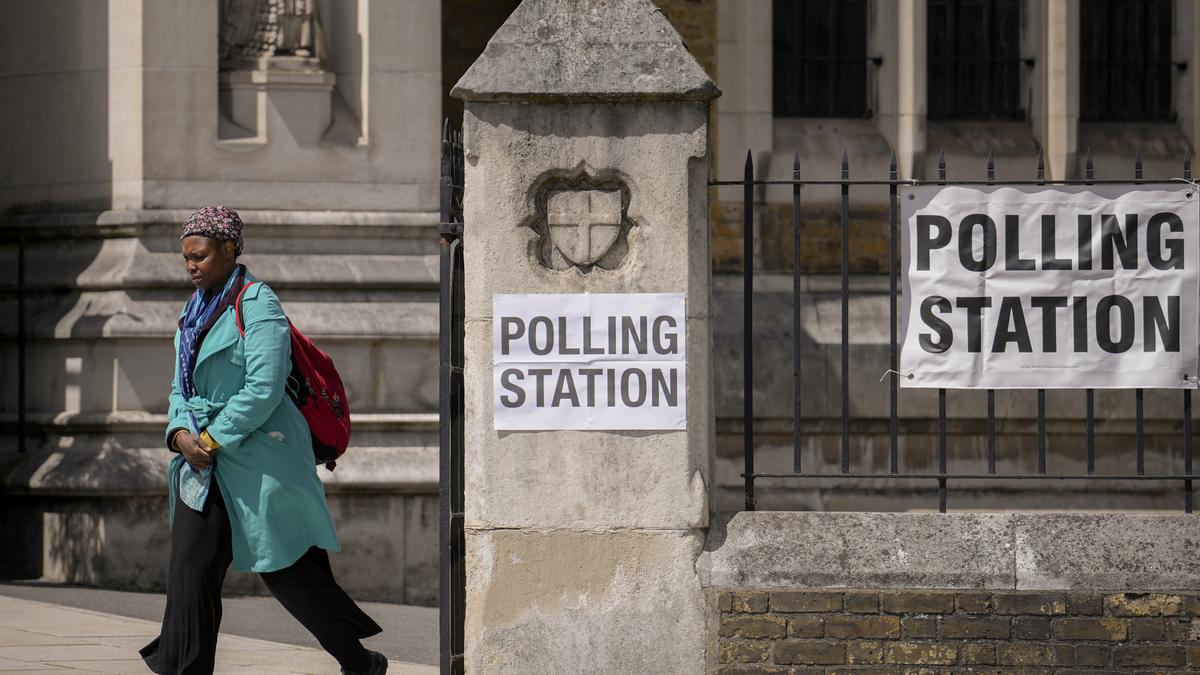

In a significant electoral reform, the UK Labour government has announced that the legal voting age for all elections will be lowered to 16, down from the current 18 years. This is the first change in voting age in the UK since 1969, when it was previously reduced from 21 to 18.
The move could trigger fresh debates globally, including in India, which had been 20 years behind the UK during the last similar shift.
“They’re old enough to go out to work, they’re old enough to pay taxes… and I think if you pay [taxes], you should have the opportunity to say what you want your money spent on,” said UK Prime Minister Keir Starmer, justifying the move on a national TV channel.
The government claims the reform will “break down barriers to participation” and help more young people become involved in the democratic process.
India’s 1989 Voting Reform: A Quick Look
India lowered the voting age from 21 to 18 with the 61st Constitutional Amendment in 1989, altering Article 326. The government at the time argued that young Indians were “literate, enlightened, and politically conscious,” and deserved representation.
Although India now routinely has one of the world’s largest pools of young voters, lowering the age to 16 is not under active public or legislative debate. Current reform efforts are more focused on electoral logistics, such as ‘One Nation, One Election’.
Other Countries That Allow Voting at 16
A few countries currently allow 16-year-olds to vote, including:
- Austria
- Brazil
- Scotland (for local elections)
- Wales (for local elections)
Globally, the norm for voting age transitioned from 21 to 18 during the 20th century, with most democracies adopting 18 as the standard by the early 2000s.
Data, Turnout & Political Impact in UK
According to estimates, 1.6 million 16- and 17-year-olds in the UK will now be eligible to vote, potentially increasing the electorate by 3%. However, the actual impact on election outcomes remains uncertain.
Research cited by Reuters suggests that lowering the voting age doesn’t significantly change results, but 16-year-olds tend to have higher first-time turnout rates compared to 18-year-olds.
Low turnout is seen as one motivation behind the move — in the 2024 UK general elections, turnout dropped below 60%, the lowest since 2001.
There is also political speculation around the reform: a recent survey found Labour was the most preferred party among 16-17-year-olds (33%), compared to 20% for the right-wing Reform Party. This has led analysts to suggest that Labour is banking on the youth vote as PM Starmer’s approval ratings decline.