

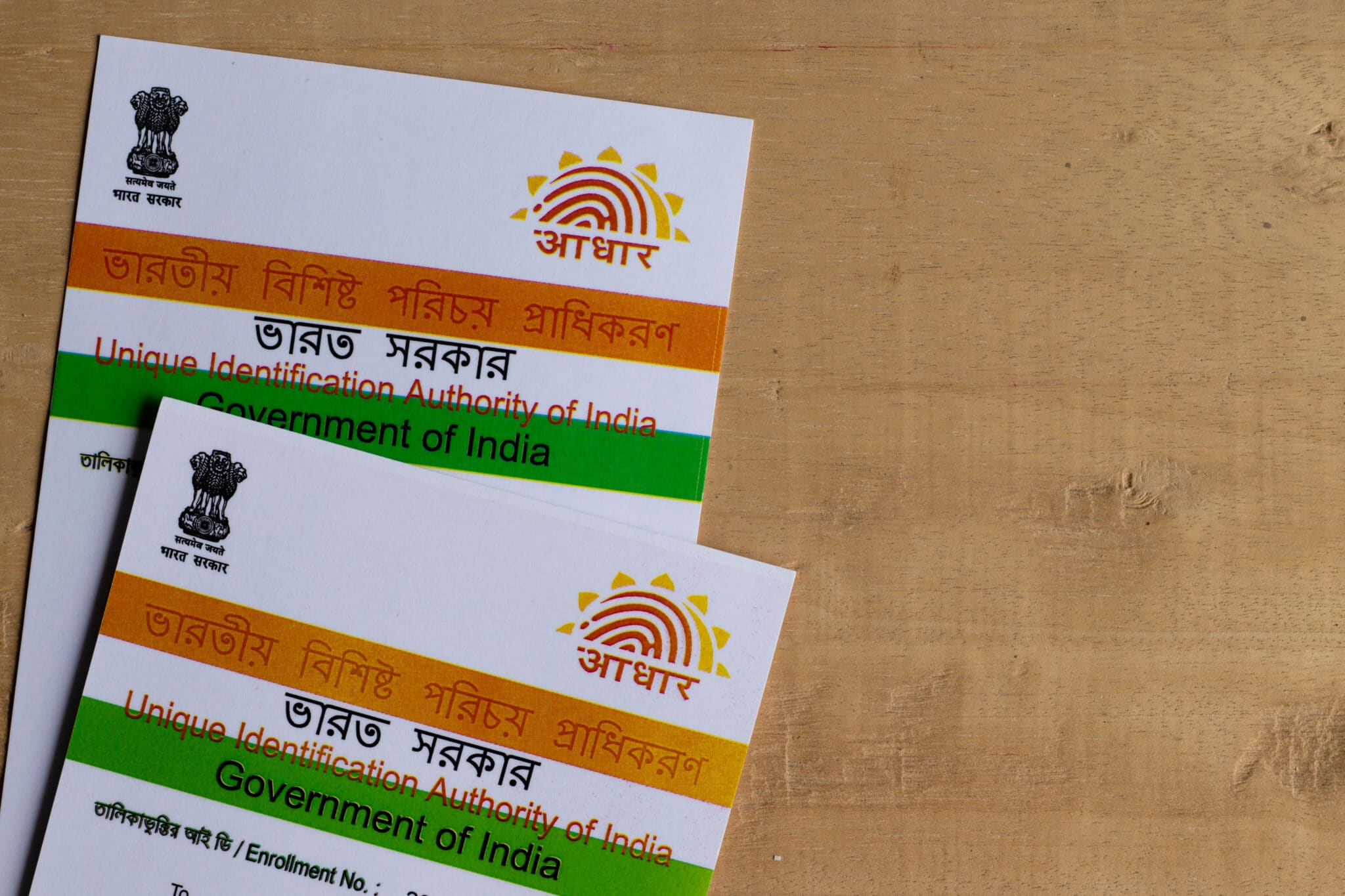

New Delhi [India]: Uganda is preparing to launch a digital identification system modeled after India’s Aadhaar, using open-source technology developed in India. A senior Ugandan government official confirmed the news on Saturday, highlighting the country’s growing collaboration with Indian digital platforms.
Uganda’s National Identification and Registration Authority (NIRA) has fully customized the Modular Open-Source Identity Platform (MOSIP) to comply with national regulations. The country plans to roll out five key services in the coming weeks: new registration, ID renewal, error correction, replacement of lost IDs, and first-time issuance.
MOSIP, developed by the International Institute of Information Technology, Bengaluru (IIIT-B), is designed to help governments implement secure and inclusive national ID systems similar to India’s Aadhaar.
The upcoming launch marks a major milestone in Uganda’s digital transformation, moving from a legacy system to a modern, interoperable identity infrastructure.
“We have had an immense year of interactions. We’ve had IIIT B (International Institute of Information Technology, Bengaluru) on speed dial, working towards understanding the platform. But more importantly, customizing it to the law of the land. And it has been a very enriching, very enriching experience. It has been a very enriching experience, one that we look forward to deepening across sectors and communities,” said Rosemary Kisembo, CEO of NIRA, in an interview with ANI.
Kisembo noted that a pilot program is already underway. Within the next two to three months, Uganda aims to link its new digital ID system with birth and death registration processes to create a comprehensive identity framework.
Beyond digital identity, Uganda is also exploring the integration of India’s Unified Payments Interface (UPI) to enable instant, low-cost digital transactions throughout the economy.
“The immediate benefit of UPI will be a reduction in the cost of transactions. It creates a free wallet for every citizen, enabling seamless money movement,” Kisembo added.
She praised India’s successful implementation of Aadhaar, which now covers over a billion people, calling it an inspiring model for developing nations.
“The leapfrog of India cannot be ignored” she said, emphasizing the valuable lessons it offers countries like Uganda.
However, Kisembo also stressed the importance of financial support to sustain these digital initiatives in Africa.
“Raising capital in Africa remains a challenge. We hope to interest not just technologists, but also capitalists willing to take a risk with Africa,” she said.
Uganda joins a growing list of countries embracing MOSIP to issue secure and inclusive digital IDs, reflecting the global impact of India’s digital public infrastructure.