

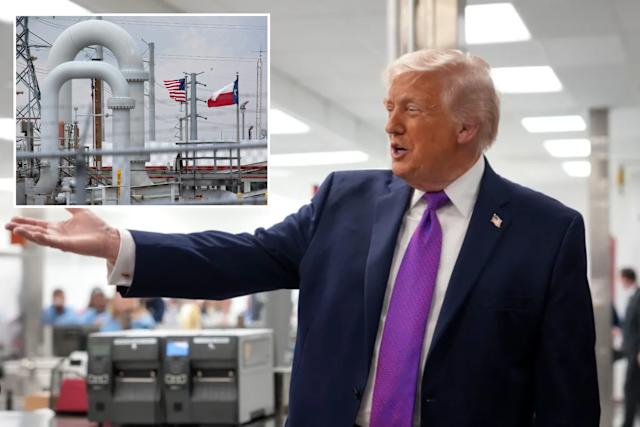

WASHINGTON / TEHRAN — On Thursday, March 12, 2026, the global energy crisis reached its most critical point since the 1970s. In a bid to stabilize soaring fuel prices and counter a total blockade of the Strait of Hormuz, President Donald Trump authorized the release of 172 million barrels of oil from the U.S. Strategic Petroleum Reserve (SPR).
The move is part of a massive, coordinated effort by the International Energy Agency (IEA), which saw 32 member nations agree to release a combined 400 million barrels—the largest emergency intervention in history.
1. The U.S. Response: SPR Drawdown & “Replenishment”
U.S. Secretary of Energy Chris Wright announced the measure on Wednesday evening, emphasizing that the release is a temporary bridge to “tide the world over” while the U.S. military works to reopen the Gulf shipping lanes.
- The Volume: 172 million barrels, will be discharged over the next 120 days.
- The Promise: Secretary Wright claimed that under President Trump, the U.S. has already arranged to “more than replace” these reserves by purchasing 200 million barrels within the next year, allegedly at “no cost to the taxpayer.”
- Market Impact: Following the announcement, oil prices—which had peaked near $120—moderated to approximately $90, as traders speculated on a potential swift resolution to the conflict.
2. Iran’s “$200 Bombshell” and Maritime Strikes
Tehran has responded to the U.S. intervention with defiance, warning that the global economy faces a “total collapse” if Western strikes continue.
- The Price Warning: Ebrahim Zolfaqari, spokesperson for Iran’s military command, directly addressed Washington: “Get ready for oil to be $200 a barrel, because the oil price depends on regional security, which you have destabilized.”
- Basra Port Fatality: On Thursday morning, a strike on Iraq’s Basra port killed at least one person and forced the immediate shutdown of all Iraqi oil terminals. The attack targeted a vessel during a ship-to-ship transfer; 38 crew members were rescued, but the halt in Iraqi exports further tightens the global supply squeeze.
- Shipping Toll: Total merchant ships hit in the Persian Gulf have now reached 16. This includes the Mayuree Naree (Thai-flagged) and recent strikes on an American-linked tanker that sparked a massive fire in the northern Gulf.
3. The “Financial War” Escalation
Iran has expanded its list of “legitimate targets” beyond the battlefield.
- Banking Threat: Following reported U.S.-Israeli strikes on a bank in Tehran, Iran’s Khatam al-Anbiya Headquarters issued a warning to civilians across the Middle East to stay at least 1,000 meters away from any banks doing business with the U.S. or Israel.
- Corporate Evacuations: Major global firms, including Citi and Deloitte, have begun evacuating or closing offices in Dubai following these threats to regional financial centers.
Energy Supply Status: March 12, 2026
| Metric | Status / Current Data | Impact |
| Global SPR Release | 400 Million Barrels (IEA Total) | Largest release in history |
| U.S. SPR Drawdown | 172 Million Barrels | ~1.4M barrels/day for 120 days |
| Strait of Hormuz | Blocked | 20% of global oil/LNG stranded |
| Iraqi Oil Terminals | Shutdown (Following Basra strike) | Near-zero exports from Southern Iraq |
| Crude Price | ~$90/barrel | Highly volatile; Iran warns of $200 |