

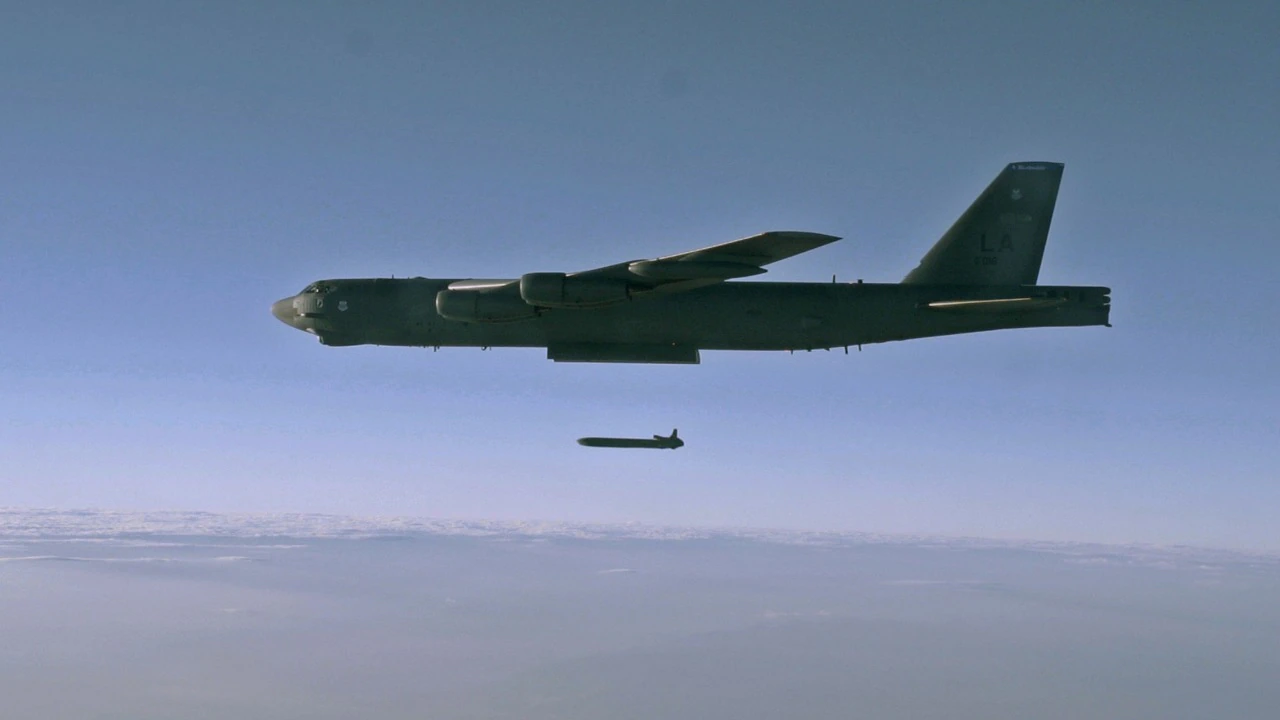

WASHINGTON / TEHRAN — On Tuesday, March 17, 2026, the U.S. Central Command (CENTCOM) announced a major escalation in Operation Epic Fury, deploying massive 5,000-pound deep penetrator munitions against Iranian military infrastructure. The strikes targeted hardened missile sites along Iran’s coastline, specifically those capable of threatening international shipping in the Strait of Hormuz.
The aerial assault follows Iran’s recent decision to restrict the strategic waterway—through which 20% of the world’s oil and liquefied natural gas flows—marking a critical flashpoint in the 18-day-old war.
1. The Strike: “Bunker Busters” in Action
The U.S. military confirmed the success of the mission via a statement on X (formerly Twitter).
- The Munitions: The 5,000-pound “bunker busters” (likely the GBU-72 or advanced GBU-28 variants) are designed to penetrate dozens of feet of reinforced concrete or earth before detonating.
- Cost Factor: Each unit is estimated to cost approximately $288,000. While devastating, they are significantly smaller than the 30,000-pound Massive Ordnance Penetrators (MOP) used by U.S. forces against Iranian underground nuclear facilities earlier in the conflict.
- The Goal: Neutralizing anti-ship cruise missiles that U.S. officials claim pose an “imminent risk” to global energy transit.
2. Bushehr Nuclear Plant Hit
In a separate and concerning development, the International Atomic Energy Agency (IAEA) confirmed that a projectile struck the premises of the Bushehr Nuclear Power Plant on Tuesday evening.
- Current Status: IAEA Director-General Rafael Grossi stated that no damage to the reactor was reported and no staff were injured.
- The Risk: Grossi reiterated a call for “maximum restraint,” warning that a direct hit on an operational plant like Bushehr could lead to a catastrophic radiological release.
- The Fallout: Russia’s Rosatom, which manages the facility, called for an immediate de-escalation around the site.
3. Iran: “No Return to Pre-War Status”
Iranian Parliament Speaker Mohammad Baqer Qalibaf signaled that even if a ceasefire were reached, the geopolitical landscape of the Persian Gulf has changed permanently.
- Strait of Hormuz: Qalibaf warned that the waterway “won’t return to its pre-war status,” implying that Iran may maintain a permanent or semi-permanent restrictive posture over the strait.
- Military Adaptation: He claimed that Iran’s “Decentralized Mosaic Defense” strategy has allowed its missile launchers to survive conventional bombardment, despite the high-tonnage U.S. strikes.
Weaponry Snapshot: U.S. Penetrator Munitions
| Munition Type | Weight | Primary Target | Estimated Cost |
| GBU-72 (New) | 5,000 lbs | Hardened coastal bunkers / Missile silos | $288,000 |
| GBU-28 (Legacy) | 5,000 lbs | Deep command centers | ~$300,000 |
| GBU-57 (MOP) | 30,000 lbs | Deep underground nuclear facilities | $3.5M+ |