

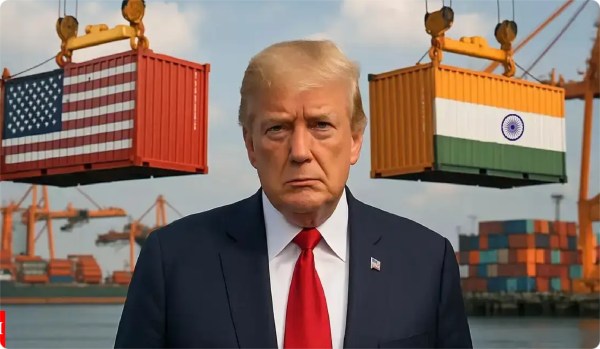

NEW DELHI – The trade fight between the U.S. and India has gotten worse since the U.S. started charging a 50% duty on numerous Indian exports. The additional tariffs, which go into effect at 12:01 a.m. Eastern Daylight Time on August 27, only apply to goods that were “entered for consumption” on or after that time. This is the fifth time the two countries have tried to reach a trade agreement and failed.
The Trump administration’s reason for the tariffs, according to a draft notification from the U.S. Department of Homeland Security, is to punish India for trading with Russia, which Washington thinks is “fueling Russia’s war machine.” The U.S. hopes that the tariffs will force Russian President Vladimir Putin to stop the war in Ukraine.
Indian exporters are getting ready for a big hit to their business because the additional tariffs will make their goods less competitive in the US market. Textiles, gems and jewelry, seafood, carpets, and leather items are some of the areas that are likely to be struck the most. Indian officials have said, nevertheless, that they might give exporters money and tell them to look for new markets in places like China, Latin America, and the Middle East.
Prime Minister Narendra Modi said that India would “withstand external pressure” in response to the U.S. pressure. He said again in a speech in Gujarat that his government would protect the interests of farmers, small businesses, and producers in India. He also said again that the economy should be “swadeshi” or “Made in India.”
The new tariffs apply to a lot of different products, but some important ones have been given a break. There is no extra 25% tax on iron, steel, aluminum, and copper goods, as well as passenger cars, light trucks, and auto parts. India’s important electronics and pharmaceutical industries, which make things like chips, mobile phones, and tablets, are also not affected.
The tariff’s installation is a setback for relations between the two countries, even though high-ranking officials from both sides recently had virtual meetings to talk about working together on trade, energy security, and military. Some others have also opposed the decision, saying that the U.S. hasn’t done anything like it to other big purchasers of Russian oil, such China.