

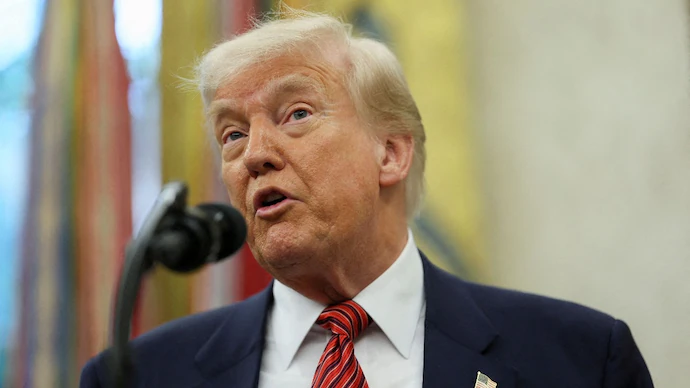

A proposed $250 visa fee under former President Donald Trump’s new immigration legislation is drawing criticism from tourism groups and visa sponsors, who warn it could severely impact the seasonal labor force that supports U.S. beach towns and resorts.
The legislation, titled the One Big Beautiful Bill Act (OBBB), introduces a $250 Visa Integrity Fee for many nonimmigrant visa applicants, including those applying under the J-1 cultural exchange and seasonal work programs. According to Newsweek, the fee would be collected when the visa is issued and is only refundable if the worker leaves the U.S. on time and does not overstay or work illegally.
While the intention is to bolster immigration enforcement and promote compliance, critics say the fee could discourage participation—especially from low-income countries like Jamaica and the Dominican Republic.
“Even a 10 or 20 percent reduction in program participation would have a significant impact on the seasonal hospitality industry across the country,” said Kasey Simon, president of United Work and Travel.
‘A self-imposed tariff’
J-1 visa holders typically fill roles that are hard to staff locally—such as housekeepers, amusement park workers, and lifeguards—during the high-demand summer season. According to the U.S. State Department, more than 300,000 people use the J-1 visa annually.
Geoff Freeman, president of the U.S. Travel Association, warned that the fee increase could backfire.
“Raising fees on lawful international visitors amounts to a self-imposed tariff on one of our nation’s largest exports: international travel spending,” he said.
While the $250 fee doesn’t apply to travelers from Visa Waiver Program countries, their ESTA fees are also set to rise—from $21 to $40, drawing additional concern from the tourism sector.
Enforcement and implementation questions
The bill also proposes expanded funding for U.S. Immigration and Customs Enforcement (ICE). However, many visa sponsors say there’s a lack of clarity about how refunds will be processed and who qualifies—prompting them to seek formal guidance from the Department of Homeland Security (DHS) and the State Department.
A press release from the House Judiciary Committee defended the fee, stating it is part of a broader plan to restore “immigration integrity” and protect national security.
Still, with planning for summer 2026 already underway, organizations that depend on J-1 workers are urging the government to provide answers before applicants start withdrawing.