

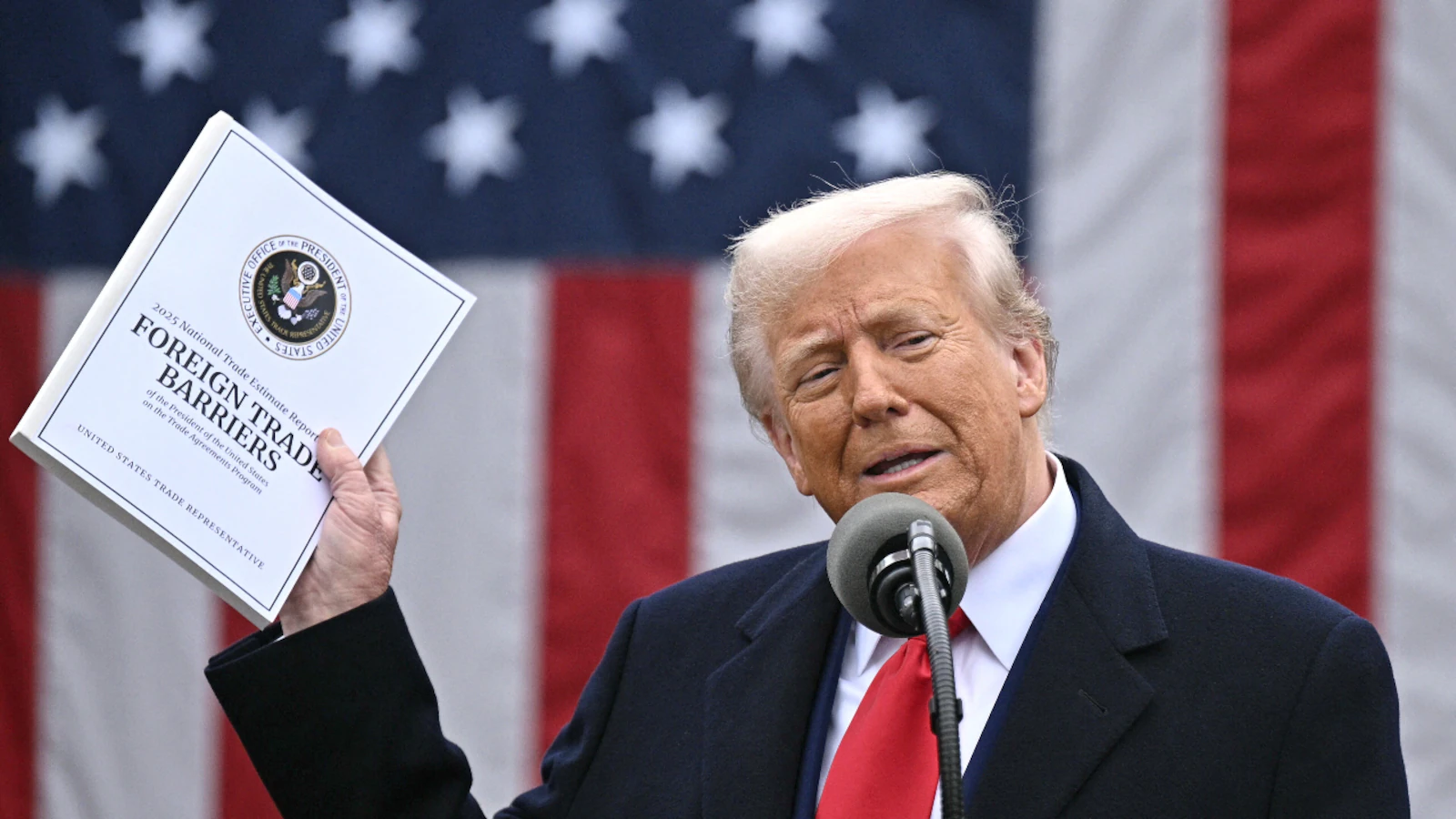

The U.S. has started its first round of tariffs on Indian imports. The first 25% levy went into force on Thursday, August 7. This will be followed by another 25% on August 27, making the total tariffs on Indian goods to the U.S. an incredible 50%. This step, which is a direct result of India’s large oil purchases from Russia, is part of the Trump administration’s plan to put pressure on Moscow. In response, Prime Minister Narendra Modi said that India will not give up on its farmers’ interests. He said, “I know I will have to pay a heavy price, but I am ready.” India is ready for it.
A Terrible Effect on Important Indian Export Sectors
Industry analysts and a research from the think tank GTRI (Global Trade Research Initiative) say that these duties will hurt Indian exports a lot, maybe even decreasing shipments to the U.S. by 40–50%. The extra tariffs, which are in addition to the usual taxes that are already in place, will make Indian goods far more expensive and less competitive in the U.S. market.
It’s likely that the following big industries will be hurt the hardest:
Textiles and clothing: This sector now has to pay customs of up to 63.9% on knitted clothes and 60.3% on woven clothes, even though it exports $10.3 billion worth of goods.
Gems and jewelry are a very important export sector worth $12 billion. Now, they will have to pay a total duty of 52.1%.
Shrimp: With a value of $2.24 billion, shrimp exports will have a hard time competing with countries like Ecuador, which has substantially lower tariffs. Yogesh Gupta, a seafood exporter, said that the increased charges will bring the total tariff on Indian shrimp to more than 33%, which is a big disadvantage for Indian shrimp in the market.
Exports of leather and shoes worth $1.18 billion will also be significantly hurt.
Chemicals: Organic chemicals will have to pay a total of 54% in taxes.
Machinery and mechanical appliances will have a total duty of 51.3%.
India and the U.S. traded $131.8 billion with each other last fiscal year. India’s exports were worth $86.5 billion. The additional tariffs could put a lot of this trade at risk.
A geopolitical standoff and uncertainty on the horizon
The new tariffs put India in a tough spot since it has to choose between its long-standing friendship with Russia and its important trading connections with the U.S. Experts in India have strongly criticized the move, saying it is an attempt to put pressure on New Delhi and is not in line with the U.S. position before.
The Confederation of Indian Textile Industry (CITI) has said that the tariffs will make it harder for the industry to compete and could even cause orders to be put on hold. Colin Shah, the managing director of Kama Jewelry, said that the 50% tax puts Indian exporters at a 30–35% disadvantage compared to exporters from other countries. He also said that a lot of small and medium-sized businesses (MSMEs) could not be able to handle the abrupt jump in costs, which could mean losing customers. The situation is even more convoluted because the U.S. hasn’t put equivalent taxes on China, which buys much more Russian oil, which has led to accusations of hypocrisy.
People have seen Prime Minister Modi’s strong posture, especially his focus on defending farmers’ interests, as a clear sign that India will not give in to U.S. pressure. The government hasn’t given exporters any precise instructions yet, but the effects are already being felt. The next several weeks are going to be very uncertain and difficult for India’s export-driven sectors.