

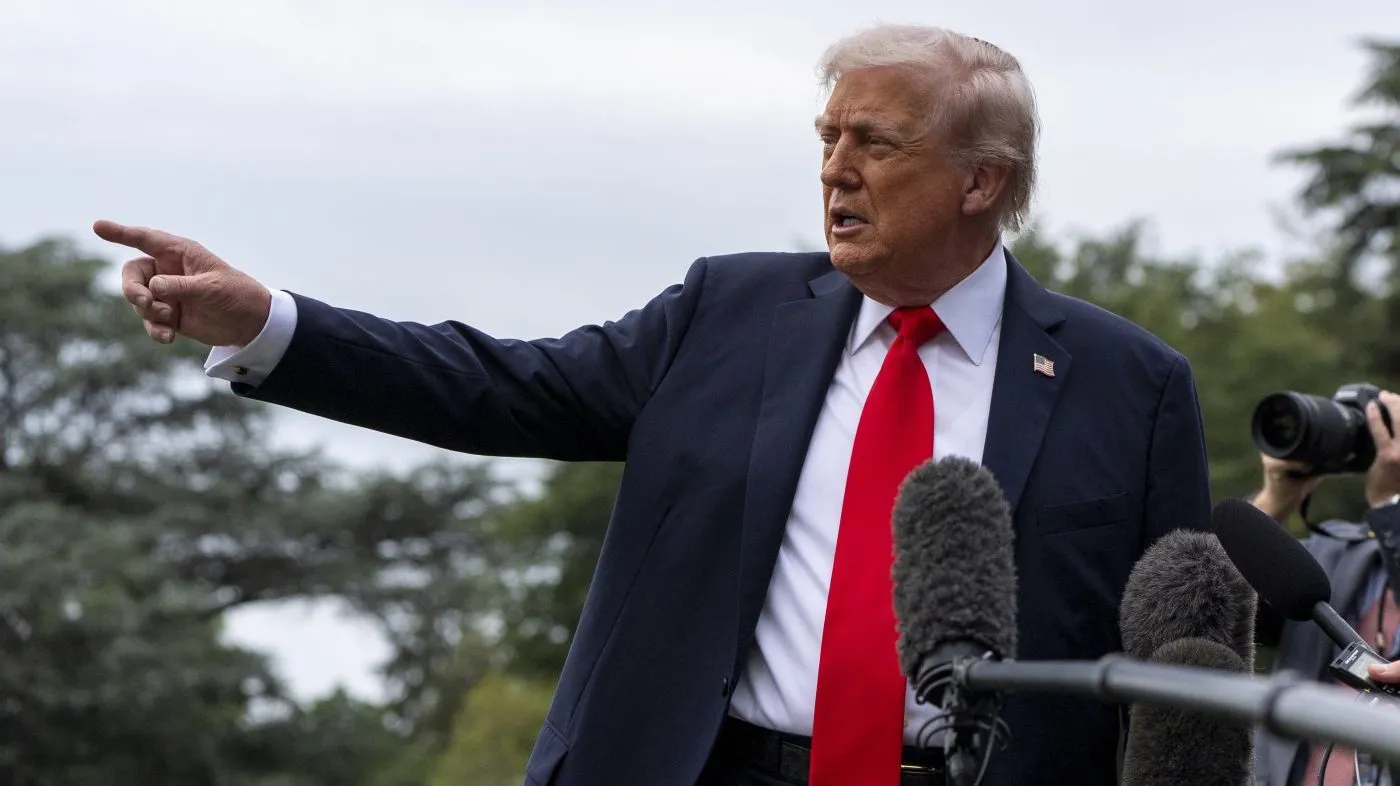

On Wednesday, Donald Trump, the President of the United States, said he wanted to call Antifa, a left-wing anti-fascist group, a “major terrorist organization.” Just a few days after the murder of Charlie Kirk, a right-wing influencer and close friend of the President, at Utah Valley University on September 10, this statement was made. The murder has brought up the issue of political violence again, and the Trump administration has responded quickly and aggressively.
President Trump called Antifa “A SICK, DANGEROUS, RADICAL LEFT DISASTER” in a strong message on his website Truth Social. He also said that people and groups who give money to Antifa will be “thoroughly investigated.”
Trump has said in public before that Antifa is like a terrorist group. He made a similar remark during his first term in 2020, especially during the widespread protests that followed George Floyd’s death. But this new declaration is a clear reaction to the political situation after Kirk’s death. Just a few days before the President’s statement, Vice President JD Vance said that the government was “going to go after the NGO network that foments, facilitates, and engages in violence.”
“Antifa” is short for “anti-fascist,” and a paper from the US House of Representatives says that it is not a single, well-organized group with a central leader. Instead, it is called a “loose affiliation of local activists” that works in tiny groups in the US and other nations. The movement is recognized for being against fascist and far-right ideas, and it often uses a variety of methods, such as protests and direct action.
It is hard to officially declare a local group a terrorist organization because most of these designations in the US are for foreign groups. Executive Order 13224 and other laws that allow the government to name groups usually focus on foreign people and groups who have committed or are likely to commit acts of terrorism. But a domestic designation would be a first in the law.
The move is a strong hint that the administration is serious about cracking down on left-wing extremism, even though the details of how they plan to achieve this legally are still unknown.