

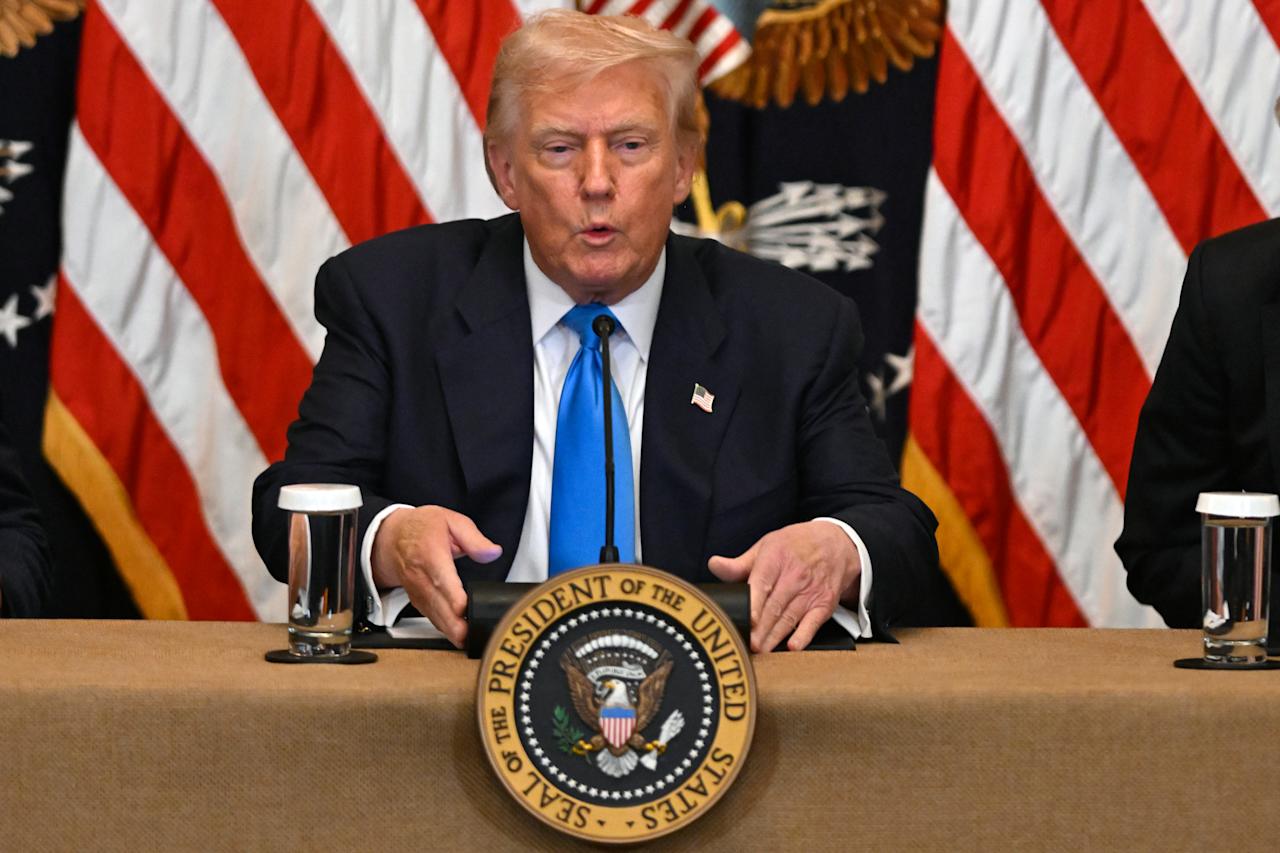

In Washington, D.C.: On Thursday, July 31, 2025, US President Donald Trump signed an executive order that imposed a 10% global minimum import rate and raised levies by 15% or more for countries that have trade surpluses with the US. These big changes, which are part of an effort to change global commerce to help the US economy, will go into effect in just seven days, on August 7.
The executive order lists 69 trading partners (68 countries and the European Union) who will have to pay duties. These tariffs will range from 10% to a high of 41%. Some nations have been able to reach accords that lower tariffs in last-minute talks, but many others haven’t had a chance to talk to the administration at all, so they have to cope with the full force of these new charges. If a country is not specifically specified in an appendix to the order, it will have to pay a 10% import tax on goods coming into the US.
Tariffs on Important Trading Partners
President Trump put high tariffs on dozens of important trading partners just before an important trade deal deadline on Friday.
Canada: A lot of Canadian items will have to pay a 35% tax. This is a big jump, and it’s happening at the same time as a second order that raises duties on Canadian items connected to fentanyl-related issues from 25% to 35%. Trump has said that Canada has “failed to cooperate” in stopping the flow of fentanyl into the US.
Brazil: Brazilian goods will have to pay a huge 50% tax on their exports.
India: A 25% tax will be added on Indian goods.
Taiwan: There will be a 20% tax on goods from Taiwan.
Switzerland: Things coming from Switzerland will have to pay a 39% tax.
Trump said in an executive order that some countries, “despite having engaged in negotiations, have offered terms that, in my judgment, do not sufficiently address imbalances in our trading relationship or have failed to align sufficiently with the United States on economic and national-security matters.” This statement makes it clear that the administration’s trade policy is “America First,” which puts US economic and strategic interests first.
A US official told reporters that more trade deals would be revealed soon, as the new “reciprocal” tariffs are ready to go into force. The person said, “We have some deals,” and then added, “I don’t want to get ahead of the President of the United States in announcing those deals.”
The 10 countries that will be hit hardest by the new tariffs
The executive order says that the following ten countries will have to pay the most in new US tariffs:
41% for Syria
40% for Laos
40% of the people in Myanmar (Burma)
39% of people live in Switzerland.
Iraq—35%
Serbia—35%
30% in Algeria
30% of Bosnia and Herzegovina
30% of Libya
30% in South Africa
Mexico was spared, but Canada was slammed for not being “constructive.”
The destiny of Mexico, the United States’ biggest economic partner, was one of the most carefully followed events. Mexico got an extension that stops a 30% tax on most of its non-metal and non-automotive exports that follow the rules of the USMCA (United States-Mexico-Canada Agreement). This choice came after an important phone chat between President Trump and Mexican President Claudia Sheinbaum on Thursday morning.
Sheinbaum said on X that her talk with Trump was “very good” and that they had “avoided the tariff increase announced for tomorrow.” Mexico’s economy ministry said that over 85% of Mexican exports to the US follow USMCA rules of origin, which would protect them from the 25% fentanyl-related tariffs. However, Trump said that the US would keep a 50% duty on Mexican steel, aluminum, and copper, as well as a 25% tariff on Mexican autos and commodities that are not covered by the USMCA but are subject to fentanyl-related charges.
A US official said that Canadian representatives “haven’t been as constructive as we’ve seen from the Mexican side.” This is why Canada has high tariffs on its exports, even though Canada is the US’s second-largest trading partner. This shows that diplomatic results are different even though the two countries are quite similar geographically and economically.
As countries try to adapt to this new protectionist environment, these new tariffs are likely to have a big effect on global supply chains, US consumer pricing, and trade relations between countries.