

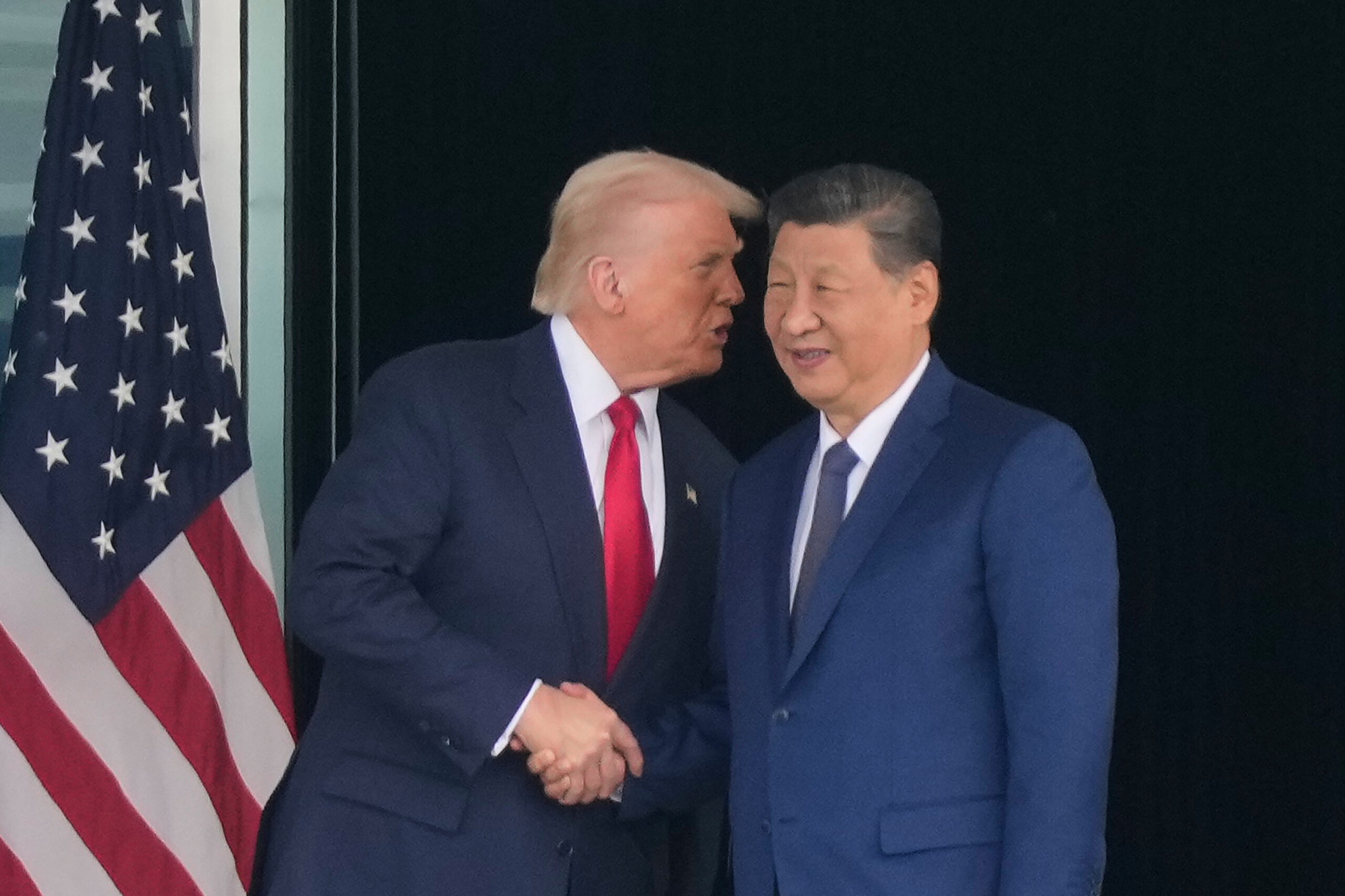

US President Donald Trump is set to travel to China from March 31 to April 2 for a crucial meeting with Chinese President Xi Jinping, as both leaders attempt to stabilise an increasingly strained trade relationship and manage rising geopolitical tensions, particularly over Taiwan.
The planned visit comes at a volatile moment after the US Supreme Court moved to strike down sweeping tariffs on exports, potentially reshaping the dynamics of the fragile trade truce negotiated last year following months of escalating tariff battles.
“I’m going to be going to China in April, that’s going to be a wild one,” Trump said during a meeting of the Board of Peace in Washington. He added that he expects an even grander welcome than during his 2017 visit to Beijing, recalling the elaborate military parade organised by China during his first term.
Trump also hinted that President Xi is expected to visit Washington later this year, with the Chinese leader likely to attend the G20 summit in Florida.
Trade Truce at Risk After Tariff Ruling
The upcoming talks are expected to focus heavily on extending the one-year tariff truce agreed upon last October. Beijing is likely to push for further tariff reductions and an easing of restrictions on advanced AI chip exports, according to reports citing sources close to the Chinese government.
The recent US court ruling could strengthen China’s negotiating position and complicate Trump’s demands for major purchases of American goods, including soybeans, Boeing aircraft, and energy exports.
Despite the tensions, the US trade deficit with China narrowed significantly in 2025 to around $202 billion, marking a 21-year low, according to US Commerce Department data.
Taiwan and Geopolitical Tensions Loom Large
Political friction remains a major concern heading into the summit. Taiwan continues to be a flashpoint, with Beijing warning Washington against arms sales to Taipei. The US approved an $11 billion arms package for Taiwan in December, drawing strong condemnation from China.
Taiwan, meanwhile, has been strengthening its defences as China increases military pressure on the island, which Beijing claims as its territory.
Global Power Moves Add to Strain
Beyond Asia, broader geopolitical moves could influence the talks. The Trump administration’s pressure on Iran and actions in Latin America — including the capture of Venezuelan leader Nicolas Maduro — have affected China’s strategic interests, especially in energy markets.
With trade, security, and global power politics all on the agenda, Trump’s China visit is expected to be one of the most consequential diplomatic engagements of his presidency.