

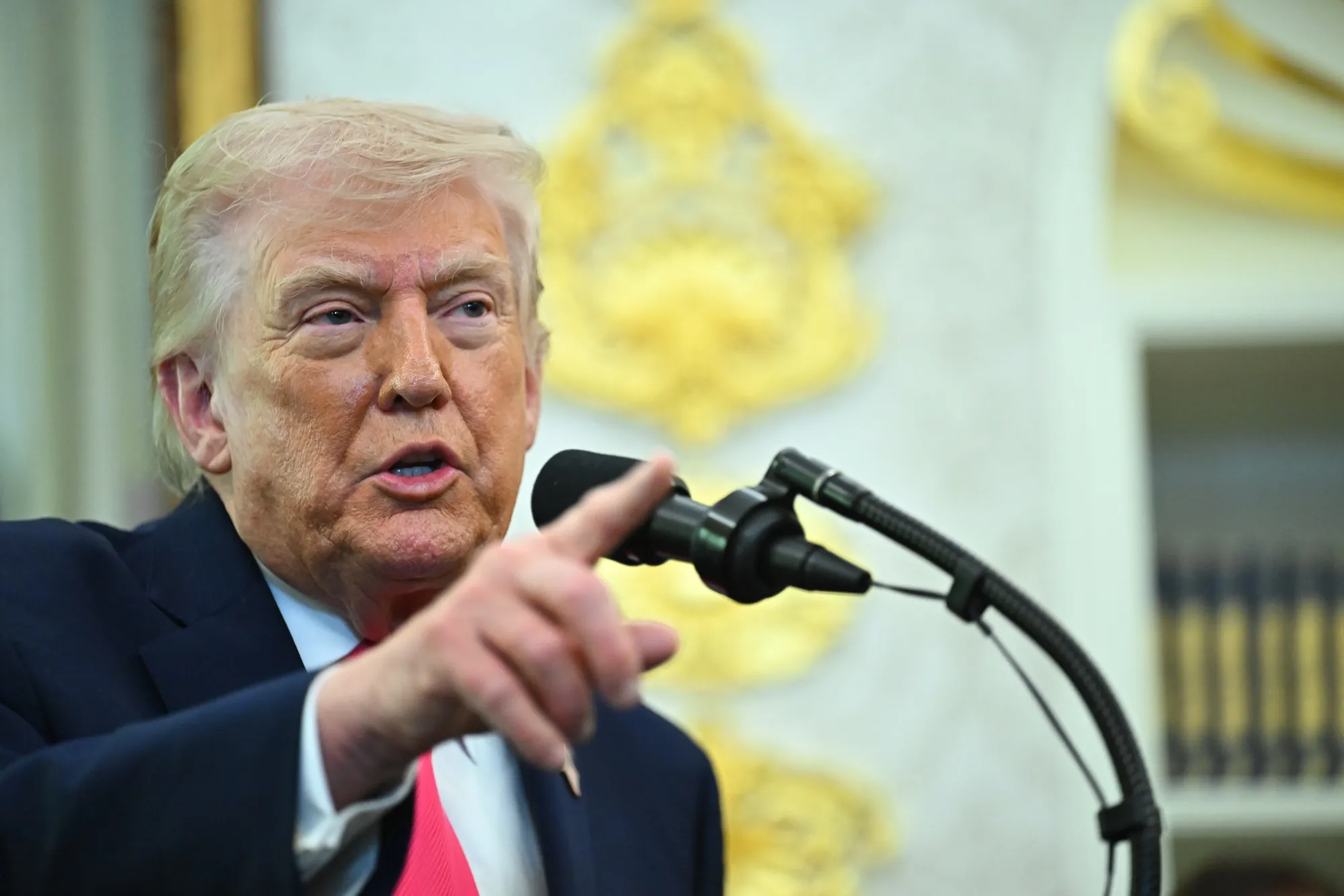

WASHINGTON / TEHRAN — As the US-Iran War enters its fourth week, a high-stakes blend of “fire and fury” rhetoric and back-channel diplomacy is unfolding. President Donald Trump has officially extended the deadline for potential strikes on Iran’s energy infrastructure to April 6, 2026, even as the Pentagon considers a massive reinforcement of ground forces in the region.
1. The April 6 “Energy Deadline”
President Trump confirmed on Thursday that he has paused the planned destruction of Iran’s power plants for 10 days.
- The New Cutoff: Monday, April 6, 2026, at 8:00 P.M. ET.
- The Motive: Trump claims the extension follows a direct request from Tehran, characterizing the current talks as “going very well” despite skepticism from some mediators.
- Goodwill Gesture: Iran has permitted 10 oil tankers (several flying the Pakistani flag) to pass through the Strait of Hormuz. Trump dubbed this a “present,” though tensions remain high as Iran reportedly seeks to “charge tolls” for future passage.
2. Pentagon Prepares for Escalation
While diplomacy is in the foreground, the Wall Street Journal reports that military preparations are accelerating:
- Ground Troops: The Pentagon is “looking at sending” up to 10,000 additional ground troops to the Middle East to bolster current positions.
- Naval Might: The USS Tripoli, a massive amphibious assault ship, is reportedly moving toward the warzone, potentially to assist in breaking the Iranian chokehold on global shipping lanes.
3. The “15-Point” Proposal & Iran’s Counter
Special Envoy Steve Witkoff confirmed that a formal “action list” has been delivered to Tehran via Pakistani intermediaries.
- US Stance: The list represents an “inflection point,” offering Iran a choice between a diplomatic off-ramp or “more death and destruction.”
- Iran’s Reply: According to the Tasnim news agency, Tehran’s official response includes steep demands:
- An immediate end to US and Israeli strikes on Iranian territory and regional allies (like Hezbollah).
- War reparations for damages incurred since the conflict began on February 28.
- Formal recognition of Iran’s sovereignty over the Strait of Hormuz.
4. Impact on the Region
The conflict, which started with preemptive strikes on February 28, has already caused significant global and regional disruption:
- Aviation: Indian airlines have cut nearly 3,000 weekly flights in their summer schedule due to the volatility in West Asian airspace.
- Oil Markets: While the tanker release offered a brief respite, oil prices remain under pressure as the April 6 deadline looms.
Conflict Timeline: Key Dates in 2026
| Date | Event |
| Feb 28 | War begins with US/Israeli airstrikes; death of Iranian Supreme Leader. |
| March 18 | First Indian fatality reported in Riyadh. |
| March 26 | Trump extends energy strike deadline; Iran submits counter-proposal. |
| April 6 | New Deadline: Expiration of the pause on energy plant strikes (8 PM ET). |