

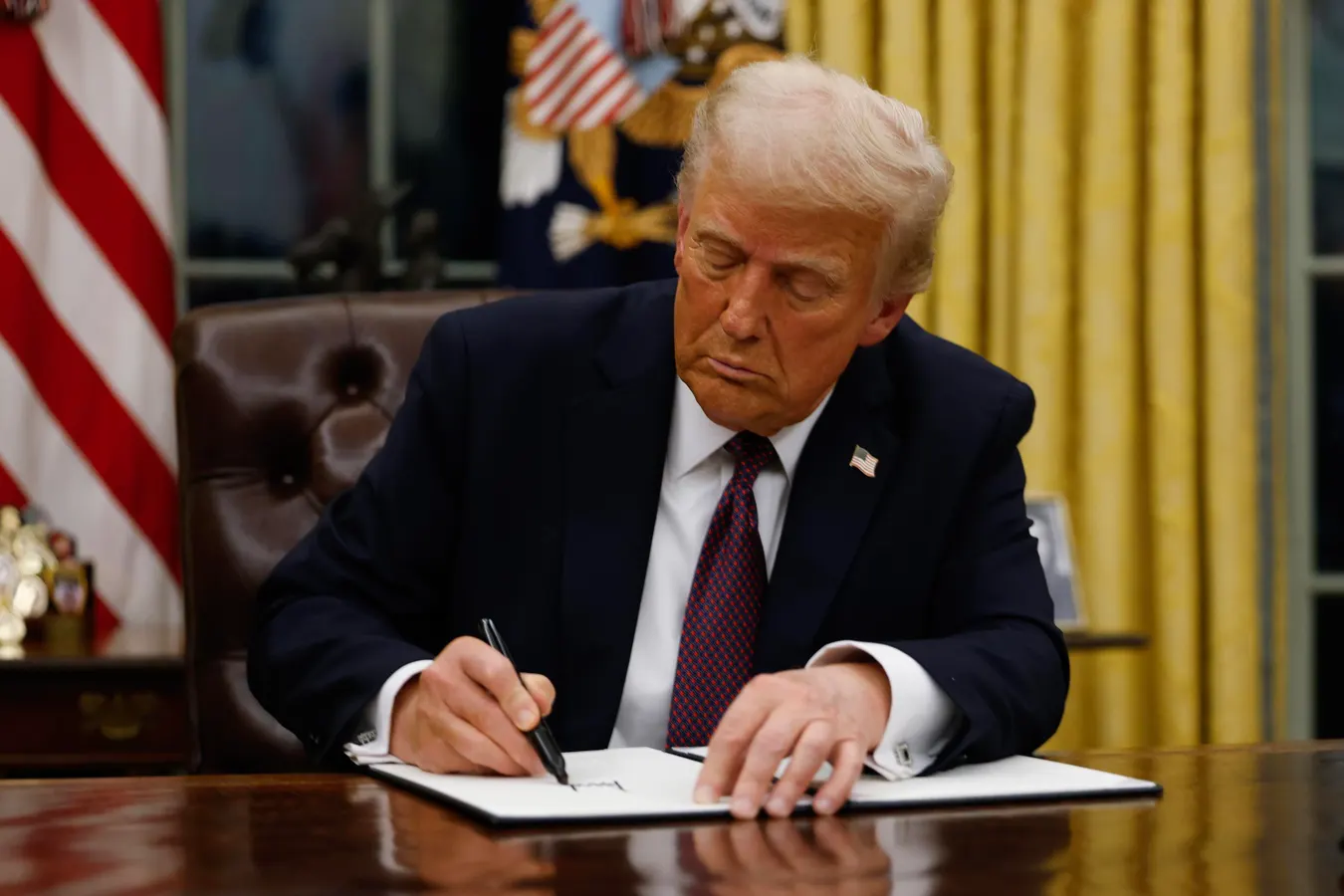

Politico says that the Trump administration is looking into ways to sell sections of the federal government’s huge $1.6 trillion student loan portfolio to private lenders. People who know about the talks say that high-ranking officials from the U.S. Department of Education and the U.S. Treasury have been meeting, but a final decision on the sale is not yet close.
About 35 million Americans are affected by this huge portfolio of federal school loans. If the government goes through with the sale, private companies would be in charge of managing and collecting these loans. It’s important to remember that the government is said to be merely selling parts of the portfolio, which means that a lot of the total debt would still be under federal control.
What a Possible Sale Means for People Who Have Student Loans
In financial markets, it’s typical for loans to be moved from one person or business to another. When a loan is sold, the borrower usually has to follow the same terms and circumstances that were agreed upon when the loan was first made. These include the amount borrowed, the interest rate, and the timeline for paying it back.
But financial experts and consumer advocates are warning that a switch to private ownership might have big effects on borrowers that go beyond the basic loan terms. The main worry is that important federal protections and advantages that aren’t usually offered in the private student loan market will be lost.
In particular, the loan conditions may not change, but the federal protections that come with them may be lost. For instance, federal student loans often come with important safety nets like:
Income-Driven Repayment (IDR) Plans: These plans let borrowers set a limit on their monthly payments based on how much money they make and how many people live with them. Private loans don’t often have such flexible, income-based choices.
Programs for Forgiving Loans: Only federal loans can be forgiven through programs like Public Service Loan Forgiveness (PSLF) or after a set number of IDR payments.
Widespread Emergency Relief: The federal government can take big steps to help people during national emergencies, like the COVID-19 epidemic. For example, the Biden administration put a 3.5-year payment moratorium in place. Private lenders don’t have to give this kind of broad, non-statutory help.
If the debt is sold, borrowers whose loans are transferred could face harsher collection techniques and lose access to these important legal protections.
Let the borrower know and what to do next
Transparency is required for debtors whose loans could be sold to a private company. If your loan is sold to a private entity, you will be told because your monthly payments will need to go to a new loan servicer.
The new private company would be in charge of collecting payments, but the original loan terms would still be legally binding. Experts say that the largest change is that people may lose access to the wider safety net of federal programs and relief measures. As the Department of Education and the Treasury continue to talk, borrowers should keep an eye on their loan status and the federal protections they rely on.