

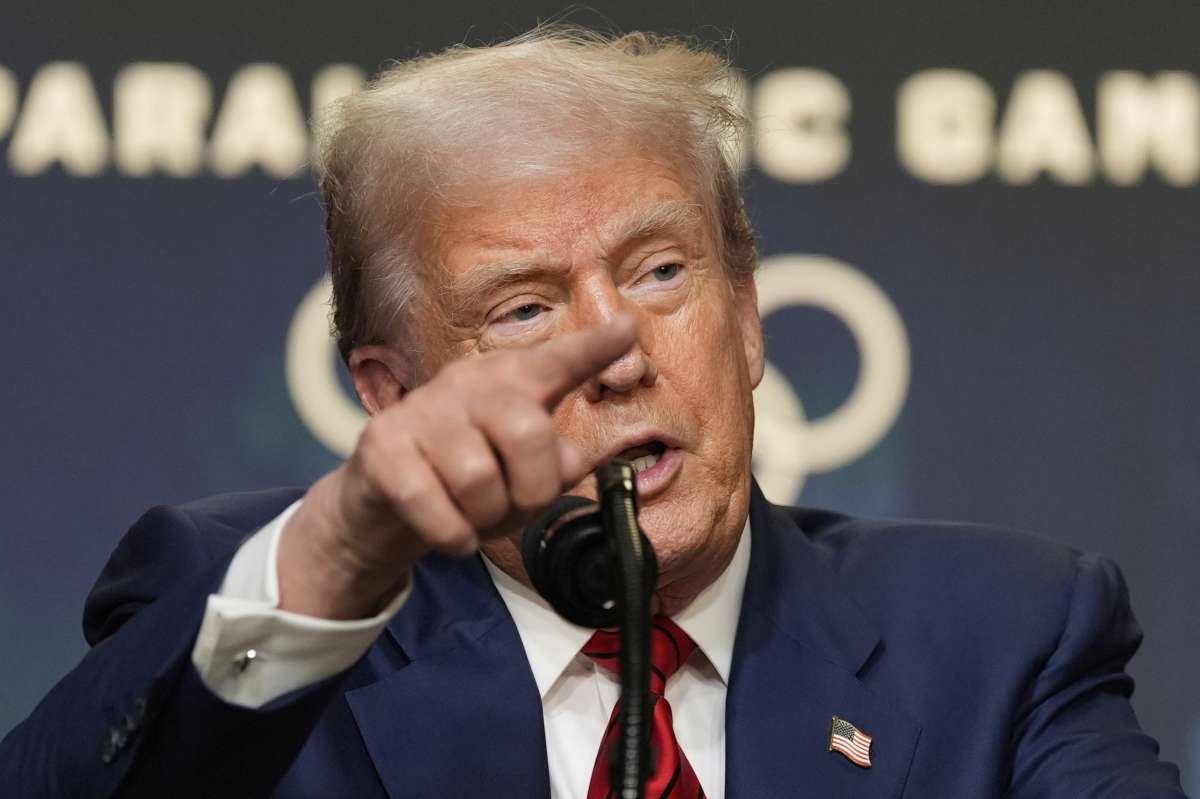

After days of rising threats, President Donald Trump of the United States put an extra 25% tax on Indian goods on Wednesday. This brought the total tax on items coming from India to 50%. Trump has consistently slammed India for buying oil from Russia, and this is a direct outcome of that.
The new tariff is based on what Trump said on July 30, when he said that India will have to pay a 25% duty starting on August 1 and an undisclosed “penalty” for trading energy and military goods with Russia.
Trump had already hinted at his decision in an interview with media, saying that he would “quite substantially” boost India’s tariff rate within 24 hours. He said, “India has not been a good trading partner because they do a lot of business with us, but we don’t do business with them.” So we agreed on 25 percent, but I think I’m going to boost that amount a lot in the next 24 hours.”
The increased tariffs are valid because of the President’s executive order, which cites powers given by the International Emergency Economic Powers Act (IEEPA), the National Emergencies Act, and other laws. The order says that the Russian government’s actions and policies are “an unusual and extraordinary threat to the national security and foreign policy of the United States,” and that India’s oil imports from Russia are making it harder for the U.S. to deal with this threat.
The complete wording of the executive order clearly explains why the tariff was put in place and how it would be enforced. “I find that the Government of India is currently directly or indirectly importing oil from the Russian Federation,” says Section 2. As a result, goods from India that are brought into the customs jurisdiction of the United States will have to pay an extra 25 percent ad valorem charge.
The new duty will go into effect 21 days after the order is placed, but there are certain exceptions for items that are already on their way. The order also makes it clear that this new tax is in addition to any other levies that are already in place, such as a separate tariff that was put in place by a prior executive order for nations that have big trade deficits with the U.S.
The order also lets the Secretary of Commerce decide if other countries are “directly or indirectly importing Russian Federation oil” and tell the President whether to put equivalent taxes on such countries. It also gives the Secretary of State the power to “change this order” if other countries retaliate or if the countries that are being targeted take “significant steps” to deal with the national emergency.
The Trump administration’s recent move has made trade tensions with India worse and prompted worries about the future of their economic relationship. This is especially true since New Delhi has said that buying Russian oil is in its national interest.