


WASHINGTON, D.C.— The Donald Trump administration took a balanced approach to the rising trade tensions with China On Sunday. They said they were open to negotiating a deal but also warned that China’s new export regulations make it much harder to have productive talks.
The trade war got a lot worse in the last week when China put new regulations on exports, including limits on rare earths, and other trade measures. However, it’s not clear what the full effects of these efforts will be, since some won’t start until November or may not be fully enforced.
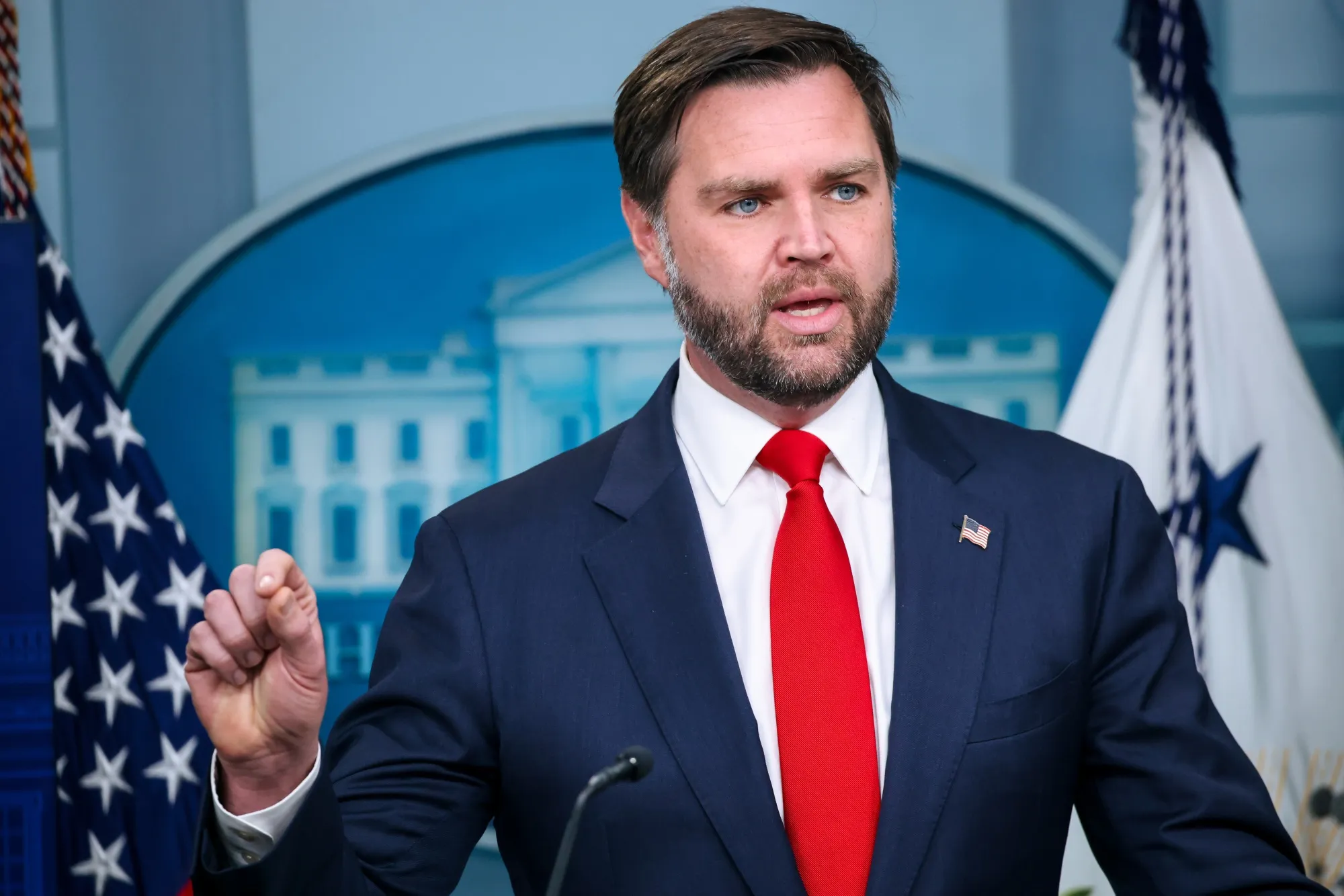
Vice President JD Vance told Chinese President Xi Jinping to “choose the path of reason” in the escalating conflict between the two biggest economies in the world. He also said that the US has “far more cards” if the fight goes on.
After Vance spoke, President Trump commented on Truth Social that there could be a “off-ramp” for President Xi. He also sent China a subliminal warning about how bad a complete trade war would be for their economy.
“Don’t worry about China; everything will be fine! President Xi, who is very well-liked, just had a rough day. He doesn’t want his country to be depressed, and I don’t either. The U.S.A. wants to help China, not damage it!!! Trump said.
It looks like Trump’s and Vance’s public comments are meant to keep the pressure on China to back down from its new trade moves while also calming down the financial markets that are worried about a possible tit-for-tat escalation.
Market Jitters and the Possibility of Negotiation
The recent flare-up, which started with a Trump tweet threatening a US response, hit the stock, oil, and cryptocurrency markets hard on Friday. But US futures rose in early Asian trading on Monday after President Trump’s more conciliatory comments on Sunday.
Goldman Sachs Group Inc. economists, including Jan Hatzius and Andrew Tilton, said, “The recent policy moves suggest a wider range of potential outcomes than appeared to be the case ahead of the last few key US-China meetings.” They said that “the most likely scenario seems to be that both sides pull back on the most aggressive policies and that talks lead to a further — and possibly indefinite — extension of the tariff escalation pause reached in May.”
Vice President Vance said that the whole thing was like a discussion that was still going on. Vance told Fox News’s Sunday Morning Futures, “It’s going to be a delicate dance, and a lot will depend on how the Chinese respond.” He also said that if China acted reasonably, the US would act reasonably too.
Earlier on Sunday, China’s Ministry of Commerce made a similar statement, telling the US to cease threatening to raise tariffs and asking for negotiations to continue. The ministry added, “Threatening with high tariffs at every turn is not the right way to get along with China.” It also said, “If the US continues on its current path, China will take strong action to protect its legitimate rights and interests.”
Threats from the US and a deadline in November
On Fox News’s The Sunday Briefing, US Trade Representative Jamieson Greer said, “I think it’s become very clear to everybody that this power grab by the Chinese won’t be tolerated.” This was in line with Vance’s stern words.
After China put limits on trade, President Trump said on Friday that the US would put 100% tariffs on a number of Chinese items and limit the sale of some US software, both starting on November 1. Trump also set the November date as a time for talks, which might mean that supplies of aircraft parts will stop.
Trump downplayed the coming deadline when he spoke to reporters on Air Force One on Sunday. He said, “You know what November 1 is for me? It lasts forever. For me, November 1 is a long time away. For someone else, it’s almost here. When I hear November 1, it feels like forever.
Greer also said that the November 1 deadline might help keep the market stable. “That said, these steps aren’t in place yet. It will happen on November 1. I think the markets will calm down this week as they see things settle down, hopefully.
Analysts think that China’s most recent actions may be an attempt to get the US to give in more, which could lead to a “market-positive outcome” with lower US tariffs on some goods. But there is still a chance that things might go very wrong, with both sides imposing triple-digit tariffs again.
The two nations had a serious trade war this spring, with tariffs rising to at least 125% before a compromise was reached in May to go back to the present levels: 10% Chinese taxes on US goods and a total of 30% US tariffs on Chinese imports (including duties that were already in place).
Vance said, “In the next few weeks, we’ll learn a lot about whether China wants to start a trade war with us or if they really want to be reasonable.” “I hope they choose the path of reason.”