

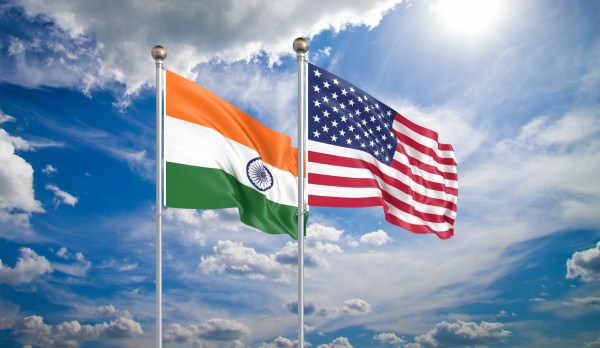

The past summer has been rightly termed the “summer of our discontent,” witnessing an abrupt and severe deterioration of India-US relations. The relationship quickly plunged from a state of stable satisfaction into one of “stunned shock”—a coldness and disregard not seen since the immediate aftermath of India’s 1998 nuclear tests. Unlike 1998, where the diplomatic fallout was expected, this recent downturn was likened to a “daylight ambush.”
The Trump Administration’s Aggressive Pivot
Despite an initially cordial meeting between President Donald Trump and the Indian Prime Minister that signalled continuity and the promise of quick trade negotiations, the Trump administration “inexplicably cut loose.”
- Unprecedented Tariffs: The US announced reciprocal tariffs of 25% on most goods, with a further 25% penalty added in August. This escalation, ostensibly over India’s continued purchases of Russian oil (even though China imported more and the Biden administration had encouraged India’s purchases), resulted in some of the highest tariffs imposed by the US on a major trading partner, indicating a notable degree of spite.
- Diplomatic Slips: Trump repeatedly claimed, against India’s strong insistence on bilateralism, that he stopped the war between India and Pakistan in May. This was coupled with taking Pakistan into a “friendly embrace,” directly challenging India’s long-standing allergy to the hyphenation of its relationship with its rival.
- Immigration Barriers: Fees for new H-1B visas, of which Indian skilled professionals are the largest beneficiaries, were hiked to a massive $100,000, and international student visas were curtailed.
- Strategic Distrust: The culmination of these actions was the public warming toward China, including rhetoric about a G-2. This rhetoric alone was sufficient to severely “dampen the strategic glue” that had bound India and the US over the past two decades against an increasingly muscular China.
The cumulative effect of these actions—which impacted US relationships with many other allies, though arguably not to the same degree—has been to severely damage the trust built incrementally over two and a half decades. The core belief that the US would strategically, economically, and technologically help propel India’s regional and global rise now has a huge question mark hanging over it.
India’s Calibrated and Restrained Response
India met Trump’s broadside with “dignified restraint,” adopting a calibrated approach aimed at keeping the vital bilateral relationship viable:
- Holding the Line: India firmly maintained its stance that issues with Pakistan must be dealt with bilaterally.
- Continued Engagement: New Delhi has soldiered on with trade negotiations and moved ahead with the decadal renewal of the defence framework agreement.
- Defense and Energy Deals: India signed deals for $90 million worth of American weaponry (including Javelin systems) and committed to importing 2.2 million tonnes per annum of LNG from America (amounting to 10% of India’s total imports).
- Russian Oil Shift: Purchases of Russian oil have decreased, primarily because Indian importers chose to avoid secondary sanctions arising from hardening Western restrictions on Russia’s oil majors.
- Multilateralism: India remains engaged in Quad processes and is actively building up multiple partnerships, including with the Global South.
The Path to Strategic Autonomy
While this approach is commendable, it should not inspire hopes of a “silver bullet” reversal, as a long-term strategic partnership cannot be built on the mood of a single leader. The inconsistencies of the past summer are viewed as an opportunity for a fundamental reset.
The core message moving forward is that India is ultimately “on its own, but does not have to go it on its own.”
- Basis for Autonomy: Genuine strategic autonomy must be built on long-term fundamental principles and well-projected values of India’s foreign policy, rather than being labelled as tactical opportunism.
- The Price of Consistency: In a fractured global landscape, this autonomy will come at a price, as not all partners will be equally pleased with India’s positions. However, consistency of approach and the enhancement of national capabilities will keep that price within manageable limits, making India an increasingly important partner over time.
Upcoming visits, including those of President Vladimir Putin and the European leadership in January, will provide appropriate opportunities for India to further define this new, autonomous foreign policy approach.