


The controversial statewide liquor prohibition in Bihar, implemented in 2016, has once again taken center stage in the state’s political discourse as the upcoming elections approach. The opposition parties are now presenting starkly different proposals to address what they universally critique as a failed policy, citing massive revenue losses, corruption, and the rise of a dangerous black market.
Prashant Kishor’s Bold Promise: A Complete Repeal
Poll strategist-turned-politician Prashant Kishor, the driving force behind the Jan Suraaj Party, has made the most aggressive promise: to lift the prohibition entirely if his party is voted into power. Kishor’s core argument is economic pragmatism. He asserts that the ban is merely a “sham,” as liquor is still being illegally home-delivered, and that its repeal would allow the state to regulate the trade and unlock a massive annual revenue of up to ₹28,000 crore. He vows to make the ban end “within an hour” of forming the government, aiming to utilize this recovered revenue for crucial developmental projects.
RJD’s Cautious Approach: Exempting Toddy for Livelihood
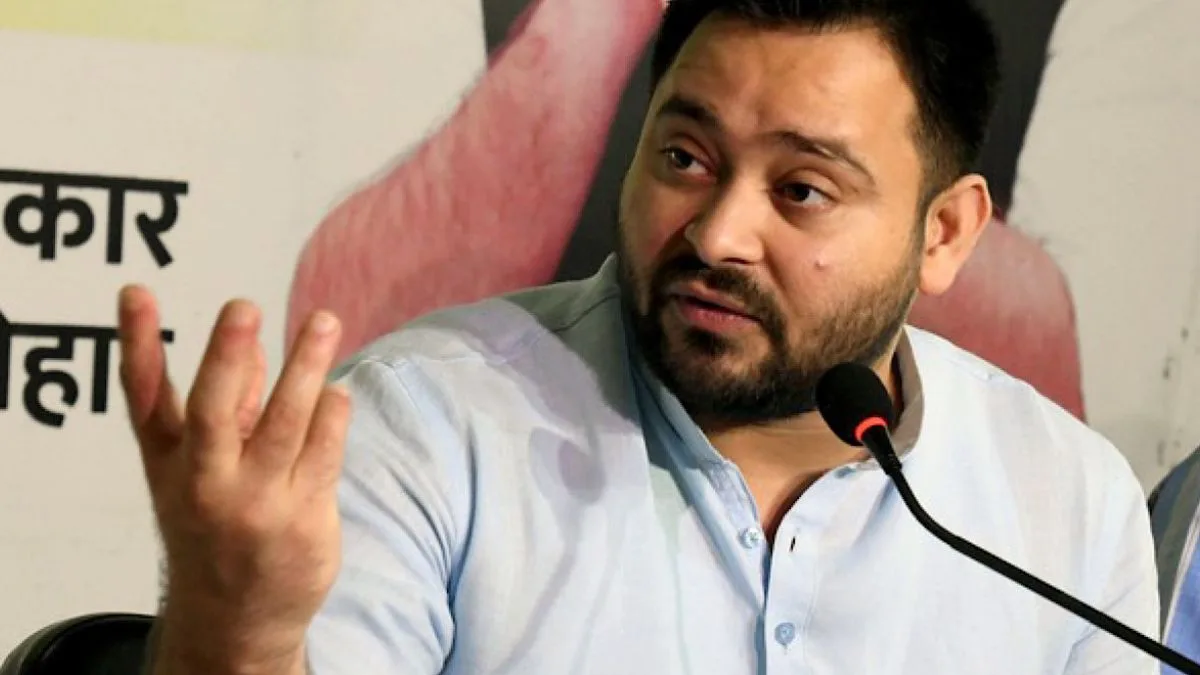
The main opposition party, the Rashtriya Janata Dal (RJD), led by Chief Ministerial candidate Tejashwi Yadav, is taking a more nuanced route. While criticizing the ban as a “failure of governance,” the RJD has promised a partial lift by formally exempting toddy (a traditional alcoholic drink made from fermented palm sap, known as neera before fermentation) from the stringent provisions of the Bihar Prohibition and Excise Act, 2016.
Yadav recently addressed the Pasi community—a Scheduled Caste (Dalit) group traditionally dependent on toddy tapping for their livelihood—recalling his failed attempts to convince the then-Chief Minister Nitish Kumar to exclude toddy during the initial phase of the ban. The RJD has included this exemption in its manifesto, viewing it as a critical move for caste outreach, citing the livelihood of the approximately 13 lakh Pasi population in the state (less than 1% of the total, but categorized as Mahadalit).
Nitish Kumar’s Unwavering Defence
Current Chief Minister Nitish Kumar (JDU, now allied with the BJP-led NDA) remains firmly committed to the ban. He continues to link the prohibition directly to women’s welfare, arguing that alcohol abuse had the most devastating social impact on women and families. He routinely provides data on the seizure of illicit liquor, drugs, and illegal arms as proof that the policy is working effectively to improve social metrics.
However, the ban has created internal division within the ruling NDA itself, with Union Minister and former CM Jitan Ram Manjhi (HAM-S) recently calling for a review. Manjhi argues that the enforcement is flawed, primarily targeting the poor while the wealthy liquor smugglers manage to escape police scrutiny. Despite three policy reviews, the blanket ban has remained in place.
The Impact: What Experts and Data Reveal
The debate is not just political; it’s rooted in tangible social and economic consequences, which studies have attempted to analyze:
- Social and Health Benefits: A May 2024 study published in The Lancet provided key evidence suggesting that the ban did lead to significant social gains. The research found a noticeable reduction in overall alcohol consumption and a subsequent decrease in cases of partner violence. It also reported a 5.6 percentage point drop in overweight and obesity rates among men in Bihar compared to non-prohibition states.
- Economic and Law Enforcement Concerns: While social benefits are cited, experts remain concerned about the law’s unintended consequences. The state’s exchequer has suffered significant revenue loss. Furthermore, the ban has inadvertently led to the flourishing of a black market and illicit liquor or ‘hooch,’ which has repeatedly resulted in tragic hooch-related deaths. A study by Aaditya Dar and Abhilasha Sahay suggested that the massive diversion of police resources toward prohibition enforcement may have reduced the capacity to address other criminal activities, potentially contributing to a rise in other crime rates. The ban has also been linked to increased consumption of more dangerous, illicit alcohol among young people.