


Chennai: In a significant move aimed at promoting social equality, the Tamil Nadu government announced on Monday that all government-run student hostels bearing caste-linked names will now be renamed as “Social Justice Hostels”.
The decision applies to hostels serving students from Scheduled Castes (SC), Scheduled Tribes (ST), Backward Classes (BC), Most Backward Classes (MBC), and denotified communities.
“Foundation for a Progressive Tamil Society”: Stalin
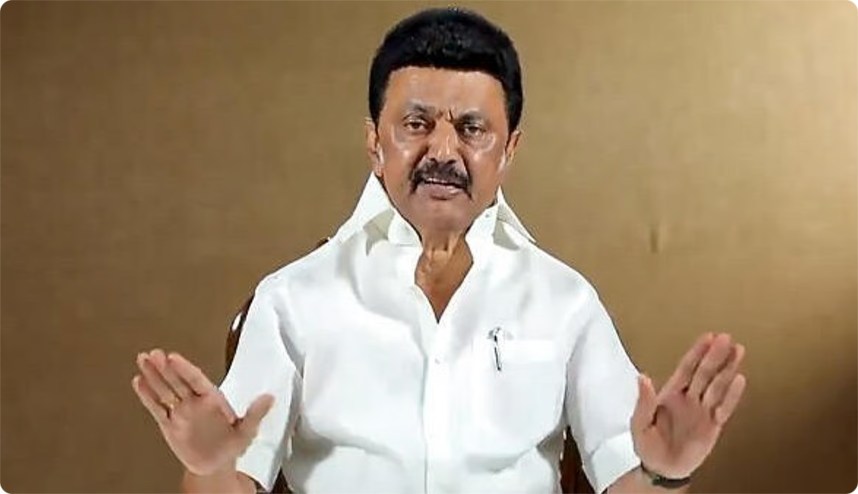
Chief Minister MK Stalin said the move is in line with the Dravidian model of governance, which seeks social, gender, and economic justice.
“This decision will lay the foundation for building a progressive Tamil society without any caste differences. It is essential to eliminate caste sentiments to shape our future society into a progressive one,” Stalin stated.
Recommendation from Justice Chandru Panel
The renaming is part of the recommendations made by retired judge K. Chandru, who was appointed to tackle caste-based discrimination in educational institutions. The panel was formed following the tragic murder of a 17-year-old Dalit student in Tirunelveli in 2023, allegedly by classmates from a dominant caste group.
Justice Chandru had strongly recommended removing caste prefixes from the names of schools and hostels to foster inclusivity and reduce discrimination.
Scale of Implementation
Currently, 2,739 government hostels in Tamil Nadu accommodate over 179,000 students. The demographic breakdown includes:
- 98,909 in Adi Dravidar Welfare Hostels
- 41,194 in Backward Community Hostels
- 26,653 in Most Backward Community Hostels
- 9,372 in Denotified Community Hostels
- 2,190 in Tribal Welfare Hostels
- 1,250 in Minority Welfare Hostels
These will now all function under the uniform title: Social Justice Hostels.
BJP Criticism and Welfare Concerns
Former BJP Tamil Nadu chief K. Annamalai criticized the move as symbolic and superficial, pointing to poor hostel infrastructure:
“Hostels lack maintenance, drinking water, and clean toilets. Changing names won’t fix these issues,” he said, adding that the Ad and publicity budget for the Welfare Department rose from ₹1.65 crore in 2023–24 to ₹11.48 crore in 2024–25.
What’s Next?
While the name change is largely symbolic, it represents a wider shift in the state’s educational policy. The DMK government says it will follow up with policy-level changes to improve infrastructure, safety, and inclusivity across schools and colleges.
📌 Experts say this move could become a template for other Indian states grappling with caste divisions in educational access.