

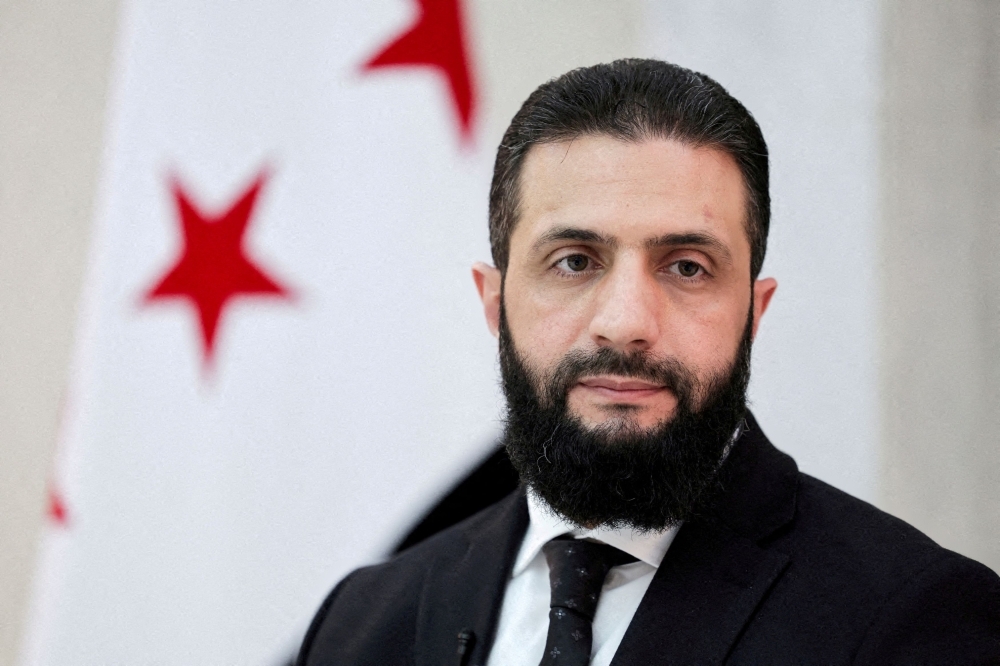

Syria’s interim President Ahmed al-Sharaa is scheduled to meet with US President Donald Trump at the White House on Monday for unprecedented bilateral talks. This high-level meeting comes just days after Washington removed Sharaa, the country’s new leader, from a terrorism blacklist.
Sharaa’s visit is highly symbolic, as he will be the first Syrian leader to visit the White House since the country gained independence in 1946. He rose to power late last year when his rebel forces successfully ousted longtime ruler Bashar al-Assad.
Transformation from Militant Leader
The political journey of Ahmed al-Sharaa has been astonishing. His group, Hayat Tahrir al-Sham (HTS), was formerly affiliated with Al-Qaeda but was itself only delisted as a terrorist group by Washington in July.
Since taking control, Syria’s new leadership has actively sought to distance itself from its violent past and project a more moderate image to both its citizens and foreign powers.
- Symbolic Moment: Michael Hanna, US program director at the International Crisis Group, described the White House visit as “a hugely symbolic moment for the country’s new leader, who thus marks another step in his astonishing transformation from militant leader to global statesman.”
- Previous Contact: Sharaa first met President Trump in Saudi Arabia during the US leader’s regional tour in May.
Washington’s Rationale and Demands
The U.S. State Department’s decision on Friday to remove Sharaa from the blacklist was widely anticipated. State Department spokesman Tommy Pigott explained the reasoning:
“These actions are being taken in recognition of the progress demonstrated by the Syrian leadership after the departure of Bashar al-Assad and more than 50 years of repression under the Assad regime.”
Pigott added that Sharaa’s government had been meeting US demands, specifically on:
- Working to find missing Americans.
- Eliminating any remaining chemical weapons.
On Saturday, the Syrian interior ministry announced a “proactive campaign” involving 61 raids and 71 arrests targeting remaining IS sleeper cells across several locations, including Aleppo, Idlib, and Damascus, in a clear effort to “neutralize the threat” of IS.
Agenda for the White House Meeting
Sharaa’s agenda for his Washington trip is centered on security, diplomatic, and economic cooperation:
- Anti-IS Alliance: Washington’s envoy to Syria, Tom Barrack, indicated that Sharaa may sign an agreement on Monday to join the international US-led alliance against the Islamic State (IS) group.
- Military Presence: A diplomatic source told AFP that the United States plans to establish a military base near Damascus to “coordinate humanitarian aid and observe developments between Syria and Israel.”
- Economic Aid: The interim president is expected to seek US funds for Syria, which faces monumental rebuilding challenges after 13 years of civil war. The World Bank issued a “conservative best estimate” in October, putting the cost of rebuilding Syria at $216 billion.
Prior to his White House meeting, Sharaa met with IMF chief Kristalina Georgieva over the weekend to discuss possible aid, and he also held talks with representatives from Syrian organizations. His Washington visit follows his trip to the United Nations in September, where he became the first Syrian president in decades to address the UN General Assembly.