

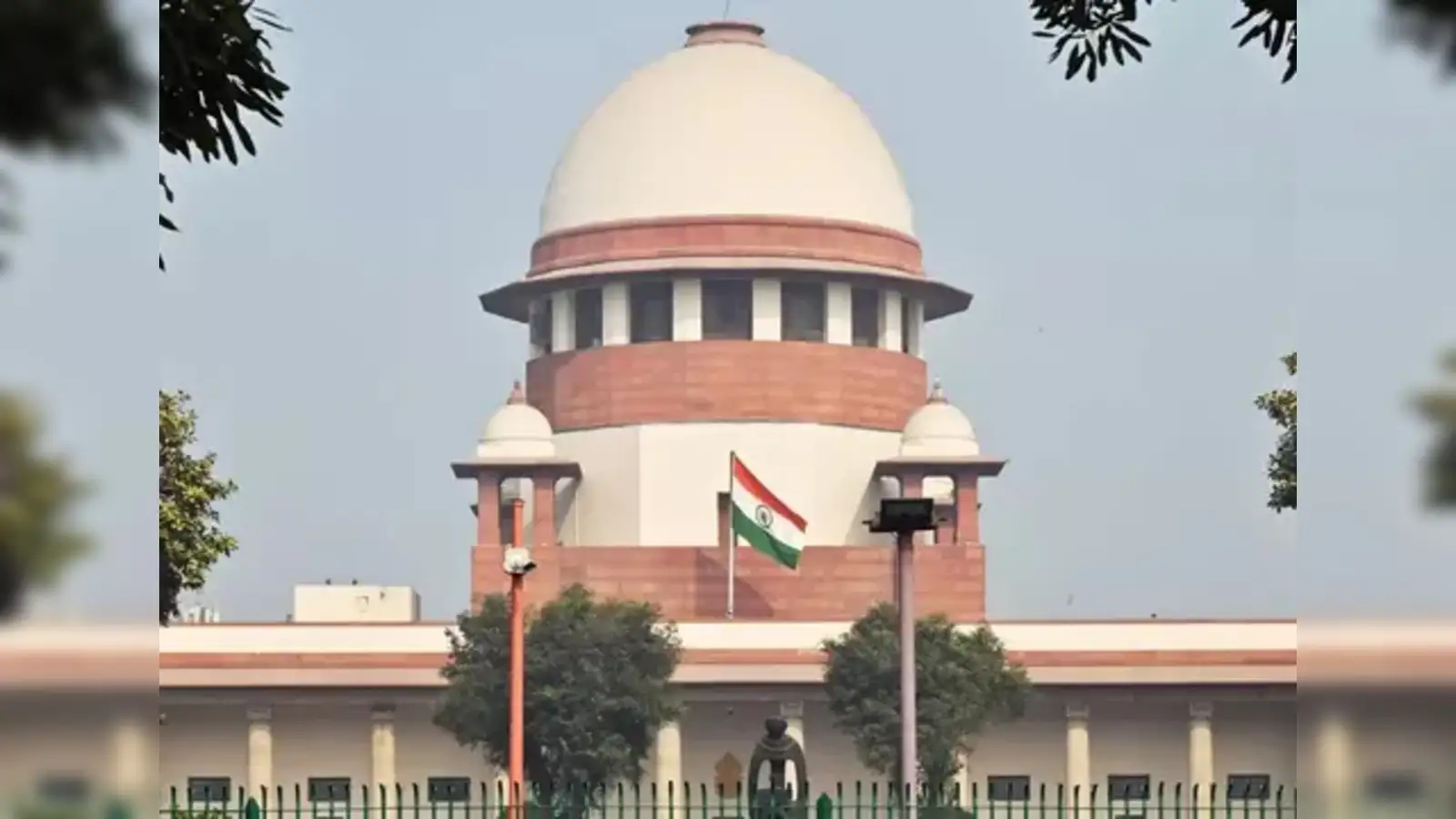

New Delhi [India], May 27– The Supreme Court on Tuesday dismissed a plea seeking to safeguard the name of Vinayak Damodar Savarkar from alleged misuse and include it under the Emblems and Names (Prevention of Improper Use) Act, 1956. The petitioner, Dr. Pankaj Phadnis, also urged the court to direct Leader of Opposition Rahul Gandhi to perform community service for his alleged defamatory remarks against Savarkar.
A bench comprising Chief Justice of India BR Gavai and Justice Augustine George Masih refused to entertain the plea, noting that no fundamental right of the petitioner had been violated.
Dr. Phadnis, appearing in person, argued that he had conducted extensive research on Savarkar and wished to legally protect the late freedom fighter’s legacy. He also sought to impose symbolic punishment on Rahul Gandhi, suggesting he sweep the floor of the Savarkar Museum in Mumbai for a day as a form of community service.
The CJI questioned the basis of the petition, asking, “What is the violation of your fundamental right?” To which Phadnis responded that the issue related to Article 51A—which outlines fundamental duties—claiming that public figures should not impede citizens from fulfilling those duties.
The court clarified that petitions under Article 32 of the Constitution can only be considered for violations of fundamental rights, not fundamental duties, and thus dismissed the plea.
The petition also requested that Savarkar’s name be included in the schedule of the Emblems and Names Act, which would legally restrict the improper use of his name under central government-prescribed conditions.
Despite the passionate plea, the apex court ruled that the matter did not warrant judicial intervention under constitutional provisions concerning rights enforcement.