

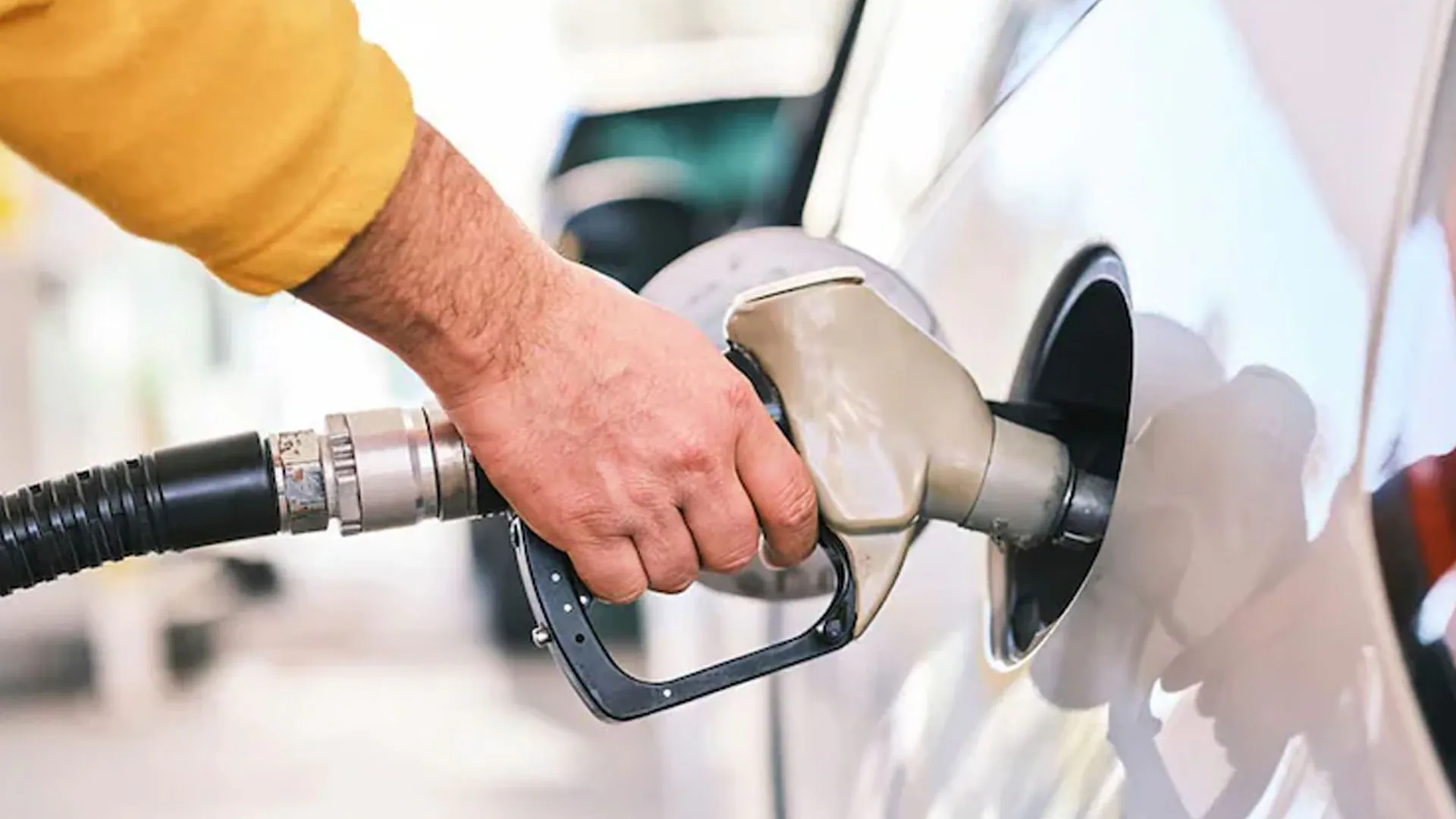

The Supreme Court on Monday dismissed a Public Interest Litigation (PIL) that sought to mandate the availability of ethanol-free petrol (E0) at all fuel stations across the country. The decision was made after the Centre strongly opposed the plea, arguing that it was an attempt to undermine India’s national clean fuel policy.
A bench led by Chief Justice of India Bhushan R. Gavai and Justice K. Vinod Chandran refused to entertain the petition filed by Akshay Malhotra. Representing the government, Attorney General R. Venkataramani, firmly stated that the petitioner was merely a “name-lender” for a “lobby” trying to derail the nation’s ethanol-blending program. The court, after a brief hearing, simply said, “Dismissed,” declining to interfere with the policy.
The Petitioner’s Arguments for Consumer Choice
Appearing for the petitioner, senior advocate Shadan Farasat argued that the plea was not against the government’s ethanol-blending drive itself. Instead, it was an appeal to ensure consumer choice and protect vehicle owners from potential mechanical damage.
Farasat cited a 2021 NITI Aayog report, which he claimed acknowledged the issues faced by owners of older vehicles that are not compatible with E20 fuel (20% ethanol blend). He pointed out that only vehicles manufactured after April 2023 are compliant with E20 petrol. For vehicles produced earlier, the exclusive sale of blended fuel poses a “mechanical risk and economic burden.” The petition also highlighted studies that suggest a potential fuel efficiency drop of up to 6% when E20 is used in incompatible vehicles.
The PIL had specifically requested the court to:
- Mandate the availability of ethanol-free petrol (E0) alongside blended fuel.
- Require clear labeling of ethanol content at all retail outlets to inform consumers.
- Direct a nationwide impact study on vehicle performance and degradation caused by the use of blended fuel.
Centre’s Stance: National Policy and Economic Benefits
Attorney General Venkataramani vehemently opposed the petition. He argued that India’s ethanol program is a matter of national policy, and its benefits are crucial for the country’s energy and economic security. He highlighted that the policy is a “win-win” as it benefits sugarcane farmers, reduces the nation’s dependence on crude oil imports, and saves precious foreign exchange. “Will people outside the country dictate what kind of fuel India should use?” the AG questioned, suggesting external interests were behind the plea.
The government’s stance is that the ethanol program is an environmental and economic necessity. India achieved its 20% ethanol blending target five years ahead of schedule in April 2023, a significant step toward reducing carbon emissions. While critics have raised concerns about compatibility issues for older vehicles, potential engine corrosion, and efficiency losses, the Ministry of Petroleum and Natural Gas has consistently defended the policy. The Ministry has clarified that the efficiency drop is marginal—1-2% for newer vehicles and 3-6% for older models—and has also stated that vehicle insurance validity is not affected by the use of E20 fuel.
The dismissal of the PIL solidifies the government’s position, leaving millions of owners of older vehicles with no option but to use the blended fuel.