

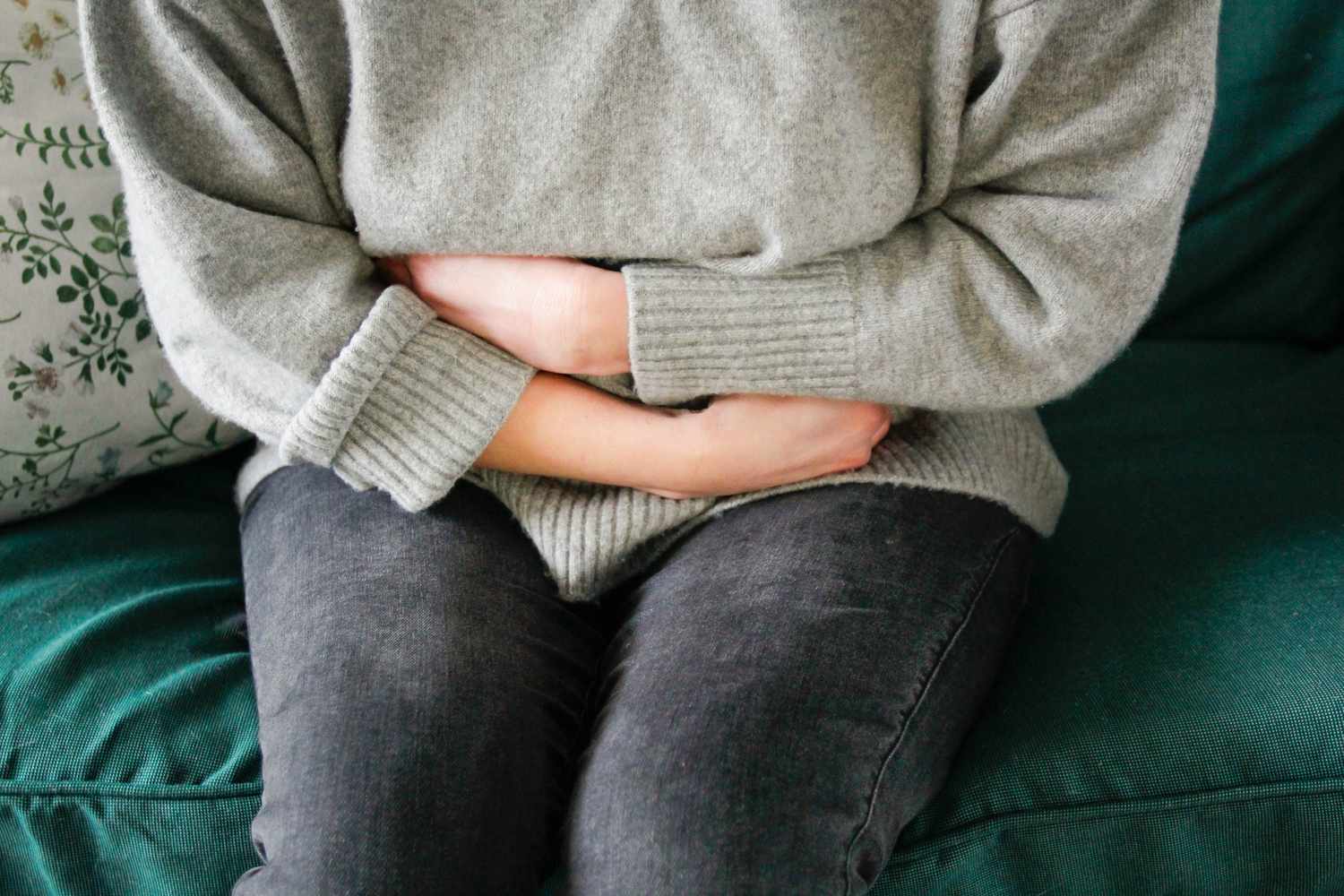

Frequent bloating, constipation, abdominal discomfort or unpredictable bowel habits after meals are often brushed aside as minor digestive issues. However, according to integrative lifestyle expert Luke Coutinho, one of the major underlying causes behind such persistent discomfort could be SIBO — Small Intestinal Bacterial Overgrowth.
In a recent Instagram post, Coutinho highlighted that SIBO is commonly misunderstood.
“SIBO is not a deficiency of good bacteria; it’s bacteria in the wrong place,” he wrote.
What Is SIBO?
SIBO occurs when bacteria that normally belong in the large intestine (colon) overgrow in the small intestine. The small intestine plays a critical role in breaking down food, absorbing nutrients and moving digestive contents forward.
When excess bacteria populate this region, it leads to early fermentation of food. This can result in:
- Nutrient malabsorption
- Excess gas production
- Toxin formation
- Gut irritation
- Slowed intestinal motility
Over time, this imbalance can trigger a wide range of digestive and systemic symptoms.
Common Symptoms of SIBO
According to Coutinho, the condition may present with:
- Severe bloating
- Abdominal distension
- Constipation or diarrhoea
- Excessive gas
- Abdominal pain
- Early satiety (feeling full quickly)
- Increasing food intolerances
- Fatigue
- Nutrient deficiencies (including Vitamin B12, iron and fat-soluble vitamins)
Lesser-Known Systemic Symptoms
SIBO doesn’t just affect digestion. Some symptoms may be subtle and easily overlooked, including:
- Brain fog
- Anxiety or low mood
- Skin issues
- Joint pain
These systemic signs can often delay proper diagnosis because they are not immediately linked to gut health.
What Causes SIBO?
Coutinho outlines several root causes behind the condition:
1. Impaired Gut Motility
Chronic stress, diabetes, hypothyroidism, ageing and post-infection states can weaken the Migrating Motor Complex (MMC) — a cleansing wave that clears bacteria and food debris between meals. When MMC function is compromised, food and bacteria stagnate, creating an environment for overgrowth.
2. Low Stomach Acid
Long-term use of proton pump inhibitors (PPIs), ageing and zinc deficiency can reduce stomach acid levels. Since stomach acid acts as a natural barrier against bacteria, lower levels allow microbes to survive and migrate into the small intestine.
3. Poor Bile or Pancreatic Enzyme Flow
Inadequate bile or digestive enzymes leave food partially digested, which becomes a breeding ground for bacterial growth in the small intestine.
4. Functional or Structural Issues
Physical or functional abnormalities such as prior abdominal surgeries, adhesions, Irritable Bowel Syndrome (IBS), or diverticula may trap bacteria in the small intestine, encouraging overgrowth.
How Is SIBO Diagnosed?
SIBO is typically diagnosed through a breath test. The individual consumes a sugar solution (usually lactulose or glucose), and breath samples are collected over time to measure hydrogen and methane levels — gases produced by bacteria during fermentation.
Treatment Approach for SIBO
Coutinho cautions that probiotics may sometimes worsen symptoms if used prematurely in SIBO cases. Treatment often involves a strategic, step-by-step approach:
- Managing diet and reducing fermentable foods
- Optimising stomach acid, bile and enzyme levels
- Using herbal or pharmaceutical antimicrobials where appropriate
- Restoring gut motility
- Repairing the gut lining
- Introducing probiotics only after bacterial overgrowth is cleared and motility improves
Important Disclaimer
This content provides general information only and is not a substitute for professional medical advice. Always consult a qualified healthcare practitioner for diagnosis and treatment tailored to your condition.