

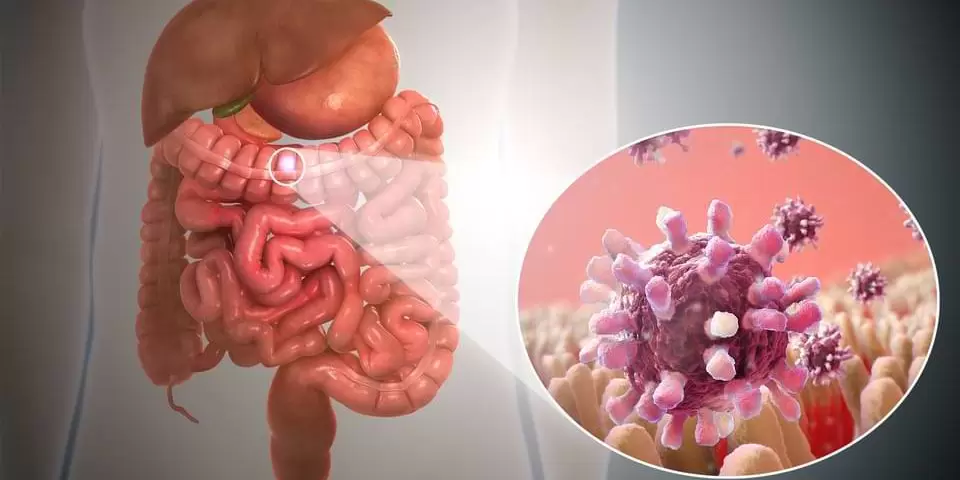

Stomach cancer, medically known as gastric cancer, occurs when abnormal cells begin to grow uncontrollably in the lining of the stomach. While it can develop in any part of the stomach, it most commonly arises in the central portion known as the stomach body.
According to the World Cancer Research Fund, stomach cancer is the fifth most common cancer worldwide. It ranks as the fourth most common cancer in men and the seventh most common in women. In 2022 alone, there were 968,784 new cases globally — highlighting the significant burden of this disease.
One of the biggest challenges with stomach cancer is that it often develops slowly. Early symptoms can easily be mistaken for common digestive issues like acidity, indigestion, or occasional stomach discomfort. However, recognizing persistent or unusual symptoms early can lead to faster diagnosis and better treatment outcomes.
Here are seven warning signs of stomach cancer you should not ignore:
1. Persistent Indigestion or Heartburn
Occasional acidity or a burning sensation in the upper abdomen is common and usually harmless. However, when indigestion becomes frequent, persistent, or unresponsive to usual remedies, it may signal something more serious.
In stomach cancer, the discomfort is typically felt just above the navel (upper-mid abdomen). It may continue for weeks or months and may not improve with antacids or lifestyle adjustments. When indigestion repeatedly returns without a clear cause, it deserves medical evaluation.
2. Feeling Full After Very Small Meals
While occasional early fullness is normal, a consistent pattern of feeling excessively full after eating small portions can be concerning.
In gastric cancer, a tumor growing in the upper or middle stomach may reduce available space or partially block food passage. As a result, even small amounts of food can create a sensation of tightness, heaviness, or uncomfortable fullness. If you frequently find yourself unable to finish meals because of this feeling, it should not be ignored.
3. Unexplained Weight Loss
Unintentional weight loss without dieting, increased physical activity, or lifestyle changes is always a red flag.
In stomach cancer, weight loss may occur gradually as the tumor interferes with digestion and nutrient absorption. Appetite may decrease, and the body may not efficiently absorb calories and nutrients. Over time, this can lead to visible thinning, muscle loss, weakness, and fatigue.
Weight loss becomes especially concerning when accompanied by symptoms like persistent indigestion, abdominal pain, or early satiety.
4. Constant Abdominal Pain or Discomfort
A dull, persistent ache in the upper abdomen is another potential warning sign.
Unlike temporary cramps from a heavy or spoiled meal, cancer-related pain tends to linger and may gradually worsen. It is usually located above the navel and may feel more intense after meals or at night. The discomfort can be caused by the tumor itself, irritation of the stomach lining, or pressure on surrounding organs.
5. Nausea, Vomiting, or Vomiting Blood
Frequent nausea or repeated vomiting — especially after eating — may indicate a blockage or irritation in the stomach.
If a tumor narrows the stomach outlet, food may not pass through properly, leading to repeated vomiting. Vomiting blood, or vomit that resembles coffee grounds, is a medical emergency. This appearance suggests bleeding in the upper digestive tract, which can occur when a tumor erodes the stomach lining.
Immediate medical attention is essential if these symptoms occur.
6. Loss of Appetite and Fatigue
A noticeable loss of appetite is common in people with stomach cancer. Foods that were once appealing may no longer be desirable, and overall food intake may decrease significantly.
At the same time, individuals may feel unusually tired, weak, or short of breath. This fatigue can result from anemia — a condition caused by chronic internal bleeding in the stomach. Anemia reduces the body’s ability to carry oxygen effectively, leading to persistent exhaustion.
7. Black or Tarry Stools or Blood in Stool
Black, tarry stools are often a sign of bleeding from the upper digestive tract, including the stomach. As blood passes through the intestines, it darkens, giving stool a black or sticky appearance.
Slow internal bleeding from a stomach tumor may not always be obvious but can still lead to anemia, pale skin, weakness, and breathlessness. Visible red blood in the stool is also a serious warning sign that requires urgent medical evaluation.
Why Early Detection Matters
Because early symptoms of stomach cancer mimic common digestive complaints, many people delay seeking medical advice. However, persistent or worsening symptoms — especially when multiple signs appear together — should not be ignored.
Early detection significantly improves treatment success and survival rates.
Disclaimer: This content provides general health information only and is not a substitute for professional medical advice. Always consult a qualified healthcare provider if you experience persistent or concerning symptoms.