

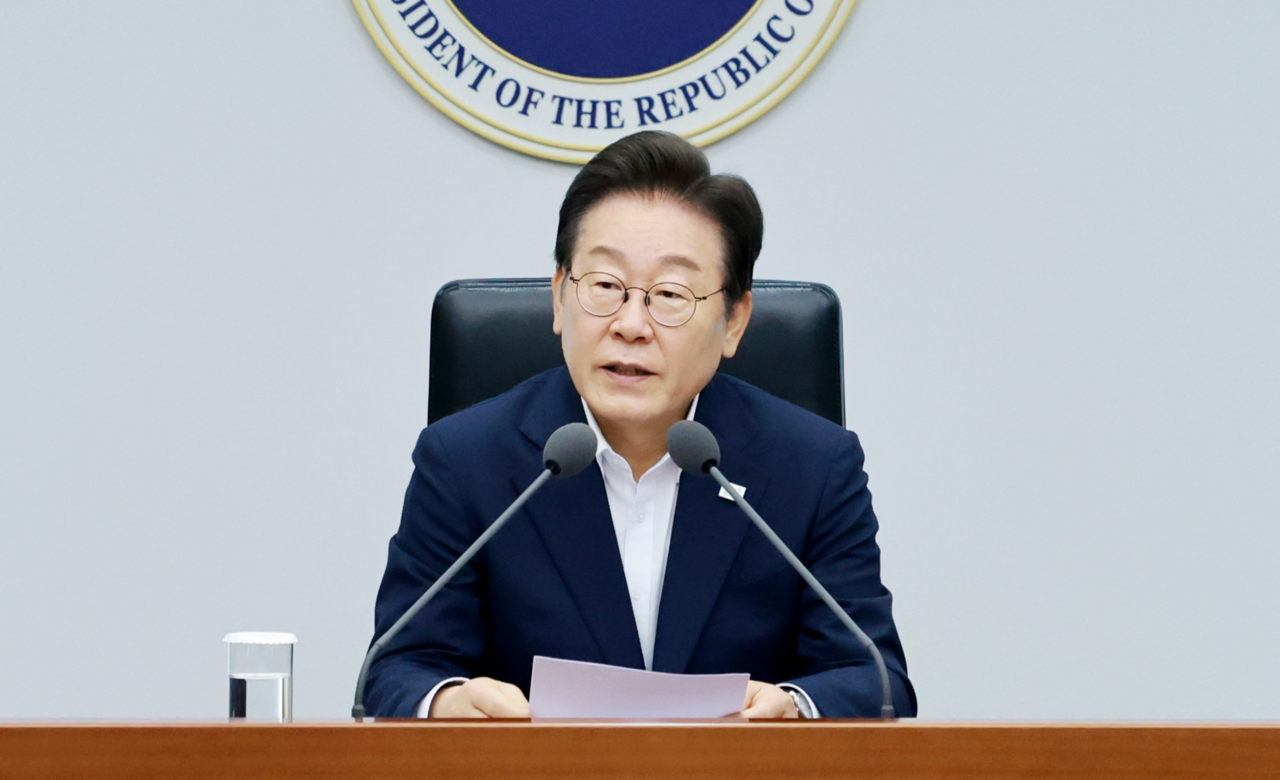

SEOUL – South Korean Foreign Minister Cho Hyun announced on Friday that the government is actively working to resolve visa-related issues for Korean workers in the United States. His remarks come on the heels of a recent U.S. immigration raid that led to the arrest of hundreds of South Korean workers at a Hyundai Motor battery plant in Georgia. The incident has caused significant concern in Seoul and has prompted calls from South Korean companies for a new visa category to facilitate the transfer of skilled workers to the U.S.
The majority of the detained workers have since returned to South Korea, but the incident highlighted a critical problem for companies expanding their operations in the U.S. South Korean firms are currently embarking on a $350 billion investment package as part of a bilateral trade deal with the United States, and they rely on being able to send specialized workers to help set up new factories and train American employees.
While acknowledging the severity of the issue, Minister Cho Hyun clarified at a press conference that a new visa policy is not a “precondition” for the major U.S. investments to move forward. This statement aims to reassure the U.S. that South Korea is committed to its investment pledge while still emphasizing the need for a solution to the visa problems.
In addition to the visa matter, Minister Cho Hyun touched on other key diplomatic issues. He expressed his expectation that Chinese President Xi Jinping would attend the leaders’ summit at the Asia-Pacific Economic Cooperation (APEC) forum, which South Korea is hosting in late October. The potential attendance of the Chinese leader is a significant development, especially given the current state of relations between the two countries.
Cho, who had recently returned from talks with his Chinese counterpart Wang Yi in Beijing, said he conveyed South Korea’s desire to discuss cultural cooperation. For nearly a decade, China has maintained unofficial restrictions on importing Korean entertainment content, including the globally popular K-pop, in protest of the installation of the U.S.-led missile shield known as the Terminal High Altitude Area Defense (THAAD) system in South Korea. Beijing has long contended that the THAAD system’s powerful radar could be used to spy on its airspace, causing a strain in bilateral relations. Cho’s statement signals a renewed effort to mend these ties and open up the Chinese market to Korean cultural content.
This multi-faceted diplomatic agenda underscores South Korea’s ongoing efforts to navigate complex international relationships while safeguarding its economic interests and the well-being of its citizens abroad.