

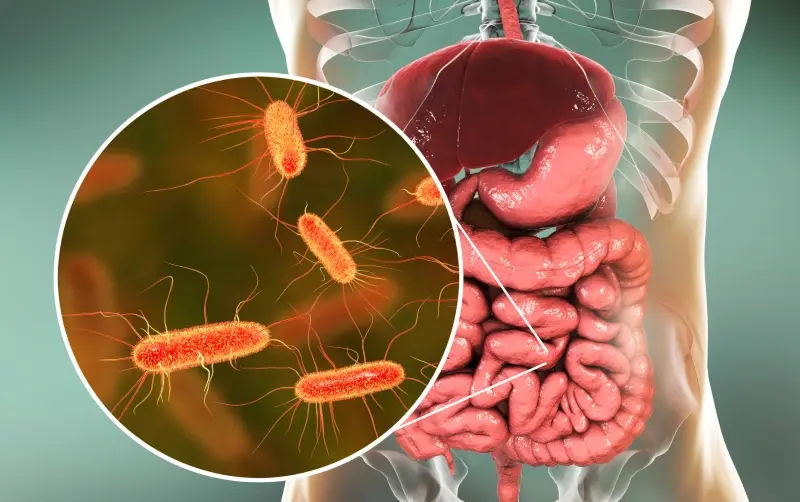

The digestive system is one of the most complex networks in the human body, and its health directly affects overall well-being. Yet, digestive disorders are becoming increasingly common, with many people experiencing persistent and often confusing symptoms. One such condition gaining widespread attention is Small Intestine Bacterial Overgrowth (SIBO) — a disorder in which excessive bacteria accumulate in the small intestine, leading to chronic discomfort.
Nutritionist Rashi Chowdhary recently took to Instagram to shed light on the major symptoms associated with SIBO. In her post, she revealed how recognising early warning signs and making targeted dietary changes can significantly improve gut health.
“Feeling healthy shouldn’t be harder than getting healthy! If you are facing gut issues, comment below your symptoms and I will try to decode them,” she wrote in her caption, encouraging people to be more aware of their digestive patterns.
Common Symptoms of SIBO
SIBO can manifest through a wide range of symptoms, many of which overlap with other digestive disorders, making diagnosis difficult. Some of the most common indicators include:
- Persistent bloating
- Abdominal pain or cramping
- Excessive gas
- Diarrhoea or constipation
- Unexplained weight loss
- Fatigue and sluggishness
- Nutritional deficiencies, especially vitamin B12
- Nausea
- Feeling overly full after small meals
- Changes in stool colour or texture
These symptoms often interfere with daily life, and ignoring them may worsen gut health over time.
SIBO Treatment and Management
While antibiotics are often used as short-term treatment to control bacterial overgrowth, experts emphasise that addressing the root cause is the key to long-term recovery.
Doctors may also prescribe medications to improve gut motility — the wave-like muscle contractions that help move food through the digestive tract. Managing underlying conditions such as diabetes, celiac disease, or Crohn’s disease can further reduce the likelihood of SIBO recurrence.
Dietary Changes That Help
Diet plays a crucial role in reducing symptoms and restoring balance. Some recommended approaches include:
1. Low FODMAP Diet
A scientifically backed plan that restricts fermentable carbohydrates which feed bacteria and cause bloating. This should only be followed with guidance from a certified dietitian.
2. Short-Term Liquid Diet
In severe cases, doctors may suggest a nutritionally complete liquid diet to allow the digestive system to rest while still receiving essential nutrients.
3. Lifestyle Modifications
- Regular physical activity
- Stress-reduction techniques
- Adequate hydration
- Mindful eating to support gut motility
Experts say that with proper diagnosis, personalised treatment, and consistent dietary care, patients can experience long-lasting relief from SIBO.
Understanding both the symptoms and root causes is the first step toward regaining digestive strength. With expert support and mindful nutrition choices, managing this often misunderstood condition becomes far more achievable.
Disclaimer: This content, including advice, provides general information only. It is not a substitute for a qualified medical opinion.