

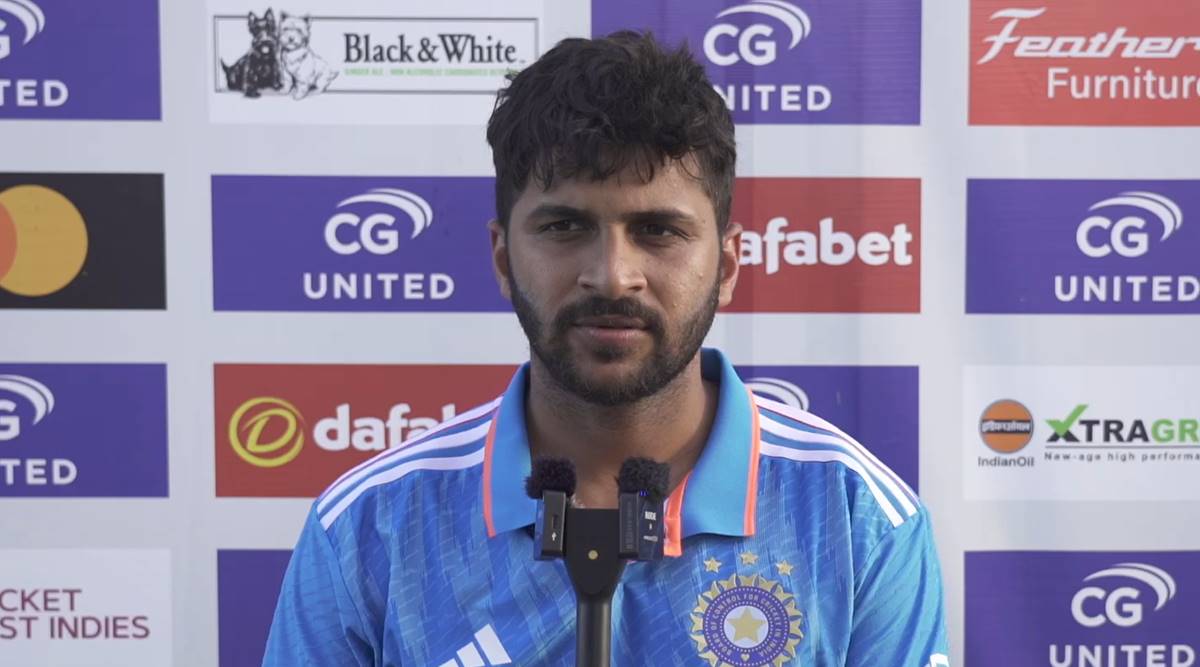

BENGALURU — The controversial topic of “workload management” in Indian cricket has come up again, with bowler Shardul Thakur defending players who choose to skip matches and series. Thakur’s comments came after star pacer Jasprit Bumrah got a lot of flak for missing two games in the current five-match Test series against England.
Thakur, who is 33 years old and captained the West Zone in the Duleep Trophy quarterfinal, spoke out in support of his fellow players. “These questions are helpful. No one ever comes up to us and asks how our bodies feel after playing for so long. He remarked, “A lot of the time we are taken for granted,” pointing out that people don’t appreciate how hard the sport is physically.
Thakur said that players need a “cooling off period” because of their busy schedules at home and abroad, which include competitions like the Indian Premier League (IPL). He did, however, make it clear that his position is not about avoiding accountability. “I’m not saying that you keep getting out of playing the games.” “But taking breaks every now and then is good for the body,” he said. He also said that “it’s a constant challenge for an athlete to stay fit all year long in modern-day cricket.”
After Jasprit Bumrah, who has hurt his back before, missed the second and fifth Tests against England, the national issue about managing workloads became a national conversation. Some former cricketers and fans questioned his dedication to the national team, but the move was apparently coordinated by the team management and the BCCI’s medical staff to make sure he stays healthy for a long time.
Thakur, who has been busy playing in local tournaments, the IPL, and two Tests in the England series, said that a player’s perspective must alter as soon as they foot onto the pitch. He said, “Once you’re in the game, you can’t talk about managing your workload because the game situation takes over.” “Give it your all, no matter what you have in your tank.”
He ended by talking about the difference between working hard in the game and resting off the field. “You shouldn’t be afraid to come in and hit the deck hard in the game. When you’re resting at home or taking breaks between games, that’s when you try to manage your bodies and your load,” he said, giving a balanced view on how to handle a modern-day cricketer’s busy schedule.