

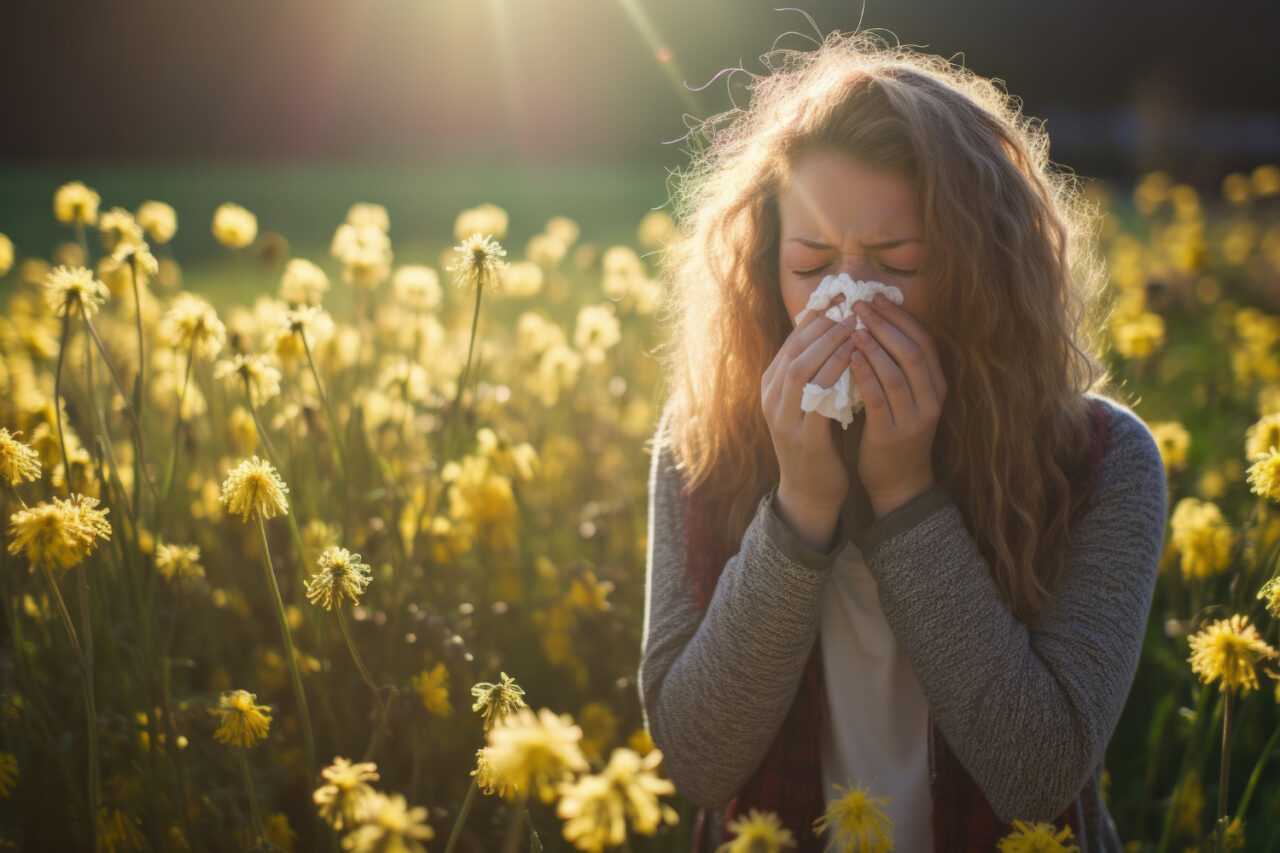

As temperatures rise and the seasons shift across the country, many people begin to experience symptoms of seasonal allergies. Although the changing weather may feel pleasant, it also leads to a rise in airborne allergens such as pollen, mold and dust.
Seasonal allergies, medically known as Allergic Rhinitis, occur when allergens in the air irritate the eyes, nose and throat, triggering an allergic reaction. Commonly referred to as hay fever, this condition can cause symptoms such as sneezing, nasal congestion, watery eyes and throat irritation.
During this time of the year, pollen levels tend to increase significantly in the environment, which often becomes the primary trigger for allergy symptoms. Experts suggest taking preventive measures during seasonal changes to reduce exposure to allergens and avoid flare-ups.
Below are some practical tips that can help protect you from seasonal allergies.
1. Monitor Pollen Levels Regularly
Keeping track of pollen levels is one of the most effective ways to protect yourself during seasonal changes.
Tree pollen typically increases rapidly when temperatures begin to rise. Pollen levels are usually highest in the morning and can remain elevated until the afternoon before gradually declining in the evening.
To reduce exposure, it is advisable to stay indoors when pollen levels are high and plan outdoor activities for later in the day when levels are lower.
2. Keep Windows Closed And Use Air Conditioning
Open windows can allow allergens such as pollen and dust to enter your home. During high-pollen seasons, it is recommended to keep windows closed to prevent allergens from circulating indoors.
Using fans and air conditioners can help maintain comfortable indoor temperatures without allowing outside allergens inside. In vehicles, using cabin air filters and keeping vents closed while driving can also reduce allergen exposure.
3. Shower And Change Clothes After Coming Indoors
Pollen particles easily stick to hair, skin, eyelashes and clothing, often going unnoticed.
Taking a shower immediately after returning home can help wash away these particles. Using lukewarm water and soap is recommended to remove allergens without drying the skin.
It is also helpful to change into clean clothes and place the worn clothes directly into the laundry to prevent pollen from spreading inside the house.
4. Use HEPA Air Purifiers At Home
High-efficiency particulate air (HEPA) purifiers are highly effective in improving indoor air quality.
These purifiers can capture up to 99.97% of airborne particles as small as 0.3 microns, including pollen and dust. Placing air purifiers in frequently used areas such as bedrooms and living rooms can help maintain cleaner indoor air.
Running air purifiers continuously during peak allergy seasons and combining them with dehumidifiers to maintain indoor humidity below 50 percent can further reduce allergen levels.
5. Maintain A Clean Home Environment
Dust and pollen particles tend to settle on surfaces such as carpets, rugs and upholstery.
Regular cleaning can significantly reduce allergen accumulation. Experts recommend vacuuming carpets and furniture weekly using a vacuum cleaner equipped with a HEPA filter.
Floors should be mopped with a damp mop to trap dust, while bedding such as sheets, pillowcases and blankets should be washed in hot water every few days. It is also advisable to avoid drying laundry outdoors during high-pollen periods.
6. Take Precautions During Outdoor Activities
If you need to spend time outdoors for work or daily activities, taking protective measures can help limit exposure to allergens.
Wearing N95 masks can block up to 95 percent of airborne particles. Wraparound sunglasses can protect the eyes from pollen, while wide-brim hats can shield the face.
On windy or dry days, covering the nose with a lightweight scarf can provide an additional layer of protection.
7. Stay Well Hydrated And Eat Anti-Inflammatory Foods
Proper hydration plays an important role in supporting the body’s immune system.
Drinking enough water helps maintain overall health, and adding lemon or cucumber to water may boost vitamin C intake. Vitamin C is known to support immunity and may help reduce allergic responses.
Certain foods may also help control inflammation, including turmeric milk, ginger tea and garlic-based dishes. Foods rich in omega-3 fatty acids, such as flaxseeds and walnuts, may also help regulate immune reactions and reduce inflammation.
8. Consider Preventive Medications
Doctors often recommend starting preventive medications before allergy symptoms become severe.
Using antihistamines or nasal sprays about two weeks before peak allergy season—often around late February—can help reduce the intensity of symptoms. Starting treatment early may help prevent frequent sneezing, congestion and other allergy-related discomfort.
Disclaimer
This content provides general information only and should not be considered a substitute for professional medical advice. Always consult a qualified healthcare professional for diagnosis and treatment of any medical condition.