

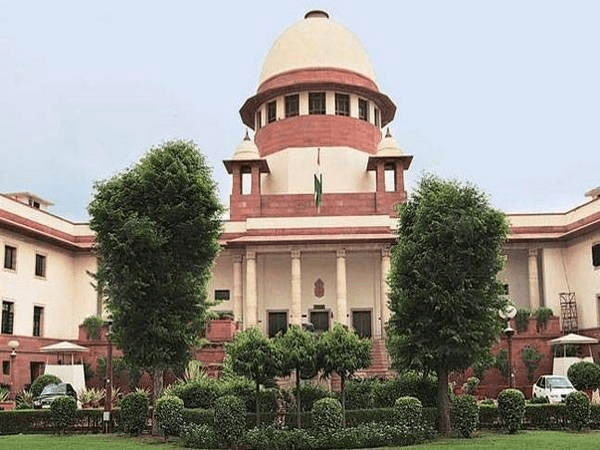

New Delhi [India]: The Supreme Court of India is scheduled to hear on April 16 a batch of petitions challenging the constitutional validity of the Waqf (Amendment) Act, 2025. A three-judge bench, comprising Chief Justice Sanjiv Khanna, and Justices Sanjay Kumar and KV Vishwanathan, will preside over the matter, which is listed as Item No. 13 on the Court’s cause list.
The Central Government has also filed a caveat application in the matter, seeking to ensure that it is heard before any order is passed on the petitions. A caveat is a procedural safeguard used to prevent courts from passing ex-parte orders.
The Waqf (Amendment) Act, 2025, which received Presidential assent on April 5, has sparked significant controversy and drawn widespread criticism. It was passed amid intense debate in Parliament, with opposition from multiple political parties and minority groups who claim the law is discriminatory and infringes on the fundamental rights of the Muslim community.
❗ Key Petitioners Challenging the Act:
- AIMIM MP Asaduddin Owaisi
- Congress MPs Mohammad Jawed & Imran Pratapgarhi
- AAP MLA Amanatullah Khan
- Azad Samaj Party President Chandra Shekhar Azad
- SP MP Zia Ur Rehman Barq
- RJD MPs Manoj Jha, Faiyaz Ahmad and MLA Muhammad Izhar Asfi
- DMK MP A Raja
- Jamiat Ulema-i-Hind President Maulana Arshad Madani
- Samastha Kerala Jamiatul Ulema
- All India Muslim Personal Law Board (AIMPLB)
- Indian Union Muslim League, SDPI, and NGO Association for Protection of Civil Rights
📜 Key Concerns Raised in the Petitions:
- The Act discriminates against Muslims by imposing restrictions not found in laws governing other religious endowments.
- It dilutes the autonomy of Waqf Boards and enables excessive government control, which could compromise religious freedom.
- Mandatory digitization and timelines for Waqf property registration could endanger historical waqfs created via oral traditions.
- The Act allegedly undermines centuries of jurisprudence, curtails community rights, and erodes the democratic nature of Waqf administration.
In his plea, Asaduddin Owaisi argued that the law “irreversibly dilutes statutory protections” and benefits non-Waqf stakeholders. Amanatullah Khan contended that the Act poses a threat to religious and cultural autonomy, while Jamiatul Ulema and Madani warned it may distort the character of waqfs and threaten their existence.
The All India Muslim Personal Law Board (AIMPLB) called the law arbitrary, exclusionary, and unconstitutional, warning it sets a dangerous precedent for interference in minority religious institutions.
As the nation watches, all eyes will now be on the Supreme Court when it takes up this critical matter on April 16, a decision that could have wide-ranging implications for religious rights, minority autonomy, and constitutional governance.