

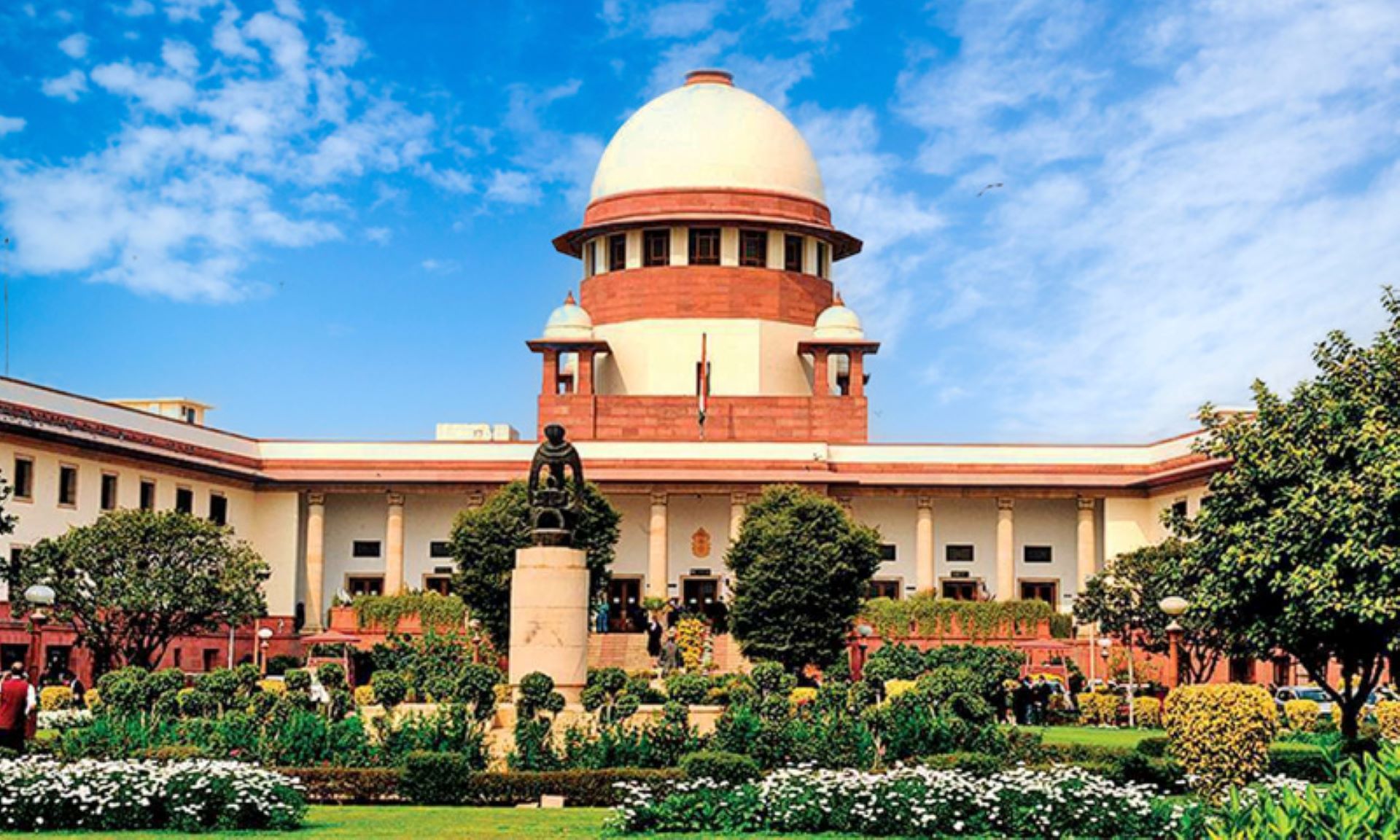

NEW DELHI — In a move to streamline its massive backlog and modernize environmental litigation, the Supreme Court of India on Thursday, March 12, 2026, formally disposed of the iconic 1985 public interest litigation (PIL) filed by environmentalist MC Mehta. The case, Writ Petition No. 13029/1985, served as the backbone of Delhi’s environmental governance for nearly four decades, leading to historic mandates such as the conversion of the city’s bus fleet to CNG and the banning of leaded petrol.
A bench led by Chief Justice Surya Kant clarified that while the specific petition is closed, the court’s vigilance is not. The registry has been directed to open a fresh suo motu (on its own motion) case titled “Issues of Air Pollution in NCR” to carry the torch of judicial oversight forward.
1. A Legacy of Judicial Activism
The MC Mehta case is widely regarded as the most influential environmental litigation in Indian history. It pioneered the concept of “continuous mandamus”—a legal procedure where the court doesn’t just pass a one-time judgment but keeps a case open for years to monitor compliance.
Key milestones achieved under this petition include:
- 1994: Phasing out of leaded petrol across Indian metros.
- 1998: The historic order to convert Delhi’s entire public bus fleet to Compressed Natural Gas (CNG).
- 1998: Constitution of the Environment Pollution (Prevention and Control) Authority (EPCA).
- 2015: Imposition of an Environment Compensation Charge (ECC) on commercial vehicles entering the capital.
- 2023-24: Strict regulations on firecrackers and the push for “green firecrackers” in the NCR.
2. Why Close It Now?
The bench, which included Justices Joymalya Bagchi and Vipul M. Pancholi, noted that the 1985 petition had become cluttered with thousands of “interlocutory applications” (IAs) filed over the decades.
- Statistical Burden: The court expressed concern that carrying 40-year-old “pending” cases creates a misleading impression of judicial delay to Parliament.
- Modern Frameworks: With the creation of the Commission for Air Quality Management (CAQM) and specialized environmental laws, the court felt it was time to move the oversight into a more organized, issue-based framework.
- Future Filing: All pending IAs will now be converted into separate, specific writ petitions categorized under themes like Vehicular Pollution, Industrial Emissions, and Waste Management.
3. Caution Against “External Funding”
In a significant observation, the bench voiced concerns over the potential misuse of PILs. The court remarked that some petitions appeared to be funded by external forces from outside the country, intended to serve specific agendas under the guise of environmentalism.
- The Directive: The court ruled that no new petitions regarding air pollution will be accepted without explicit judicial permission to prevent “motivated” litigation.
The MC Mehta Case: 40 Years of Impact
| Year | Landmark Direction / Achievement |
| 1985 | MC Mehta files PIL (WP 13029) seeking clean air for Delhi. |
| 1998 | Supreme Court orders 100% CNG conversion for Delhi buses. |
| 2001 | Delhi becomes the first city in the world with a completely green public transport fleet. |
| 2015 | SC imposes “Polluter Pays” tax on trucks entering Delhi. |
| 2026 | Case disposed; judicial oversight transitions to suo motu proceedings. |