

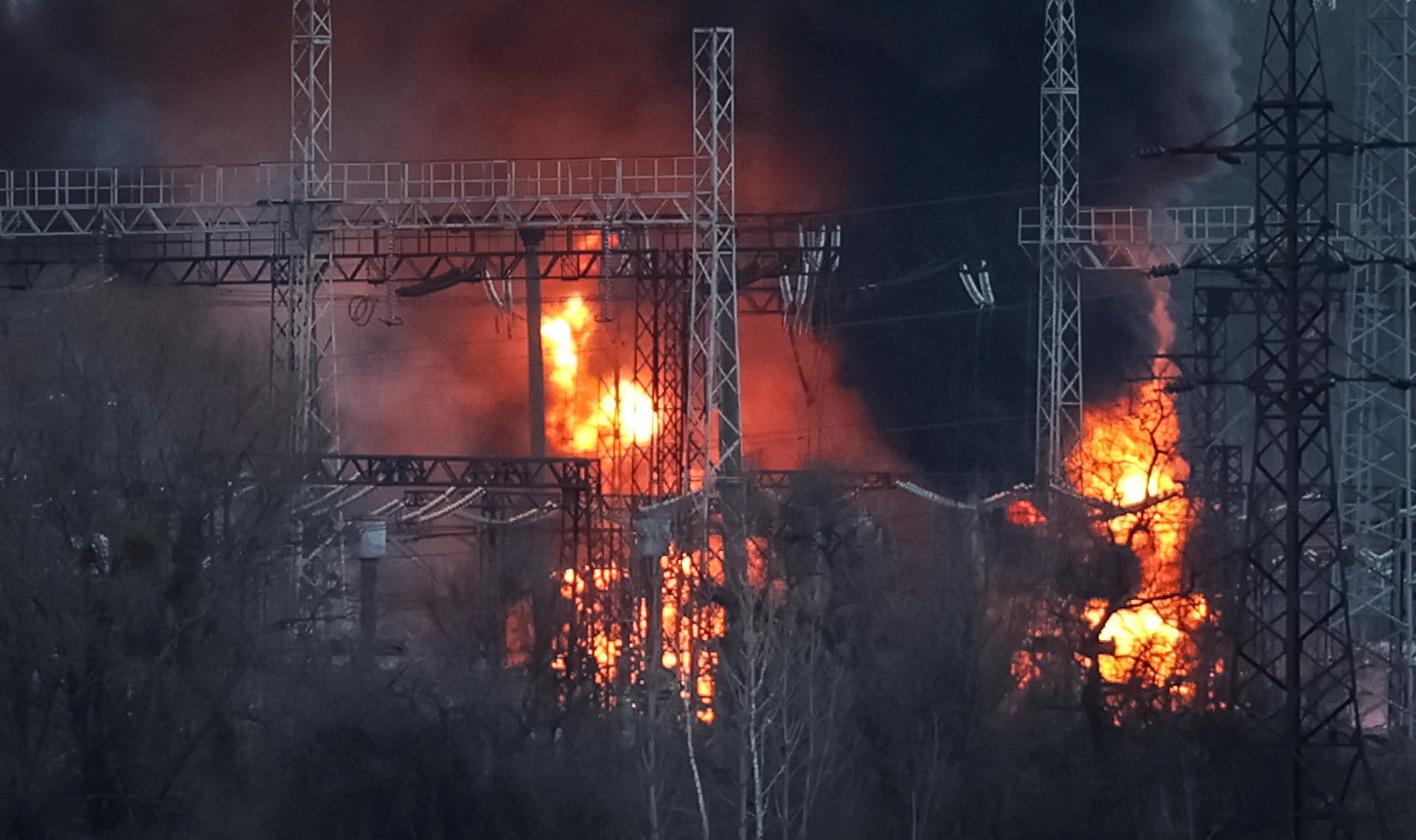

Russia launched a massive overnight assault on Ukraine’s energy infrastructure early Saturday, January 24, 2026, plunging more than a million people into darkness and freezing conditions. The coordinated strike, involving hundreds of drones and rare ballistic missiles, targeted the nation’s power network as temperatures plummeted to -10°C.
Casualties and Urban Impact The attack caused significant casualties across major urban centers:
- Kyiv: One person was killed and four others injured. Nearly 6,000 buildings were left without heating, a dire situation given the sub-zero temperatures.
- Kharkiv: At least 19 people, including a child, were wounded after 25 drones struck multiple districts in the city.
- Chernihiv: Severe damage to the grid left approximately 400,000 residents without power.
A Massive Aerial Incursion According to the Ukrainian Air Force, Russia deployed an arsenal of 375 drones and 21 missiles. Notably, the attack included two Tsirkon hypersonic ballistic missiles, which are seldom used in the conflict. Air defense systems were active throughout the night, with explosions reported in residential areas and near medical facilities.
Winter Weaponized Deputy Prime Minister Oleksiy Kuleba confirmed that over 800,000 people in the Kyiv region alone are currently without electricity. This winter has seen the most aggressive campaign against Ukraine’s energy sector since the 2022 invasion began. For many, electricity is now available for only a few hours a day, complicating access to water and central heating.
Emergency crews are working around the clock to restore services, though Mayor Vitali Klitschko noted that many buildings hit on Saturday had only just had their heating restored following previous strikes earlier this month.
Diplomatic Deadlock The escalation occurred simultaneously with a second day of U.S.-brokered talks between Russian and Ukrainian representatives in the United Arab Emirates. Despite the diplomatic efforts, the intensity of Saturday’s strikes suggests little to no progress has been made toward a de-escalation of hostilities.