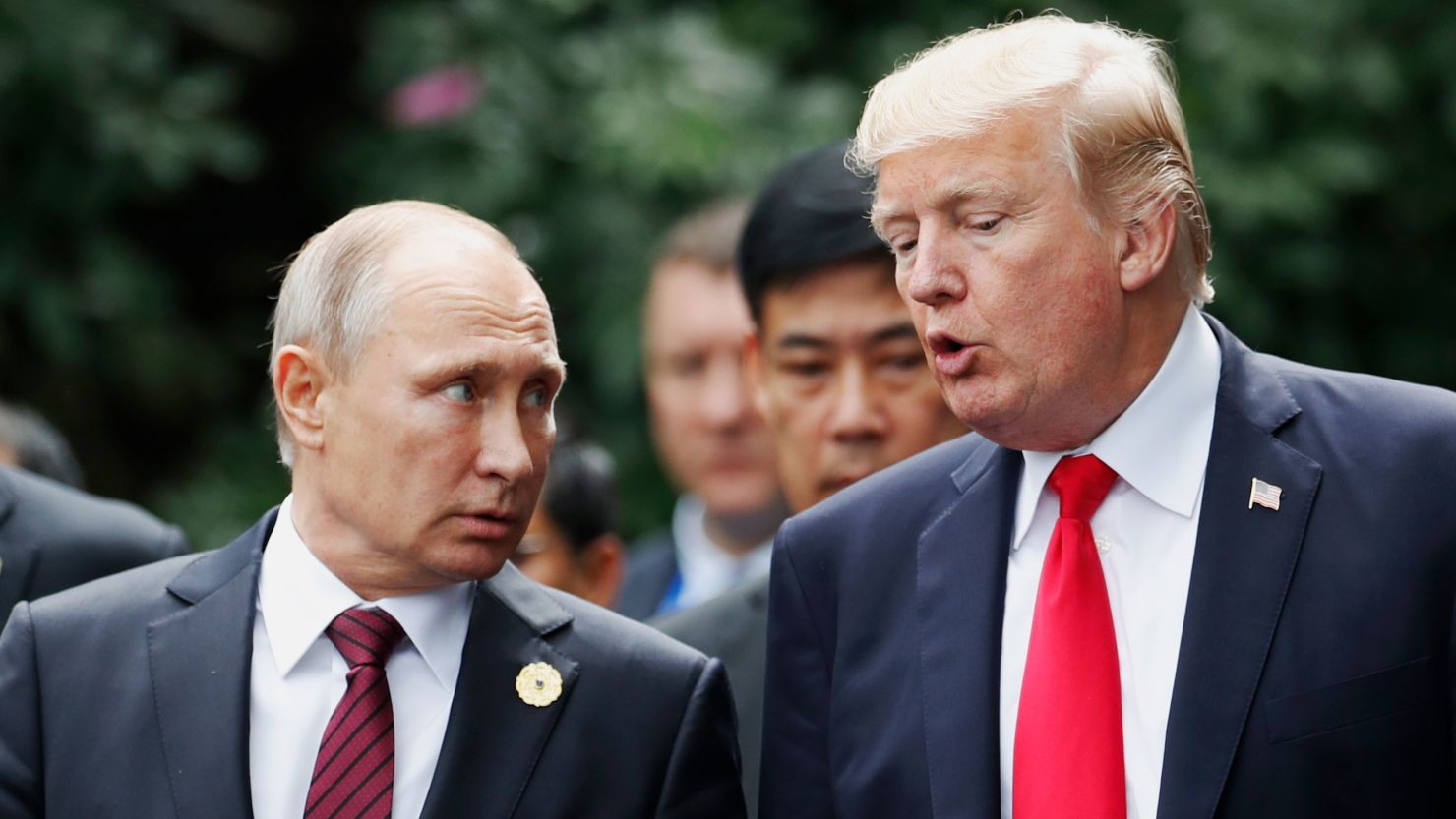
Moscow: Russia on Monday proposed to continue adhering to the nuclear warhead limits set under the New START Treaty after it expires in February 2026—but only for one year and if the United States reciprocates.
The New START treaty, signed in 2010, is the last remaining arms reduction agreement between the world’s two largest nuclear powers. It restricts both nations to a maximum of 1,550 deployed strategic nuclear warheads—a nearly 30 percent reduction from the 2002 limit—and permits on-site inspections of each other’s arsenals. However, inspections were suspended during the COVID-19 pandemic, and talks on extending the treaty have stalled amid tensions over the Ukraine conflict.
Russian President Vladimir Putin emphasized the importance of the treaty, saying in a televised meeting, “Fully abandoning the legacy of this agreement would be, from many perspectives, a mistaken and short-sighted step.”
“To avoid provoking a strategic arms race… Russia is prepared to continue adhering to the central quantitative limitations of the New START Treaty for one year after February 5, 2026,” Putin added.
He stressed that this extension would only be viable if the United States acted similarly and refrained from steps that could undermine the strategic balance.
Russia froze its participation in New START in 2023 but has continued to voluntarily abide by its limits. Monday’s proposal does not include the resumption of inspections, a central feature of the original agreement.
Nuclear Sabre-Rattling and Geopolitics
Heloise Fayet, a research fellow at the French Institute of International Relations, described Putin’s move as an attempt to “control the narrative” following U.S. President Donald Trump’s proposals for denuclearization talks with Russia and China. Fayet also linked the offer to Trump’s plans for a massive U.S. air-defense shield, dubbed the “Golden Dome.”
“What the Russians are implying is that if the Golden Dome project gains credibility, if the Americans commit to it, there will no longer be any limitations under New START,” she told AFP.
U.S.-Russia anti-proliferation talks have deteriorated in recent years. In 2019, the two countries withdrew from the Intermediate-Range Nuclear Forces (INF) Treaty, a landmark 1987 agreement between then-U.S. President Ronald Reagan and Soviet leader Mikhail Gorbachev.
In 2023, Putin revoked Russia’s ratification of the Comprehensive Nuclear Test Ban Treaty, though Moscow committed to maintaining its moratorium on atomic testing. Since Russia’s invasion of Ukraine in February 2022, the Kremlin has engaged in nuclear sabre-rattling, putting its forces on high alert and lowering the threshold for nuclear weapons use.
Despite some easing of tensions since Trump took office, substantive nuclear talks between the two nations remain absent. In August, Trump announced the relocation of two nuclear submarines in response to what he described as “highly provocative” statements by former Russian President Dmitry Medvedev.
Russia Offers One-Year Extension To New START Treaty Limits, Conditional On U.S. Reciprocity