

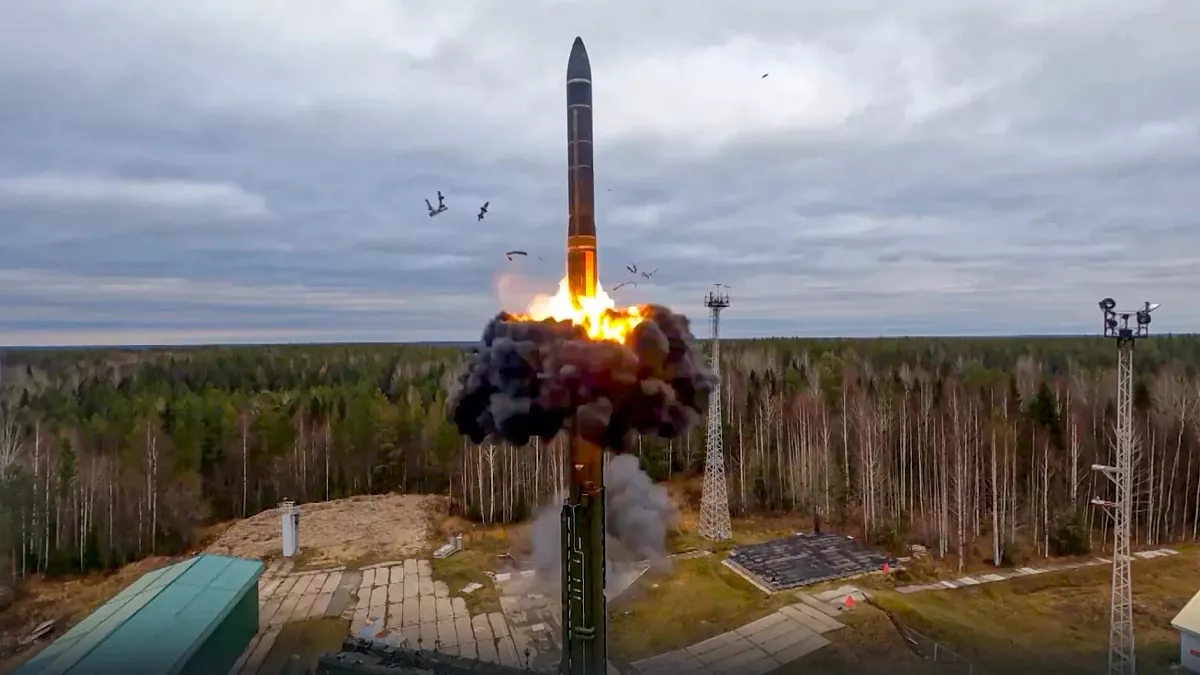

KYIV/LVIV – In a dramatic escalation of the conflict, Russia launched a massive overnight assault on Friday, January 9, 2026, firing its experimental Oreshnik hypersonic missile at a target in western Ukraine near the Polish border. The strike, which hit the Lviv region, is seen as a direct threat to NATO’s eastern flank.
While the Oreshnik targeted critical infrastructure in the west, a swarm of 242 drones and 36 other missiles devastated Kyiv, killing at least four people and cutting off heating and water for hundreds of thousands of residents during a brutal winter freeze.
1. The Oreshnik Strike: A “Test for the Transatlantic Community”
This marks only the second combat use of the Oreshnik (Russian for “Hazel Tree”) following its debut in Dnipro in November 2024.
- The Target: A workshop of a state enterprise in Lviv, roughly 60 kilometers from the border of NATO-member Poland. Russian military bloggers claimed the strike hit a major underground natural gas storage facility.
- Technical Specs: The Ukrainian military recorded the missile’s speed at 13,000 km/h (Mach 10). It is an intermediate-range ballistic missile (IRBM) designed to carry multiple warheads (MIRVs) and is reportedly impossible to intercept with current air defenses.
- Symbolic Warfare: Like the first strike, this missile appeared to carry inert “dummy” warheads, suggesting the launch was a psychological message to Europe and the U.S. rather than a tactical necessity.
“Putin uses an IRBM near the EU and NATO border in response to his own hallucinations—this is truly a global threat.” — Andrii Sybiha, Ukrainian Foreign Minister
2. Humanitarian Crisis in Kyiv
The broader aerial assault targeted the capital’s energy grid as temperatures plummeted to -10°C.
- Casualties: Four people were killed in Kyiv, including Serhiy Smoliak, an emergency medic killed in a “double-tap” strike while helping survivors of an initial drone hit.
- Infrastructure Collapse: Over 500,000 homes lost power. Mayor Vitali Klitschko reported that half of the capital’s apartment blocks were left without heating or water due to damaged utility infrastructure.
- Diplomatic Fallout: A Russian drone strike damaged the Qatari Embassy in Kyiv. Qatar has been a key mediator in prisoner swap negotiations, leading President Zelenskyy to call the damage a “deliberate provocation.”
3. International Condemnation
European leaders have denounced the use of the Oreshnik as “blatant barbarism” and a warning shot directed at the West.
- EU Stance: High Representative Kaja Kallas stated the strike was meant as a “warning to Europe and the U.S.” and urged member states to “dig deeper” into their air defense stocks for Ukraine.
- Germany: Chancellor Friedrich Merz condemned the “threatening gestures” and reaffirmed Germany’s support for Ukraine despite the intimidation.
- UK & France: Prime Minister Keir Starmer and President Emmanuel Macron described the strike as “escalatory and unacceptable,” particularly as it utilized “fabricated allegations” regarding an attack on Putin’s residence to justify the launch.