

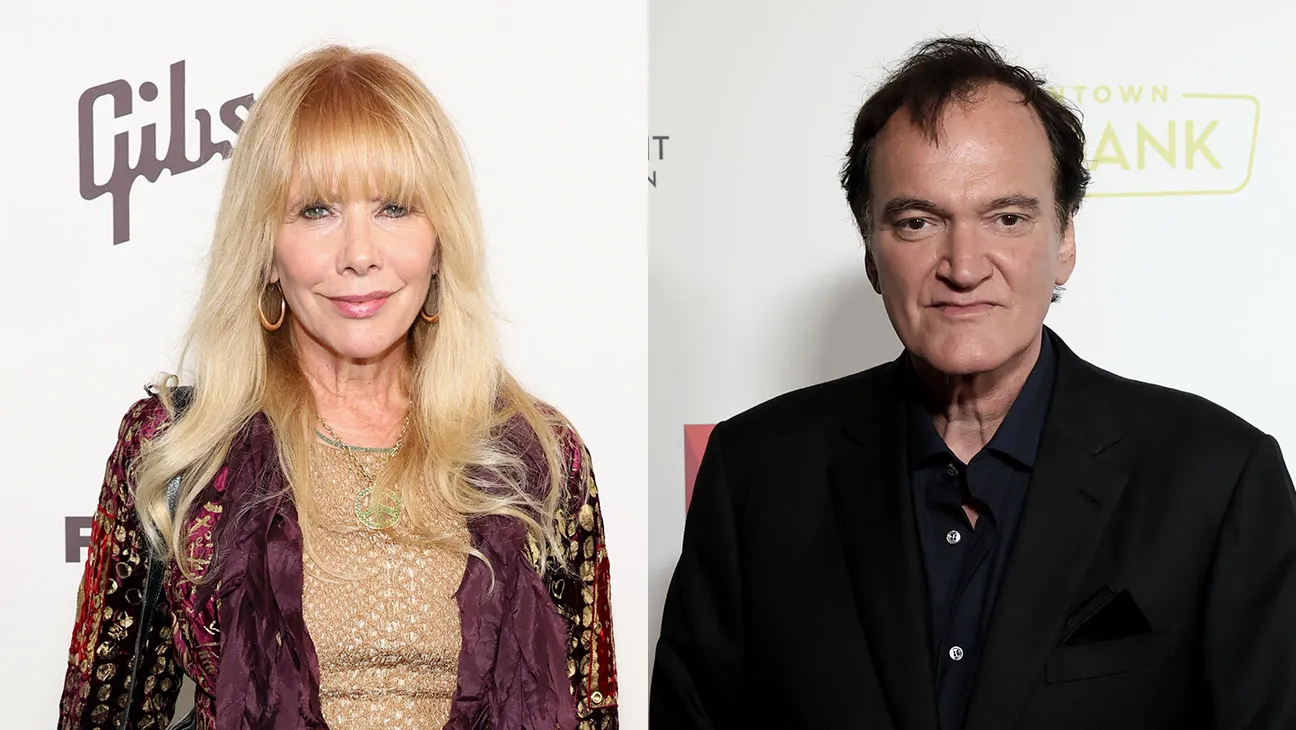

Actress Rosanna Arquette, who played Jody in the 1994 classic Pulp Fiction, has reignited one of Hollywood’s most enduring debates. In a recent interview, she labeled Quentin Tarantino’s frequent use of the N-word as “racist and creepy,” specifically questioning the “hall pass” many critics have given the director over the last three decades.
Arquette’s comments echo decades of criticism from Black filmmakers and actors, while the director himself has consistently defended his scripts as a pursuit of “artistic authenticity.”
The “N-Word” Count: Tarantino’s Filmography
Quantitative analyses of Tarantino’s scripts show that the slur is a recurring element in his dialogue, with the frequency increasing significantly in his later historical dramas.
A Decades-Long Debate: Lee vs. Jackson
The friction over Tarantino’s dialogue has created a rift between some of cinema’s most influential figures:
- Spike Lee (The Critic): As early as 1997, Lee argued that Tarantino is “infatuated” with the word. Lee has stated that the director’s “honorary Black man” status is self-appointed and that the sheer frequency of the slur in Django Unchained felt “disrespectful” to his ancestors.
- Samuel L. Jackson (The Defender): Jackson, a frequent collaborator, has long maintained that the word is used for historical and character realism. He once challenged a white reporter to say the word during an interview to prove that the “uncomfortability” lies with the audience, not the script.
- Lee Daniels: Recently joined the criticism, stating that Tarantino’s dismissal of offended viewers (“go see something else”) is “not the right answer.”
Tarantino’s Stance
The director has remained firm, asserting that a writer’s skin color should not limit their vocabulary. In a 2022 interview, he noted, “If you sift through the criticism, you’ll see it’s pretty evenly divided between pros and cons.” He maintains that sanitizing the language of a racist character in 1858 Mississippi would be “dishonest” filmmaking.