

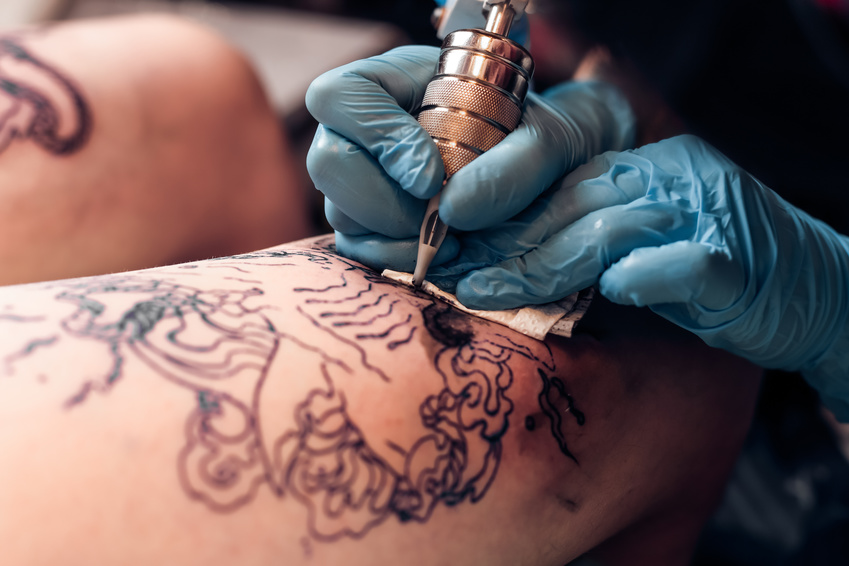

India’s New Delhi- Tattoos and body piercings are becoming more and more popular as ways to express yourself, but doctors are warning people to be aware of the health dangers and take extra care. Doctors are quite worried that people could get serious illnesses, such different types of hepatitis and even HIV, if they don’t observe strict hygiene and safety rules.
Dr. Akhil Deshmukh, a consultant in hepatology and liver transplant at Aster Whitefield Hospital in Bengaluru, and Dr. Anurag Shetty, a medical gastroenterologist at KMC Hospital in Mangaluru, talked about the risks in an interesting interview with HT Lifestyle. They say that hepatitis is when the liver becomes inflamed, which can happen for a number of reasons, including infections.
Getting to Know the Risks: Hepatitis and More
Dr. Shetty goes into more detail on why getting a tattoo is a big risk for spreading infections. “Tattooing is a process in which little needles repeatedly pierce the skin and put dye into the dermis of the skin to make a design that lasts forever. He says, “This can make it more likely that hepatitis (A to E) will spread.” Dr. Shetty says that Hepatitis B and C are the most serious varieties of hepatitis, but all types are a problem. He also says that these surgeries can lead to other serious illnesses, like HIV.
Dr. Shetty says that the main causes of these kinds of transmissions are:
Using needles again: A major risk factor that directly adds risk.
Unsterilized tools: Any tool that touches skin or blood can become a vector.
Shared ink pots that aren’t cleaned: Blood from more than one user can go into ink pots.
Not using gloves: Not using new, single-use gloves during the procedure greatly raises the danger of contamination.
How important it is to be professional and clean
Dr. Deshmukh says that tattoos themselves aren’t harmful, but “the poor hygiene of the tattooing process can lead to dangerous health consequences, such as hepatitis, the possible health effects of which can stay with you for life.” He goes on to say, “Tattoos can cause hepatitis infections, especially hepatitis B and C.” If you get a tattoo in a dirty place, you could get an infection. Hepatitis viruses are found in blood and can be spread via contaminated needles, tattoo ink, or tattooing tools.
The hazards are higher when:
The equipment isn’t clean.
After being taken out of a sealed package, needles can be used again.
People use ink pots again.
Tattooing is done in dirty places, such “roadside stands.”
Dr. Deshmukh warns, “Even a few drops of infected blood can spread the disease.”
He says that professional studios follow very tight cleanliness rules, which lowers the risk a lot. These important things to do are:
Using needles that can only be used once for each client.
Wearing gloves that can only be used once during the whole process.
Cleaning and sanitizing all work locations and tools very well.
Dr. Deshmukh highly suggests that people carefully check these hygiene standards. He ends by saying, “If you can’t tell if their tattooing job can meet these, then the risk of hepatitis and other diseases, like HIV, tetanus, and bacterial skin infections, is higher.” If you want to get a tattoo, it is very important that you find a certified studio that follows all the right sanitation and cleanliness rules.
Are body piercings and tattoo removal safe?
The conversation also included getting rid of tattoos and body piercings. Dr. Shetty says that laser tattoo removal is less likely to spread hepatitis since the laser energy comes from a distance and doesn’t break the skin. But he advises that “if unsterile dressings or unhygienic methods (like not wearing gloves) are used during the procedure, hepatitis could very rarely be passed on.”
The risk of getting hepatitis is thought to be increased with body piercings. Dr. Shetty says, “Body piercing is a procedure that uses a bigger needle to pierce through skin, tissues, and cartilage to make a small hole or tunnel for jewelry to go through.” The danger of hepatitis transmission is higher here since there is more blood exposure. He also says that hepatitis can spread if people share jewelry or wear it after someone else who has hepatitis.
Important Steps to Stay Safe
Both experts stress how important it is to stop something from happening. Dr. Deshmukh says:
Always be sure that the studio where you get your tattoo is certified and follows stringent rules for cleanliness and sterility.
People who already have liver problems or a weak immune system should talk to a hepatologist before getting any tattoos or piercings.
Dr. Shetty ends with an important piece of advice: “If you think you might have been exposed to hepatitis, see a doctor so that steps can be taken to stop the virus from spreading further in the body, like getting an immunoglobulin injection and getting vaccinated against hepatitis B.” But it’s always preferable to stop something from happening than to fix it.
This post is simply meant to give you information and is not meant to be expert medical advice. If you have any health problems or are thinking about making a decision about your health or treatment, always talk to a trained healthcare practitioner first.