

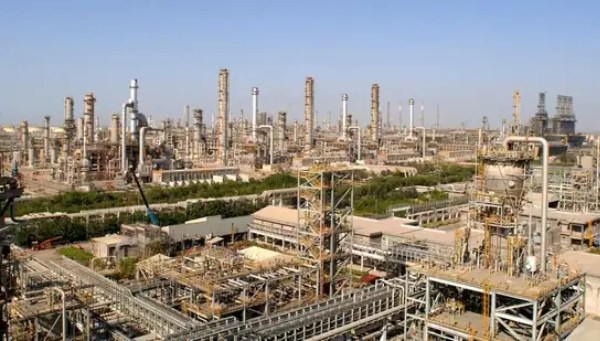

MUMBAI – Reliance Industries Limited (RIL) issued a sharp rebuttal on Tuesday, January 6, 2026, dismissing reports that it is set to receive new shipments of Russian crude oil this month. The energy giant described a recent Bloomberg report—which claimed at least three tankers were headed for RIL’s Jamnagar refinery—as “blatantly untrue.”
In an official statement shared on X, Reliance clarified that its facilities have not received Russian oil in approximately three weeks and have no scheduled deliveries for the remainder of January.
Geopolitical Pressure and the “Trump Factor”
The denial comes amid mounting pressure from Washington. President Donald Trump has repeatedly warned of higher tariffs and sanctions if India continues to purchase oil from Russia, a primary revenue source for the Kremlin.
- The Assurance: Trump claimed in October 2025 that Prime Minister Narendra Modi promised a halt to Russian oil imports.
- The Warning: Earlier this year, Trump suggested India was cutting purchases to “make him happy” but warned that Washington could raise tariffs on New Delhi “very quickly” if the trend reversed.
- RIL’s Shift: In November 2025, Reliance announced it would stop using Russian crude at its export-oriented units to avoid complications with international buyers and sanctions.
India’s Oil Import Landscape: By the Numbers
Despite the friction, India remains a significant energy consumer, shifting its sourcing strategy to balance diplomatic ties with the U.S. and domestic energy security.
| Metric | Value (Nov 2025) | Key Trend |
| Russian Oil Imports | $3.72 Billion | High value, but volumes reportedly fell in Dec 2025 (Kpler). |
| U.S. Oil Imports | $1.44 Billion | Increasing as part of a $25 billion energy commitment. |
| U.S. LPG Deal | 2.2 Million Tonnes | Accounts for ~10% of India’s total LPG imports. |
The Impact of U.S. Sanctions
The recent tightening of U.S. sanctions on Russian energy titans Rosneft and Lukoil has created logistical hurdles for Indian refiners. Reliance’s proactive denial is seen by market analysts as an effort to safeguard its image and maintain its standing in the U.S. market, especially given its significant export-oriented operations.
“We are deeply pained that those claiming to be at the forefront of fair journalism chose to ignore the denial… and published a wrong report tarnishing our image.” — Reliance Industries Statement