

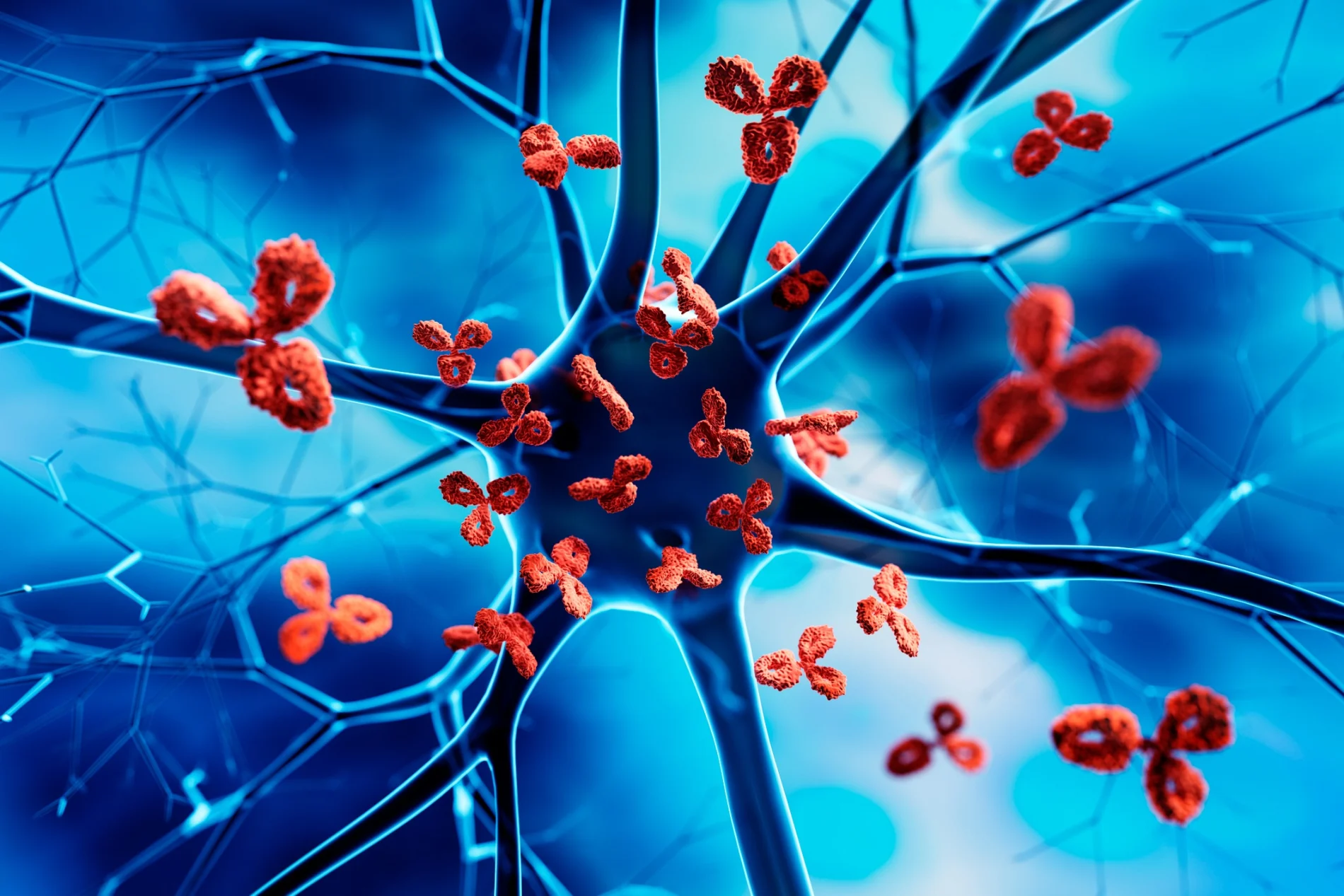

Mary Brunkow, Fred Ramsdell, and Shimon Sakaguchi won the Nobel Prize in Physiology or Medicine on Monday for their discovery of regulatory T-cells (Tregs), a type of immune cell that keeps the body from attacking its own organs by mistake.
This discovery is thought to be very important for learning about autoimmune illnesses, organ rejection, and cancer. However, medicines that are based on it are still being worked on.
Learning about Tregs and the Immune System
T-cells in the immune system look for and eliminate invaders to keep the body safe from infections and aberrant cells. But sometimes T-cells attack healthy tissue, which can cause autoimmune illnesses like lupus and type 1 diabetes.
The Nobel committee called regulatory T-cells the body’s “security guards” because they operate as brakes to stop T-cells from attacking the body itself. People used to think that the thymus gland was completely responsible for this job, but the study of Sakaguchi, Brunkow, and Ramsdell showed that it wasn’t.
What the Laureates Found
Shimon Sakaguchi discovered that animals lacking a thymus may be protected against autoimmune disorders when injected with T-cells from another mouse, indicating that another regulatory mechanism existed outside the thymus.
Mary Brunkow and Fred Ramsdell discovered the FOXP3 gene, demonstrating that its mutation leads to the fatal autoimmune disorder IPEX in humans and the “scurfy” phenotype in mice.
Further studies validated that FOXP3 governs the maturation of regulatory T-cells, enhancing comprehension of immune regulation.
What this means for human health
Regulatory T-cells are very important for:
Severity of autoimmune disease: faulty Tregs make autoimmune diseases worse.
Organ transplantation: They assist keep the body from rejecting transplanted organs.
Tumors can use Tregs to hide from the immune system, which lets them grow out of control.
There are more than 200 clinical trials going on right now that are looking into treatments that target regulatory T-cells, but there are no pharmaceuticals that are widely utilized yet. Sakaguchi expects that the Nobel Prize will speed up the process of turning these discoveries into useful therapeutic applications.