

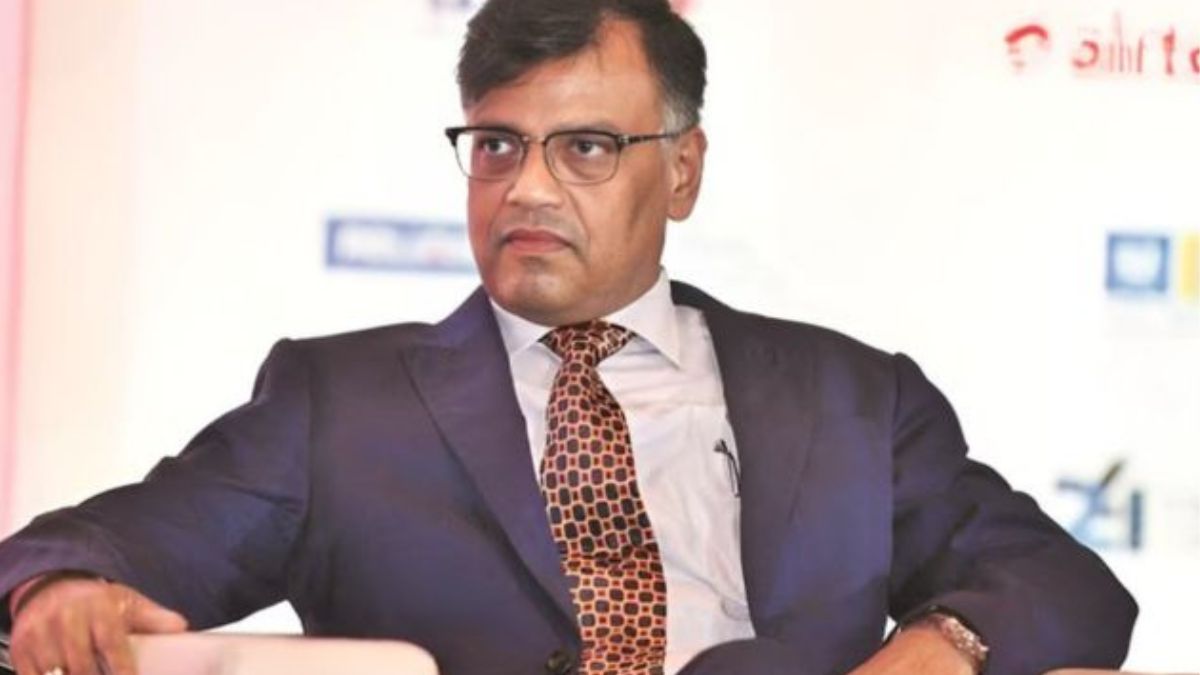

Mumbai: Reserve Bank of India (RBI) Deputy Governor T Rabi Sankar on Friday raised concerns over a rise in digital payment frauds since July 2025, noting that the regulator is analysing whether the increase is cyclical or seasonal in nature.
Speaking at an event hosted by the State Bank of India (SBI) in Mumbai, Sankar said that the number of digital frauds had been declining steadily earlier this year before suddenly climbing again mid-year.
“If you look at frauds per number of transactions, compared to last year, the incidence kept reducing substantially until about July when it again started rising,” Sankar said.
While he did not disclose the extent of the rise, the Deputy Governor hinted that the spike could be temporary or part of a recurring trend.
RBI’s Digital Oversight and New Tools
Sankar highlighted that the RBI has been strengthening its digital infrastructure to counter fraudulent activities. One such initiative is the “Mule Hunter” system, designed to trace and disable conduit accounts used to launder money obtained through digital fraud.
According to the RBI’s Annual Report for FY25, total fraud cases across the financial system fell to 23,953 in FY25, compared to over 36,000 in the previous fiscal year.
Frauds continue to occur predominantly in the digital payments category, which includes card and internet transactions. While private sector banks account for nearly 60% of the fraud cases by number, public sector banks (PSBs) represent over 71% of the fraud value as of the end of FY25.
Banks Must Evolve Beyond Incremental Digitisation
Sankar cautioned that traditional banks face structural vulnerabilities due to their monolithic IT systems, high fixed costs, and legacy compliance structures.
“Incremental digitisation is unlikely to keep banks competitive,” he warned, urging institutions to modernise their core technology to remain relevant in an era dominated by agile fintech companies.
He noted that while fintech firms swiftly leveraged the Unified Payments Interface (UPI) to expand digital adoption, banks failed to anticipate the platform’s potential due to structural rigidity.
“It would be reasonable to assume that banks did not foresee the potential of UPI, while more nimble fintechs could pull it off,” he added.
Digital Currency and Global Shifts
Sankar also spoke about the emerging risks posed by private digital currencies, describing them as “existential threats” to traditional banking models—risks that, he said, are not yet fully understood or debated globally.
He further observed that even the introduction of Central Bank Digital Currencies (CBDCs) could transform banking operations in fundamental ways, urging financial institutions to understand and prepare for these shifts.
On the global front, Sankar remarked that the post-Cold War assumptions of globalisation were eroding, with nations increasingly embracing protectionist policies and restructuring critical supply chains amid geopolitical tensions.