

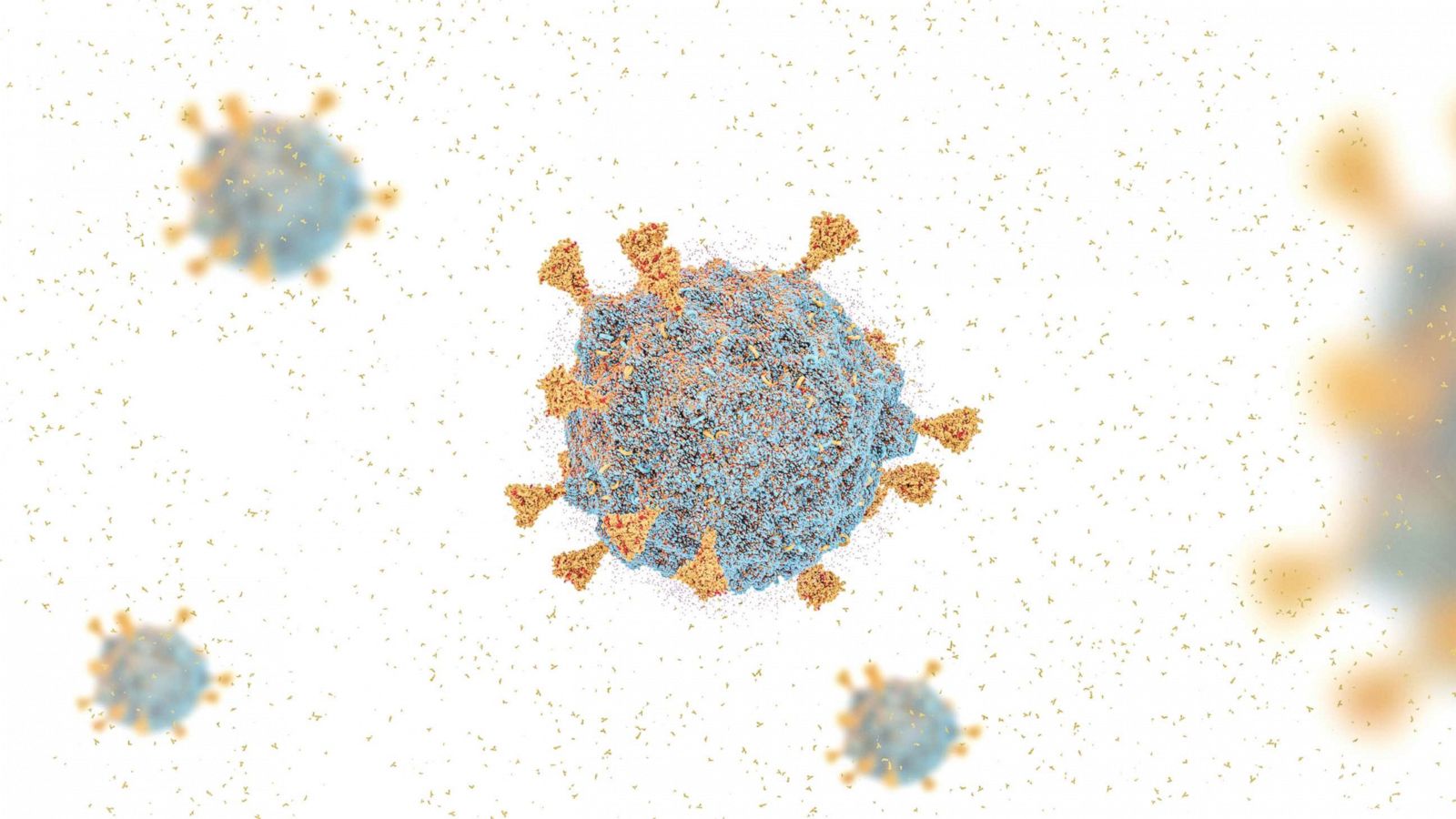

The United States – A novel and quickly spreading variety of COVID-19, informally called the “Nimbus strain” (NB.1.8.1), is currently generating a noticeable rise in cases throughout 26 states in the U.S., including Virginia, North Carolina, and Texas. The latest wastewater and surveillance data from the Centers for Disease Control and Prevention (CDC) confirm this resurgence. It means that there will be a big summer wave of the virus, which experts say is becoming more common. COVID-19 peaks twice a year now, instead of mostly in the winter.
The CDC says that the increase in activity is due to the population’s immunity wearing off and the appearance of this new strain. The Nimbus strain was first found in March 2025. It spreads swiftly and is quickly becoming the most common variety in several places.
What You Should Know About the Nimbus Strain and Its Main Symptom
People commonly say that the Nimbus strain gives them a sore throat that feels like a “razor blade throat.” This is one of its most well-known and painful symptoms. The NB.1.8.1 infection is known for causing this very acute or painful feeling in the throat. Even while the pain can be bad, new data shows that the Nimbus strain doesn’t seem to produce more serious disease or higher rates of hospitalization or death than other COVID-19 strains.
How to Stay Safe During the New Wave: Advice from Experts
Health officials and experts are repeating important steps that people can take to protect themselves and slow the spread of the virus as the Nimbus strain continues to spread widely. Dr. Scott Roberts, an assistant professor at the Yale School of Medicine, said that “the same tools that worked before will still work” against this new variation.
To keep yourself and others safe, here is what you need to know:
receive Boosted: If you haven’t had a COVID-19 vaccination dosage in more than six months, you should definitely receive a booster shot. Medical authorities say not to wait for new autumn boosters, especially for older people and those with weak immune systems who need extra protection.
Wear a mask in crowded places: Wearing a high-quality mask like a N95 or KN95 is still a good idea, especially in crowded indoor areas or places with bad air circulation.
Test and Isolate: Make sure you always have COVID-19 tests at home. Take a test if you start to feel sick or think you might have been exposed to the virus. If the result is affirmative, you must stay away from other people for five days. After the isolation time, wear a mask for five more days to stop the spread of the virus.
Improve Airflow: Better ventilation in indoor spaces can greatly lower the chance of spreading the disease. Using air purifiers and making sure there is good airflow by opening windows can assist.
Wash your hands often with soap and water or an alcohol-based hand sanitizer. This is very important. To keep germs from spreading, don’t touch your face after being in public places.
Keep an eye on symptoms: Watch out for common COVID-19 symptoms such a sore throat, fever, and tiredness. If you start to have symptoms, act fast by being tested and following the rules for staying away from others.
Available Treatments and How Bad It Is Overall
If you do get the Nimbus strain, the same treatments that worked against earlier strains will still work. Antivirals like Paxlovid are likely to keep working because the Nimbus variant hasn’t showed any changes that would make these therapies less effective.
The “razor blade throat” symptom is really unpleasant and has gotten a lot of attention, but health experts still say that the danger of getting very sick from the Nimbus form is negligible on a worldwide scale. But to control this ongoing pandemic, it is very important to be careful and follow public health rules.