

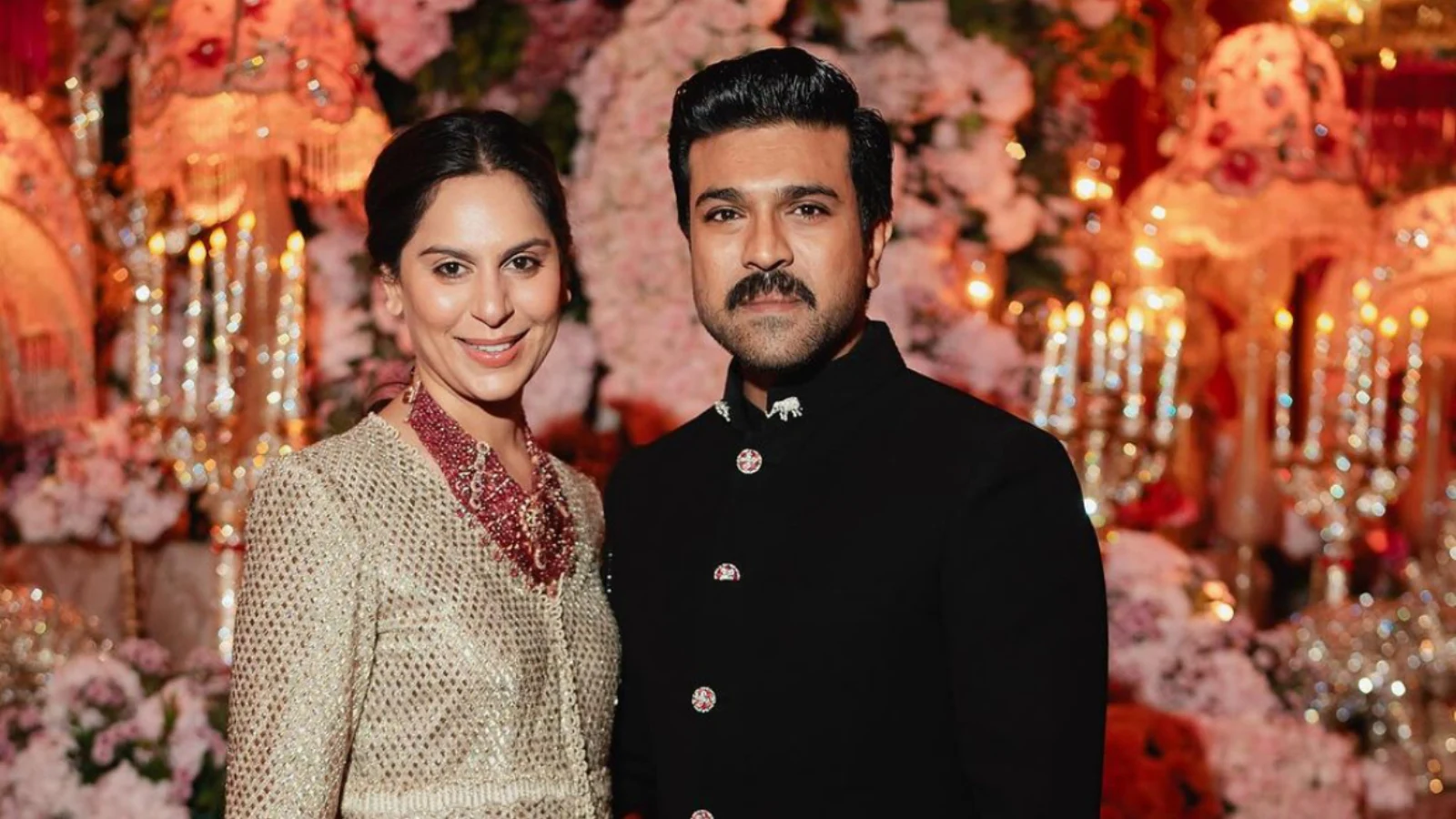

Telugu actor Ram Charan’s wife and entrepreneur Upasana Kamineni has sparked a heated debate after a recent address to students at IIT Hyderabad, where she advocated for egg freezing as a tool for women’s autonomy.
Upasana, who serves as the Vice Chairperson of Corporate Social Responsibility at the Apollo Hospitals Group, told the young audience that saving their eggs is the “biggest insurance” women can have to plan their lives on their own terms, marry, and have children only when they are financially independent.
Accused of ‘Selling’ IVF Business
Her statement quickly drew sharp criticism online, with several social media users accusing her of using her platform to promote her family’s healthcare business and misleading young women about the procedure.
One prominent X user, Swetha Chowdary, directly called out the move as a sales pitch.
Swetha Chowdary: “She is basically selling apollo IVF egg freezing business, by creating a use case of linking Financial independence to kids… She conveniently buried the miscarriage risks after 30 & started soft selling her egg freezing business idea… she is born with golden spoon & got married at 23 !! That’s the irony.”
Other commentators slammed her for being “shameless” and “misleading young women,” cautioning against following the advice, which they claimed ignores the potential pain and risks associated with egg retrieval and the fact that freezing does not guarantee 100% success later on.
Upasana’s Previous Stance
The controversy comes after Upasana has previously spoken openly about her own decision to freeze her eggs early in her marriage with Ram Charan, stating they did so to focus on their careers and achieve financial stability.
However, she has also clarified in previous interviews that she had her first child, Klin Kaara Konidela (born in 2023), naturally, despite having undergone the egg freezing procedure. She emphasized that for her, egg freezing was a “safety net” and an “empowering option” to gain reproductive autonomy.
The debate highlights the growing public tension surrounding elective fertility treatments in India, particularly when promoted by public figures linked to the private healthcare industry.