

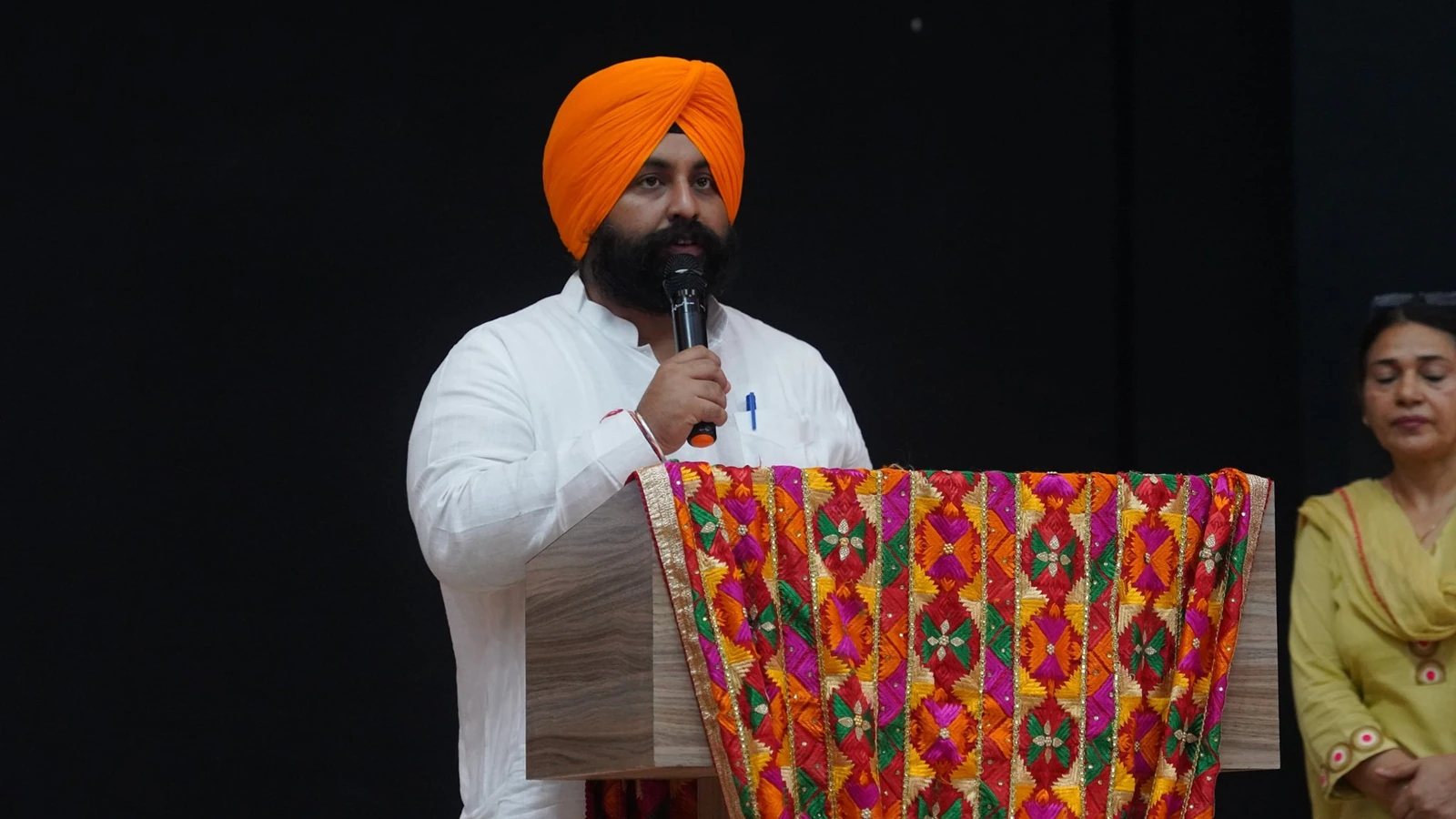

ARNIWALA, FAZILKA (PUNJAB) – Punjab is going to start India’s first evidence-based anti-drug curriculum for school kids on August 1, 2025. This is a big step forward in the fight against drug usage. The program will be opened by Arvind Kejriwal, the National Convenor of the Aam Aadmi Party (AAP), and Bhagwant Mann, the Chief Minister of Punjab, in Arniwala, Fazilka. This is the third phase of the state’s “Yudh Nashian De Virudh” (War Against Drugs) campaign.
Harjot Singh Bains, the Minister of School Education, said that the full curriculum will be taught to about 8 lakh students in Classes 9 to 12 in 3,658 government institutions across Punjab. More than 6,500 certified teachers are ready to teach the program, which will make sure that it is used by a lot of people.
Created with the help of a Nobel Prize winner
The curriculum was made possible by a lot of work with Professor Abhijit Banerjee’s J-PAL South Asia and other top behavioral scientists. It is specifically designed to provide pupils the tools they need to avoid using drugs, understand the risks, and make smart choices. The focus is on prevention through education rather than just legal enforcement.
There will be 35-minute interactive sessions every two weeks for the 27-week curriculum. These classes will use a variety of interesting materials, such as documentaries, quizzes, posters, and group exercises. The goal is to get rid of false beliefs about drug use, talk about how to deal with peer pressure, and teach young people how to make better choices.
Proof of Effect from Pilot Trials
The curriculum’s effectiveness has been thoroughly assessed via randomized trials conducted in 2024-25 throughout 78 government schools in the Amritsar and Tarn Taran districts, encompassing 9,600 children. The outcomes of these experiments demonstrated a significant and favorable effect:
90% of the students in the intervention group knew that even attempting drugs like “chitta” (a local name for heroin or other synthetic substances) once might lead to addiction. This is a big jump from the 69% in the control group.
The idea that drug addiction can be overcome by willpower alone declined sharply from 50% to 20% following the sessions. This shows a big change in how people think.
A Change in Plans: From Police Stations to Classrooms
Minister Bains said that this project represents a big change in how Punjab is dealing with the drug problem. He said, “The fight against drugs must begin in classrooms, not just in police stations,” which showed how committed the administration is to a comprehensive plan.
He also said that a lot of progress has been made in law enforcement. For example, more than 23,000 drug smugglers have been caught, more than 1,000 kg of heroin has been seized, and the homes of criminals have been taken away. These steps show that the government is trying to safeguard Punjab’s kids from the terrible impacts of drug misuse by both lowering demand through education and disrupting supply through law enforcement.
This broad-scale implementation makes Punjab the first Indian state to use an evidence-based anti-drug curriculum on such a large scale. This sets an example for other states who are dealing with similar problems. The program’s focus on interactive learning and changing behavior is expected to have a big, long-lasting positive effect on the young people of Punjab.